
Paris. The City of Light. It’s a destination so iconic that its image is almost a cliché: the Eiffel Tower, the Louvre, the Champs-Élysées. But for me, the real Paris has always been a city of whispers, a place where the grand boulevards give way to cobbled alleyways and the famous monuments are just the backdrop to a more intimate, human story. My two-day trip was a quest to find this hidden Paris, to bypass the long queues and the souvenir shops in favor of the quiet corners where the city’s soul truly resides. It was a journey of small discoveries, fueled by strong coffee and the thrill of feeling like a local, even if just for 48 hours. I wanted to experience the Paris that the Parisians keep for themselves, the one that rewards the curious and the patient traveler.
Day One: The Marais and the Covered Passages
The secret to this kind of Parisian adventure is to trade the map for your intuition and the metro for your feet. Day one began not at a major landmark, but in the 13th arrondissement, a district known for its vibrant street art and surprising tranquility. We started at a tiny, unassuming spot called Boot Café in the Marais, a former shoe repair shop converted into one of the city’s smallest and most charming coffee houses. It’s the kind of place where the barista remembers your order and the conversation flows as easily as the espresso. This small, perfect moment set the tone for the entire trip: slow, intentional, and deeply personal.
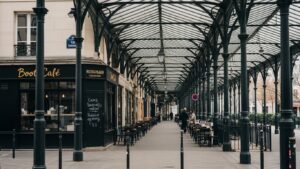
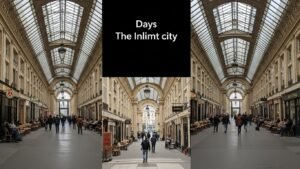
From there, we ventured into the network of Passages Couverts (Covered Passages), the 19th-century shopping arcades that are the city’s hidden veins. These glass-roofed walkways, like the Galerie Vivienne or Passage des Panoramas, are a world away from the modern bustle. They are filled with antique shops, old bookstores, and tiny, traditional restaurants. Walking through them is like stepping into a time capsule, a quiet, elegant reminder of a bygone era. It was here, surrounded by the scent of old paper and polished wood, that I truly felt the historical weight and beauty of Paris.
If you are planning a trip that involves navigating the complex public transport systems of a major European city, you might find my article on How to Save Money on European Trains Without Losing Comfort incredibly useful. It’s a guide to maximizing your time and budget while still enjoying the journey.
The afternoon took us to the Buttes-aux-Cailles neighborhood in the 13th, a village-like area perched on a hill, known for its Art Nouveau architecture and cobblestone streets. It feels completely separate from the rest of Paris, a place where the houses are small and the atmosphere is distinctly bohemian. We found a small, local boulangerie and sat in a quiet square, watching the local life unfold. It was a perfect contrast to the grandeur of the city center, a reminder that Paris is a collection of unique, intimate communities.
The Secret Streets of the 18th
Day two was dedicated to exploring the quieter side of the 18th arrondissement, away from the tourist crowds of Sacré-Cœur. We started by seeking out the Rue de l’Abreuvoir, often cited as one of the most beautiful streets in Paris, but still surprisingly peaceful in the early morning. It’s a picturesque, winding street that leads to the famous La Maison Rose café, a perfect spot for a photo, but more importantly, a place to soak in the atmosphere of old Montmartre before the crowds arrive.
Our next stop was the Cimetière de Montmartre, a beautiful, sprawling cemetery that is a quiet sanctuary in the city. It’s the final resting place of many famous artists and writers, and wandering through its tree-lined paths, admiring the elaborate tombs, is a profoundly peaceful and cultural experience. It’s a place where the city’s artistic history feels palpable, a quiet tribute to the creative souls who once walked these streets.
This focus on the cultural and the authentic is what makes a trip truly memorable. It’s about seeking out the places where the locals live and eat. If you are looking for more tips on how to find these authentic spots, you might want to read my guide on How to Choose Restaurants That Locals Really Frequent. It’s a philosophy that applies to every city, including Paris.

In the afternoon, we discovered the Square des Peupliers in the 13th arrondissement, a tiny, triangular square surrounded by small, charming houses with gardens. It’s a true hidden gem, a quiet residential enclave that feels like a secret garden in the middle of the city. It’s a place that you would never stumble upon by accident, and the reward for finding it is a moment of pure, unadulterated Parisian charm.
Our final hidden café discovery was Fragments, a minimalist, rustic spot in the Marais known for its excellent coffee and simple, delicious food. It’s a place that embodies the modern Parisian café culture: focused on quality, unpretentious, and a perfect spot for people-watching. It was the ideal place to reflect on the past 48 hours, a journey that felt less like a tourist trip and more like a brief, intimate residency.
Conclusion: The Intimate City
The two days flew by, but they were filled with the kind of moments that truly define a city. We saw the grand monuments only from a distance, choosing instead to focus on the intimate details: the reflection of the glass roofs in the covered passages, the scent of fresh bread from a local bakery, the quiet conversations in a hidden café. Paris is a city that reveals itself slowly, rewarding those who are willing to look beyond the surface. It’s a city of layers, and the most beautiful ones are often the ones that are hidden, waiting to be discovered by the curious traveler. This trip was a reminder that the best way to experience Paris is not to rush, but to simply wander, sip, and savor the quiet magic of its secret streets and hidden cafés.
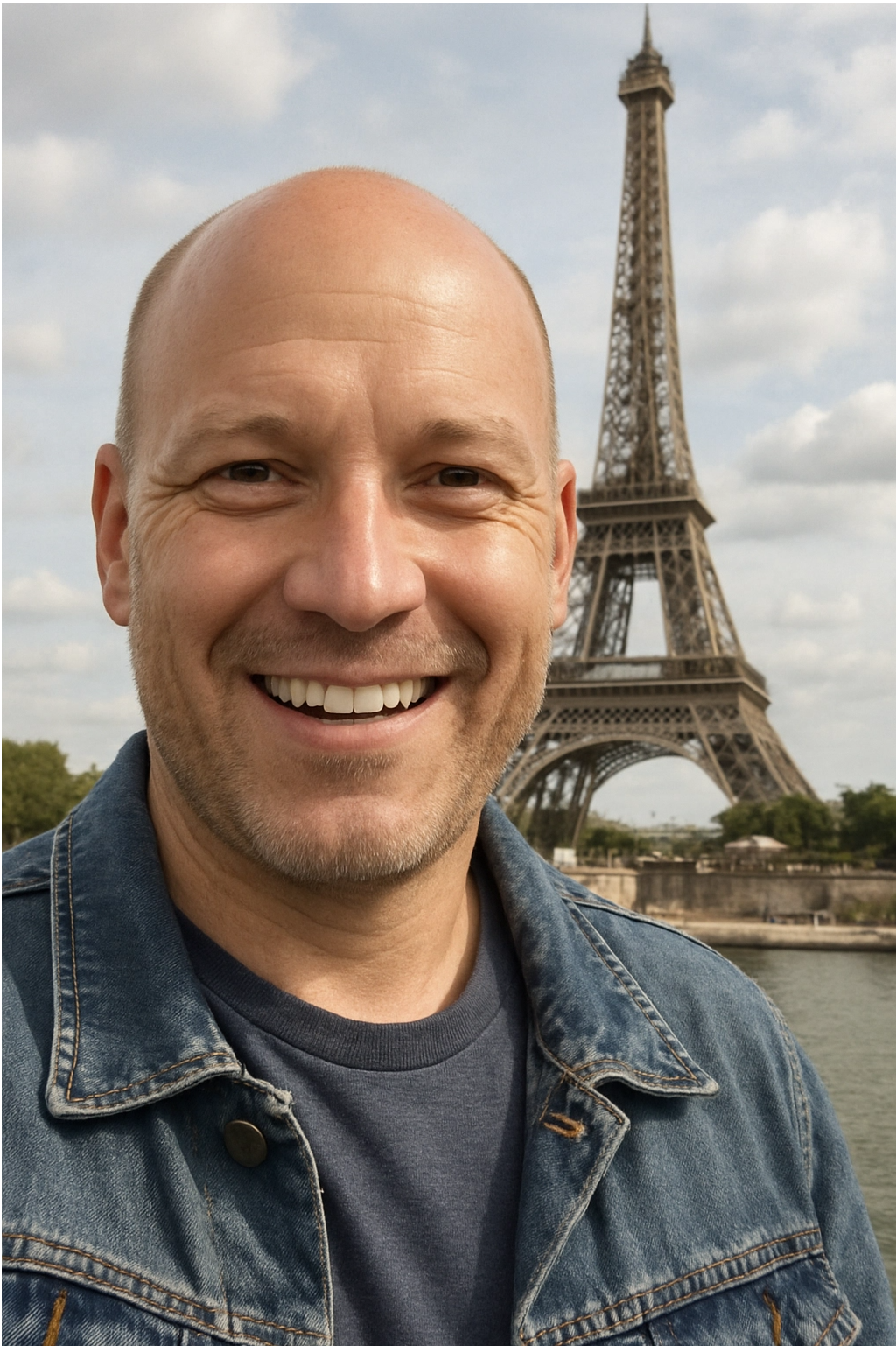
Taylor Smith is a passionate traveler since the age of 19 and currently lives in the United States. At 40 years old, Taylor loves exploring new cultures, experiencing local cuisine, and discovering authentic places around the world. He is also a dedicated writer, sharing his travel experiences and tips on this blog to help others make the most of their journeys in a thoughtful and inspiring way.