
Rome. The Eternal City. It’s a place that demands your attention, a city where history isn’t just preserved in museums, but is the very ground you walk on. Most people arrive with a frantic list: Colosseum, Vatican, Trevi Fountain. And while these monumental sights are essential, the true magic of Rome, the one that stays with you long after you’ve left, is found in the quiet, unexpected moments—the esperienze fuori dall’ordinario (experiences outside the ordinary). My own two-day trip was a mission to peel back the layers of the tourist veneer and connect with the city’s authentic, everyday soul. It was a journey that proved that even in a city as famous as Rome, the best discoveries are often the ones you have to search for, the ones that feel like a secret shared only with you.
Day One: The Culinary Heart of Testaccio
The key to unlocking Rome’s hidden heart in just 48 hours is to shift your focus from checking off landmarks to immersing yourself in neighborhoods. Day one began not at the Forum, but in the vibrant, working-class district of Testaccio. This area, built around the former slaughterhouse, is the culinary soul of Rome.
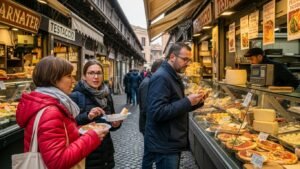
We started at the Testaccio Market, a kaleidoscope of colors, sounds, and smells. This isn’t a place for souvenirs; it’s where Romans shop. Watching the vendors banter, sampling fresh pecorino cheese, and grabbing a trapizzino (a delicious pizza pocket) from a local stall felt more authentic than any five-star meal. It was a sensory overload that immediately grounded me in the city’s real rhythm. The energy was infectious, a beautiful chaos that is uniquely Roman.
After the market, we explored the non-Catholic Cemetery, a peaceful, green oasis that feels worlds away from the city’s hustle. It’s the final resting place of poets like Keats and Shelley, a quiet corner that offers a moment of profound reflection on the city’s enduring legacy. It’s a reminder that Rome has always been a magnet for dreamers and artists, a place where different cultures and histories converge. This quiet detour was a necessary balance to the morning’s vibrant energy, a chance to breathe and appreciate the city’s more contemplative side.
If you are planning a longer trip to Italy, perhaps one that includes the stunning coastlines and the dramatic mountains, you might be interested in my article on 10 Days Through Italy That Include Beaches, Mountains, and History. It offers a broader perspective on the country’s diverse offerings.
The afternoon was dedicated to the Aventine Hill, one of the seven hills of Rome, but one that is often overlooked. We sought out the famous Keyhole of the Knights of Malta, a simple, unassuming door that offers a perfectly framed view of St. Peter’s Basilica. It’s a small, almost silly secret, but the act of queuing with a handful of locals and knowing you are about to share a hidden view makes it incredibly special. From there, we wandered through the Orange Garden (Giardino degli Aranci), which offers one of the most breathtaking panoramic views of the city at sunset. The light washing over the terracotta rooftops and ancient ruins was simply magical, a moment of pure la dolce vita.
A Culinary Deep Dive in Trastevere
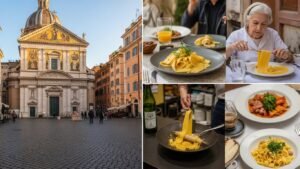
Day two was a deep dive into the heart of Roman nightlife and tradition: Trastevere. While it can be touristy, the trick is to go early and to know where to look. We started the day with a visit to the Basilica di Santa Maria in Trastevere, one of Rome’s oldest churches, with its stunning golden mosaics shimmering in the morning light. The square outside, Piazza di Santa Maria, is the perfect place for a quiet morning coffee, watching the neighborhood wake up.
The real goal in Trastevere, however, was the food. We bypassed the main squares and ventured into the narrow, ivy-covered side streets, looking for the small, family-run trattorias. This is where you find the true Roman classics: cacio e pepe, carbonara, and saltimbocca. The best meals in Rome are not about fancy presentation; they are about simple, high-quality ingredients and recipes passed down through generations. We found a tiny place where the nonna (grandmother) was still rolling the pasta by hand, and the experience was transformative.
This experience really solidified my belief that the best way to connect with a culture is through its food. If you share this passion and want to ensure you’re always eating authentically, you might want to check out my guide on How to Choose Restaurants That Locals Really Frequent. It’s a skill that pays dividends in every city you visit.
In the late afternoon, we sought out another hidden gem: the Quartiere Coppedè. Located in the Trieste district, this is an architectural fantasy, a collection of fairy-tale buildings designed by Gino Coppedè in the early 20th century. It’s a surreal, almost whimsical corner of Rome, a stark contrast to the ancient ruins, and a beautiful example of the city’s capacity for reinvention. Walking through the Piazza Mincio, with its Fountain of the Frogs, felt like stepping into a storybook. It’s a place that few tourists ever see, and it offers a fresh, surprising perspective on Roman design.
The Final Roman Sunset
Our final evening was spent back across the Tiber River, but away from the crowds. We walked along the riverbank, crossing the Ponte Sisto, a beautiful stone bridge that connects Trastevere to the more central areas. We found a small, local enoteca (wine bar) near the Campo de’ Fiori, where we sampled local Lazio wines and watched the city lights begin to twinkle. It was a moment of quiet appreciation, a chance to reflect on the whirlwind 48 hours.
We hadn’t seen everything, not by a long shot. We skipped the Vatican Museums and the long lines at the Colosseum. But what we gained was something far more valuable: a genuine connection to the city’s pulse. We experienced the warmth of the Roman people, the passion of their food, and the quiet beauty of their hidden corners. Rome is a city that rewards those who are willing to slow down, look beyond the obvious, and let its ancient, beautiful soul reveal itself in its own time.
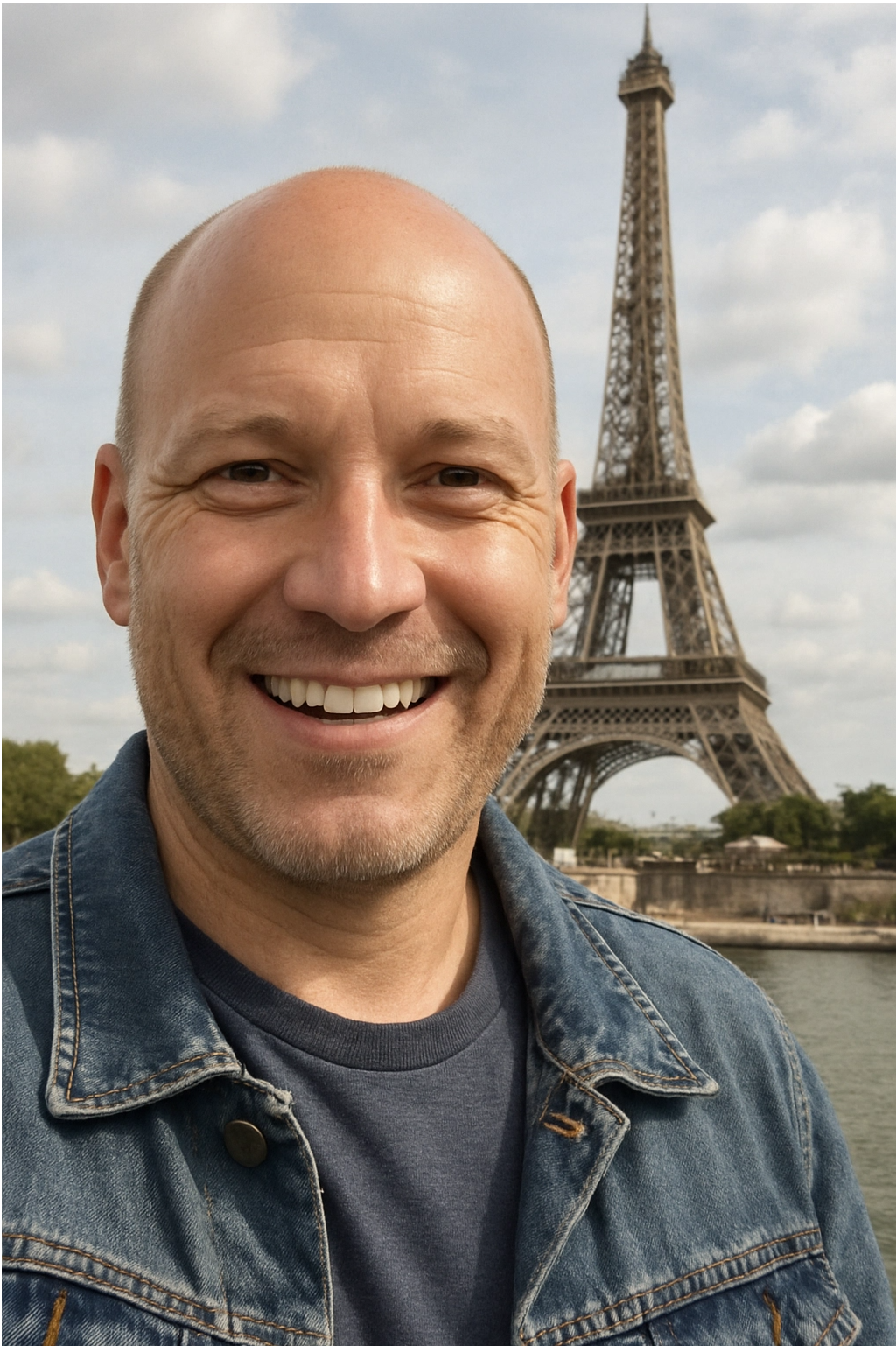
Taylor Smith is a passionate traveler since the age of 19 and currently lives in the United States. At 40 years old, Taylor loves exploring new cultures, experiencing local cuisine, and discovering authentic places around the world. He is also a dedicated writer, sharing his travel experiences and tips on this blog to help others make the most of their journeys in a thoughtful and inspiring way.