
When you think of Swiss food, two things immediately spring to mind: Fondue and Raclette. And rightly so. There is a primal, communal joy in dipping bread into a pot of molten cheese or scraping a bubbling layer of melted cheese onto a plate of potatoes and pickles. These dishes are the culinary ambassadors of Switzerland, the ones that define the cozy, winter-cabin experience. But to limit your Swiss culinary journey to just these two cheesy delights is like visiting the Alps and only looking at the foothills. The true, hearty, and deeply regional flavors of Switzerland lie in the dishes that fuel the farmers, the hikers, and the locals who live their lives far above the tourist-trodden paths.
My own discovery of the “other” Swiss cuisine began in a small, almost ridiculously picturesque village in the Engadin valley. I had just finished a grueling, but breathtaking, hike and was utterly exhausted. I stumbled into a small, dark-wood *Gasthaus* (inn) where the air was thick with the smell of woodsmoke and something savory and deeply comforting. I was ready for a simple bowl of soup, but the menu, written in Romansh and German, offered something called Älplermagronen.
I asked the waitress, a woman with cheeks as rosy as the apples on the table, what it was. She smiled and explained it was “Alpine Macaroni.” I was skeptical. Macaroni and cheese in the Alps? But when the bowl arrived, it was a revelation. It was a hearty mix of macaroni, diced potatoes, melted cheese (often Gruyère and Emmentaler), and cream, all topped with a generous pile of crispy, caramelized onions. It was a complete meal in a single bowl, a dish born of necessity in the high pastures, using simple, shelf-stable ingredients. It was the perfect fuel for a tired body, a taste of the true, unpretentious soul of the Swiss Alps.
That bowl of Älplermagronen was my first lesson: Swiss food is not just about luxury; it is about sustenance, tradition, and the ingenious use of local ingredients. It is a cuisine that tells the story of a rugged, beautiful land and the resilient people who call home.
The Unofficial National Dish: The Versatile Rösti
If Fondue is the ceremonial dish of Switzerland, then **Rösti** is the everyday hero. Often mistaken for a simple hash brown, Rösti is far more complex and culturally significant. It originated as a peasant breakfast in the canton of Bern, but it has since spread across the country, evolving into a side dish, a main course, and a canvas for regional variations.
At its core, Rösti is grated, parboiled, or raw potato, pan-fried in butter or fat until it forms a golden-brown, crispy pancake. The magic is in the crust—it must be perfectly crisp on the outside, while the inside remains soft and tender. The variations are endless: you can find Rösti topped with fried eggs, bacon, cheese, or even a dollop of sour cream and smoked salmon.
The beauty of Rösti is its simplicity and its ability to adapt. In the German-speaking parts of Switzerland, it is a staple. In the French-speaking regions, it is less common, but still appreciated. It is a culinary dividing line, a symbol of the country’s linguistic and cultural diversity. It is a dish that demands a certain level of respect for the potato, an ingredient that has sustained the Alpine communities for centuries.

If you are planning a trip that involves traversing the stunning Swiss landscape, you might find my article on **How I Planned a Train Route That Goes Through the Alps** helpful. It offers tips on how to navigate the mountains and find the most authentic experiences, which often go hand-in-hand with the best local food.
The Heart of the City: Zürcher Geschnetzeltes
Moving from the high mountain pastures to the bustling city of Zurich, you encounter a dish that is the epitome of Swiss urban elegance: **Zürcher Geschnetzeltes** (Zurich-style sliced meat). This is a dish that proves Swiss cuisine is not just about cheese and potatoes; it is also about refined, comforting flavors.
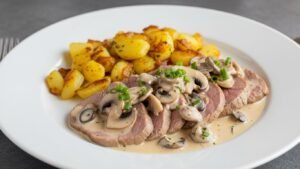
Zürcher Geschnetzeltes is traditionally made with thinly sliced veal, sautéed quickly and served in a creamy, white wine sauce, often flavored with mushrooms and a hint of lemon. It is almost always served with Rösti, creating a perfect pairing of textures and flavors—the crispness of the potato against the tender veal and the rich, velvety sauce.
This dish is a reflection of the more cosmopolitan side of Switzerland, a country that is a hub of international finance and culture. It is a dish that is served in the finest restaurants, but it is also a staple of home cooking. It is a reminder that Swiss cuisine, like the country itself, is a blend of the rustic and the refined, the simple and the sophisticated.
The experience of eating Zürcher Geschnetzeltes in a traditional Zurich *restaurant* is a cultural immersion. It is about the quiet efficiency of the service, the quality of the ingredients, and the sense of history that permeates the dining room. It is a moment to appreciate the Swiss commitment to quality in every aspect of life.
The Sweet and Savory Regional Gems
To truly appreciate the depth of Swiss cuisine, you must explore the regional specialties that are often overlooked by visitors. These dishes are the hidden gems, the ones that tell the most personal stories of the country’s diverse cantons.
In the Italian-speaking canton of Ticino, you will find **Polenta**, a dish of boiled cornmeal that is a staple of Northern Italian cuisine. In Switzerland, it is often served with a rich, slow-cooked stew, or topped with a generous amount of local cheese. It is a dish that speaks of the region’s close ties to Italy and its Mediterranean influences.
In the French-speaking regions, you will find **Papet Vaudois**, a hearty dish of leeks and potatoes simmered together until they form a creamy mash, often served with a smoked sausage called *Saucisse aux choux*. It is a dish of the Vaud canton, a testament to the region’s agricultural heritage and its love for simple, robust flavors.
And for a sweet treat, look for **Bündner Nusstorte**, a delicious nut tart from the canton of Graubünden. It is a shortcrust pastry filled with caramelized walnuts, cream, and honey. It is a rich, decadent dessert that is often served with coffee or as a gift. It is a taste of the high mountain valleys, a perfect blend of the sweet and the nutty.
If you are trying to find the best places to sample these authentic regional dishes, you might find my article on **How to Choose Restaurants That Locals Really Frequent** useful. It offers practical advice on how to spot the tourist traps and find the true local culinary havens.
The Cultural Cornerstone: Swiss Cheese and Chocolate
While we are moving beyond Fondue, we cannot ignore the cultural significance of Swiss cheese and chocolate. They are not just food items; they are institutions.
Swiss cheese is a world unto itself. Beyond the famous Emmentaler and Gruyère, you must seek out the **Sbrinz**, a hard, extra-dry cheese that is often shaved into thin curls and eaten with a glass of wine. Or the **Tête de Moine**, a semi-hard cheese that is traditionally shaved into delicate rosettes using a special tool called a *girolle*. These cheeses are a testament to the Swiss commitment to quality, craftsmanship, and tradition.
And then there is **Birchermüesli**, the famous breakfast dish. Created around 1900 by Swiss physician Maximilian Bircher-Benner, it was originally a health food prescribed to his patients. It is a simple mix of rolled oats, fruit, nuts, and condensed milk or cream. It is a dish that is both simple and revolutionary, a perfect example of the Swiss blend of practicality and innovation.
Conclusion: The Taste of the Swiss Soul
To eat in Switzerland beyond Fondue is to discover a cuisine that is as diverse and complex as the country itself. It is a journey from the high Alpine pastures, where simple ingredients are transformed into hearty, comforting meals, to the cosmopolitan cities, where regional specialties are elevated to an art form.
It is about the quiet satisfaction of a bowl of Älplermagronen after a long hike, the perfect crispness of a Rösti, and the rich, creamy elegance of Zürcher Geschnetzeltes. It is a cuisine that speaks of tradition, quality, and a deep respect for the land. So, next time you find yourself in Switzerland, embrace the cheese, but then venture out. Seek the hidden flavors, and you will find the true, delicious soul of the Alps.

Taylor Smith is a passionate traveler since the age of 19 and currently lives in the United States. At 40 years old, Taylor loves exploring new cultures, experiencing local cuisine, and discovering authentic places around the world. He is also a dedicated writer, sharing his travel experiences and tips on this blog to help others make the most of their journeys in a thoughtful and inspiring way.