
Planning my first trip without any external help was one of the most challenging and rewarding experiences I’ve had. Until that moment, travel always felt simple because someone else handled the details. This time, I was responsible for every decision, from choosing the destination to organizing documents and packing my bags.
This article shares what I learned during that process. If you’re preparing to plan your first trip independently, these insights can help you avoid common mistakes and feel more confident from the very beginning.
The Beginning: Feeling Lost Before the First Step
At the start, the excitement of traveling was mixed with anxiety. I had dozens of questions and no clear answers. Where should I go? How much money would I need? How long should the trip be? Trying to solve everything at once quickly became overwhelming.
The biggest lesson at this stage was understanding that planning doesn’t require having all the answers immediately. It requires taking one clear step at a time.
Breaking the Planning Process Into Simple Decisions
Instead of treating the trip as one massive project, I broke it down into smaller tasks. First, I focused only on choosing a destination. Once that was decided, I moved on to budgeting, then transportation, and later accommodation.
This approach reduced stress and helped me make better decisions without feeling rushed or confused.
Choosing a Destination That Matched My Reality
Choosing where to go was harder than expected. Social media made every place look perfect, but I quickly realized that not every destination fits every budget or travel style.
Aligning Time, Budget, and Expectations
I considered how many days off I had, how much money I could realistically spend, and what type of experience I wanted. Instead of trying to do everything, I focused on what mattered most: a walkable city, local culture, and opportunities to relax.
By being honest about my limitations, I avoided unrealistic plans and disappointment later.
Using Research Without Getting Overwhelmed
I read travel blogs, watched videos, and checked forums, but I set limits. Too much research can cause confusion. I learned to stop researching once I had enough information to make a confident choice.
This helped me move forward instead of staying stuck in endless comparisons.
Creating a Budget That Actually Worked
Budgeting was one of the most important parts of planning. Without a clear budget, even a short trip can become stressful.
Listing All Expected Expenses
I created a simple spreadsheet listing flights, accommodation, food, transportation, activities, and daily expenses. Seeing everything written down made the trip feel more realistic.
I also included costs people often forget, such as airport transportation, travel insurance, and small purchases.
Leaving Room for the Unexpected
One crucial decision was adding an emergency buffer. This extra amount allowed me to handle small surprises without panic. Knowing I had a margin made the entire trip feel safer and more enjoyable.
Booking Flights With Patience and Flexibility
Booking flights felt intimidating at first, but patience made a big difference.
Comparing Prices and Dates
I used multiple comparison websites and checked prices at different times of the day. I also experimented with adjusting travel dates by one or two days, which sometimes resulted in significant savings.
This process taught me that flexibility is one of the most powerful tools when planning travel.
Understanding When to Book
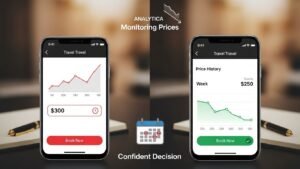
Instead of booking immediately, I monitored prices for a short period. This gave me confidence that I was making a reasonable decision rather than an impulsive one.
Choosing Accommodation That Supported My Trip
Accommodation plays a major role in how a trip feels. I wanted comfort, safety, and a good location.
Comparing Different Types of Stays
I considered hotels, hostels, and vacation rentals. Reading reviews carefully helped me understand what past guests experienced, both positive and negative.
Location was my top priority. Staying close to public transportation saved time and energy every day.
Why I Chose a Small Apartment
In the end, I chose a small apartment rental. It gave me flexibility, privacy, and a sense of living like a local rather than just passing through.
Planning an Itinerary Without Overloading My Days
One mistake first-time travelers often make is trying to do too much. I wanted to avoid that.
Focusing on Experiences, Not Checklists
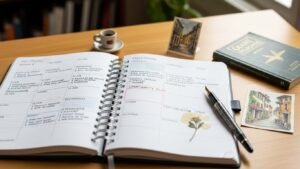
Instead of listing dozens of attractions, I chose a few meaningful experiences each day. Museums, markets, scenic walks, and local food became my main focus.
This approach made each day enjoyable rather than exhausting.
Leaving Space for Spontaneity
I intentionally left free time in my schedule. Some of my favorite moments came from unplanned discoveries, like small cafés or quiet streets.
Packing With Purpose and Simplicity
Packing was easier once I stopped trying to prepare for every possible situation.
Choosing Versatile Items
I packed clothes that could be mixed and matched and focused on comfort. Good walking shoes were more valuable than extra outfits.
Traveling lighter made moving around much easier.
Preparing Documents and Essentials
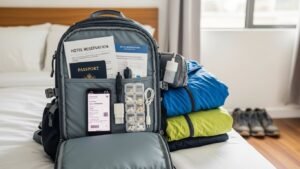
I checked my passport validity, saved digital copies of important documents, and printed confirmations. I also packed basic medications and travel adapters.
The Trip Itself: Seeing the Results of Planning
When the trip finally began, I noticed how much smoother everything felt. Planning didn’t remove all challenges, but it made them easier to handle.
Gaining Confidence Through Independence
Solving small problems on my own increased my confidence. Each decision reinforced the idea that I was capable of handling unfamiliar situations.
This sense of independence became one of the most valuable outcomes of the trip.
Understanding the Balance Between Planning and Flexibility
Planning gave me structure, but flexibility gave me freedom. The combination allowed me to enjoy the journey without stress.
Final Reflections and Advice for First-Time Planners
Planning my first trip alone taught me that travel is more than moving between places. It’s about preparation, adaptability, and personal growth.
If you are planning your first trip, start with realistic expectations, stay organized, and don’t be afraid to make decisions. Every step you take builds confidence and turns the journey into a meaningful experience.
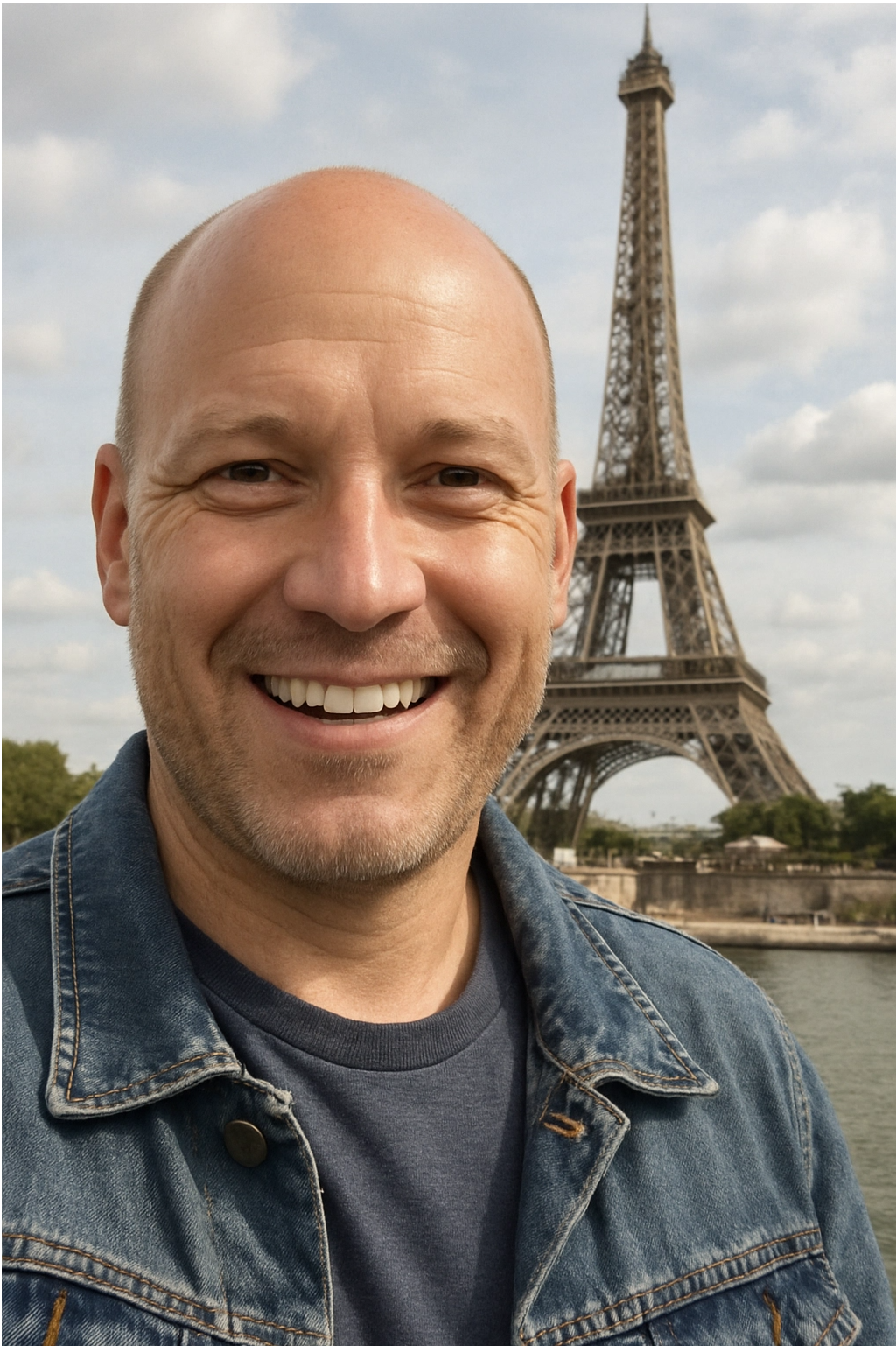
Taylor Smith is a passionate traveler since the age of 19 and currently lives in the United States. At 40 years old, Taylor loves exploring new cultures, experiencing local cuisine, and discovering authentic places around the world. He is also a dedicated writer, sharing his travel experiences and tips on this blog to help others make the most of their journeys in a thoughtful and inspiring way.