
Travel guides often focus on what to do right: the best routes, the smartest bookings, the ideal schedules. But rarely do they talk about mistakes — the quiet missteps that don’t make headlines yet quietly shape how we travel. This article is about one of those moments. A simple error, easy to make and easier to regret, that unexpectedly became one of the most valuable lessons I’ve ever learned on the road.
This is not a story about danger or disaster. It’s a story about perspective, adaptability, and how travel has a way of teaching us lessons we didn’t know we needed.

The Plan That Looked Perfect on Paper
Like many travelers, I believed preparation was the key to a successful trip. Before leaving, I built a detailed itinerary: transportation times, neighborhoods, daily goals, and backup options. Every hour had a purpose. Every location had been researched. The plan felt efficient, logical, and safe.
The mistake didn’t come from a lack of planning — it came from trusting the plan too much.
On the third day of the trip, I decided to combine several activities into a single morning. The distances looked reasonable on a map. The timing appeared manageable. Confident in my preparation, I skipped one crucial step: verifying real-world conditions. Local transit delays, street closures, and the natural unpredictability of a city were all ignored in favor of what looked good on screen.
By mid-morning, the schedule had collapsed.
The Moment Everything Started to Go Wrong
The first delay seemed harmless. A late train. Then a longer-than-expected walk. Soon, small setbacks began stacking on top of each other. I found myself checking the time repeatedly, calculating losses instead of enjoying the moment.
What should have been a relaxed visit turned into a rushed experience. I stopped noticing details. I stopped taking photos. My focus shifted entirely to “catching up” with the plan.
That was the real mistake.
Travel becomes stressful when we try to force reality to match expectations. In that moment, I wasn’t experiencing the destination — I was negotiating with time.

Choosing Between Control and Experience
Eventually, the plan became impossible to recover. One missed connection erased the rest of the schedule. Standing in a crowded station, I faced a choice: rush through the rest of the day trying to salvage what was left, or let go completely.
Letting go felt irresponsible. But holding on felt exhausting.
I chose to stop.
Instead of heading to the next planned attraction, I walked outside without direction. I found a quiet street, sat on a bench, and watched the city move without me. That pause, unplanned and unproductive by itinerary standards, became the turning point of the trip.
The City Beyond the Checklist
Once the pressure lifted, the city felt different. Sounds became clearer. Movements slower. I noticed patterns in daily life — people heading to lunch, shop owners arranging displays, conversations happening without awareness of tourists or schedules.
I wandered into a neighborhood that wasn’t on my list. There were no famous landmarks, no crowds, no urgency. Just everyday life unfolding naturally.
This is where travel changes shape. When there’s nothing left to “complete,” curiosity takes over.
What the Mistake Revealed
That day taught me something guidebooks never mention: mistakes reveal how we actually travel, not how we imagine we do.
When everything goes according to plan, we follow instructions. When something breaks, we rely on instincts. We adapt, observe, and engage more honestly with our surroundings.
The mistake stripped the trip of performance. I stopped trying to “do it right” and started being present.
Turning a Bad Day Into a Meaningful One
By the end of the afternoon, I hadn’t checked off half the locations on my list. Yet I had experienced something far more valuable: a genuine connection to place.
I talked to locals without an agenda. I ate where people actually ate. I stayed longer in one spot instead of rushing through five. The photos I took that day weren’t iconic, but they were personal. They told a story — my story.
That evening, instead of reviewing what I missed, I wrote down what I learned.
The Practical Lessons This Mistake Taught Me
Over time, that experience reshaped how I approach travel. The lessons were simple but powerful:
Plans should guide, not control.
Flexibility is a skill, not a failure.
Time lost on paper can be time gained in experience.
Presence matters more than productivity.
The best moments often happen off-schedule.
These principles now inform every trip I take.
Why Mistakes Are Essential to Better Travel
Mistakes force us to engage with reality. They interrupt routines and expectations, creating space for awareness. In travel, that awareness is everything.
Without mistakes, trips become transactional. We arrive, consume, document, and leave. With mistakes, travel becomes relational. We interact, adjust, and remember.
The story doesn’t come from what went right — it comes from what changed us.
How to Travel Smarter Without Traveling Rigidly
This doesn’t mean abandoning planning altogether. Preparation still matters. But the goal should be resilience, not perfection.
Here are a few strategies I now follow:
Build buffer time into every day.
Limit major goals to one or two per day.
Accept that not everything will happen.
Leave space for wandering.
Treat delays as redirections, not losses.
These habits don’t eliminate mistakes — they make them manageable and meaningful.
Why This Story Still Matters
Years later, I don’t remember most of the places I rushed through on earlier trips. But I remember that day clearly — not because it went wrong, but because it forced me to change how I see travel.
The mistake became a reference point. A reminder that travel is not about control, efficiency, or completion. It’s about awareness, openness, and growth.
The Real Takeaway
Every traveler will make mistakes. Missed connections. Wrong turns. Bad timing. The difference is not in avoiding them, but in responding to them.
That single error didn’t ruin the trip. It gave it depth. It turned a forgettable day into a lasting story.
And that’s the quiet truth about travel: sometimes the moment that feels like a failure is the one that stays with you the longest — because it taught you how to travel better, not just farther.
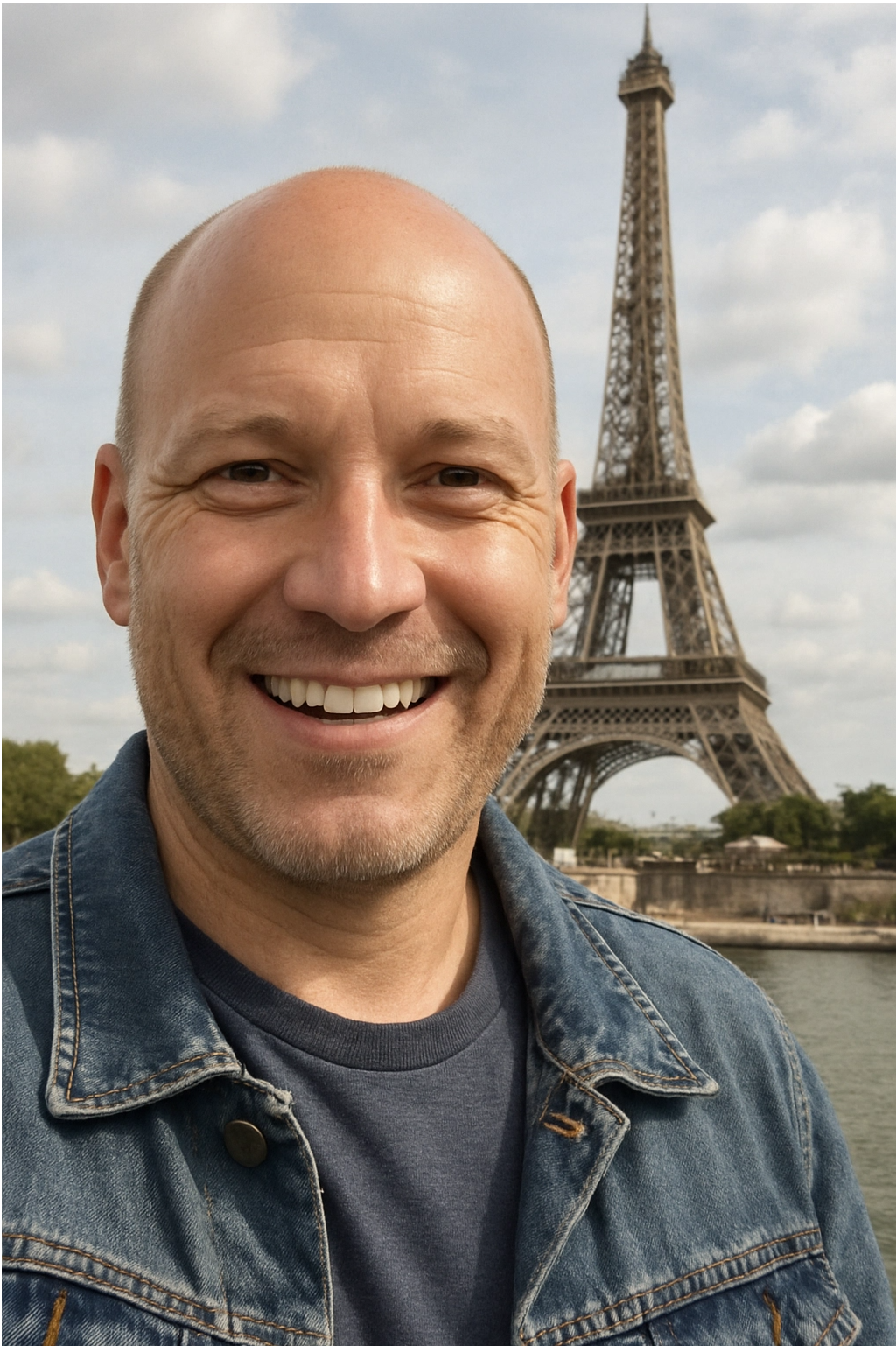
Taylor Smith is a passionate traveler since the age of 19 and currently lives in the United States. At 40 years old, Taylor loves exploring new cultures, experiencing local cuisine, and discovering authentic places around the world. He is also a dedicated writer, sharing his travel experiences and tips on this blog to help others make the most of their journeys in a thoughtful and inspiring way.