
Rome is one of those cities that seems immune to seasons. No matter the time of year, it carries the weight of history, culture, and imagination. Yet when summer arrives, the question inevitably arises among travelers: Is it really worth visiting Rome in the summer? With soaring temperatures, dense crowds, and long lines, the idea can feel both exciting and intimidating.
This article offers an honest, balanced, and experience-based answer. Not a promotional fantasy, and not a warning disguised as advice — but a practical guide shaped by observation, planning, and reality. Visiting Rome in the summer can be challenging, rewarding, exhausting, and unforgettable — sometimes all in the same day.
Understanding Rome’s Summer Climate
To decide whether summer is the right time to visit Rome, it’s essential to understand what summer actually feels like in the city. From June through August, temperatures frequently range between 85°F and 95°F (29°C to 35°C), with occasional heatwaves pushing even higher. Humidity can intensify the sensation, especially in July and August.
Unlike some modern cities, Rome was not designed with heat mitigation in mind. Narrow streets offer shade, but public transportation, open plazas, and archaeological sites often expose visitors to direct sunlight for extended periods. Air conditioning exists, but it is not always guaranteed in older buildings, small restaurants, or budget accommodations.
However, the heat also shapes the rhythm of the city. Locals adapt their schedules, and travelers who do the same often find the experience far more manageable.
The Reality of Crowds During Peak Season
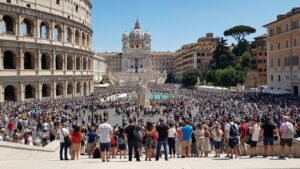
Summer is peak tourist season in Rome. Families travel during school breaks, European vacations peak in August, and Rome remains a bucket-list destination year-round. Major landmarks such as the Colosseum, Vatican Museums, Trevi Fountain, and Spanish Steps attract thousands of visitors daily.
Crowds can feel overwhelming, especially during midday hours. Lines are longer, public spaces feel compressed, and popular photo spots rarely appear empty. This reality frustrates travelers who expect quiet reflection or spontaneous exploration at major attractions.
Yet crowds do not define the entire city. Rome is vast, layered, and filled with neighborhoods that remain relatively calm even in summer. The key lies in strategic planning and realistic expectations.
The Advantages of Visiting Rome in Summer
Despite the challenges, summer offers advantages that other seasons simply cannot replicate.
First, daylight hours are long. The sun sets late, allowing for extended evenings of exploration. Walking through historic neighborhoods after dinner, when temperatures soften and the city glows under warm light, is one of Rome’s most magical experiences.
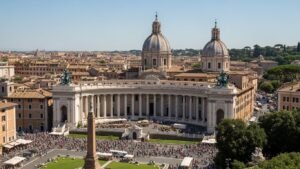
Second, summer brings life outdoors. Piazzas fill with conversation, fountains become gathering points, and street musicians perform late into the night. Rome feels alive, social, and expressive in ways that quieter seasons cannot fully capture.
Third, many cultural events take place in summer. Open-air concerts, festivals, and evening museum hours offer unique opportunities to experience Rome beyond its monuments.
The Disadvantages Travelers Must Consider
Summer in Rome is not for everyone. Heat fatigue is real, especially for travelers unaccustomed to high temperatures. Walking long distances over cobblestones while sightseeing can be physically demanding.
Crowds also affect pacing. Without skip-the-line tickets or advance planning, travelers may spend valuable time waiting rather than experiencing. Additionally, August presents a specific challenge: many local businesses close or operate on reduced schedules as residents leave the city for vacation.
Costs may also rise during peak season. Flights, accommodations, and guided tours tend to be more expensive compared to spring or fall.
These drawbacks do not make summer travel impossible — but they do require preparation.
How to Plan Smartly for a Summer Visit
Planning determines whether a summer trip to Rome feels overwhelming or rewarding. Successful summer travelers adjust both expectations and schedules.
Start early. Visiting major attractions in the morning, ideally right when they open, significantly reduces heat exposure and crowd density. Late afternoons can also work, especially for outdoor landmarks.
Midday is best reserved for rest. A long lunch, museum visit with air conditioning, or return to accommodation can preserve energy and prevent burnout.
Advance bookings are essential. Timed-entry tickets, guided tours, and museum passes reduce waiting times and improve overall experience.
Choosing the Right Neighborhood to Stay
Accommodation location matters more in summer than in cooler seasons. Staying near major attractions may seem convenient, but it often means higher prices and heavier foot traffic.
Neighborhoods such as Trastevere, Monti, Testaccio, and Prati offer a more local feel, better dining options, and quieter evenings. Access to public transportation or walkable routes can significantly reduce stress.
Air conditioning should be considered non-negotiable. Even if nights cool slightly, sleeping without climate control can affect energy levels the next day.

Eating and Drinking in the Roman Summer
Food culture adapts to the heat. Heavy meals give way to lighter options, fresh ingredients, and slower dining. Summer is the perfect time to explore Roman markets, seasonal fruits, cold pasta dishes, and seafood.
Hydration is critical. Water fountains, known as nasoni, are scattered throughout the city and provide clean, drinkable water. Carrying a refillable bottle is both practical and environmentally responsible.
Gelato is not just a treat — it’s a coping strategy. A mid-afternoon gelato break provides relief, energy, and a moment to slow down.
Visiting Major Attractions in the Heat
Rome’s most famous sites are mostly outdoors, which presents challenges in summer. The Colosseum, Roman Forum, and Palatine Hill involve extensive walking under direct sun.
Protective measures matter: hats, sunscreen, breathable clothing, and comfortable footwear are essential. Guided tours can help by offering structured pacing and shaded explanations.
Indoor attractions, such as museums and churches, provide both cultural depth and physical relief. Rome’s churches, often overlooked, are architectural masterpieces and naturally cool.
Is Rome in August a Bad Idea?
August has a reputation for being difficult — and not without reason. The heat peaks, crowds remain high, and many local businesses close for Ferragosto, a traditional Italian holiday.
However, Rome does not shut down completely. Tourist infrastructure continues operating, major attractions remain open, and events still occur. The city feels different — quieter in residential areas, busier at landmarks.
Travelers who understand this rhythm and plan accordingly can still enjoy August visits, especially if they value evenings, slower days, and flexibility.
Who Should Visit Rome in Summer?
Rome in summer is best suited for travelers who:
Are comfortable with warm climates
Enjoy vibrant, energetic cities
Can adapt plans based on conditions
Appreciate evening exploration
Are prepared to plan ahead
Those who prefer cool temperatures, minimal crowds, or spontaneous sightseeing may find spring or fall more suitable.
Is It Worth It in the End?
So, is it worth visiting Rome in the summer? The answer depends less on the season and more on the traveler.
Rome does not become less historic, less beautiful, or less meaningful because of the heat. What changes is how the city must be experienced. Summer demands patience, flexibility, and awareness. In return, it offers warmth not just in temperature, but in atmosphere, connection, and energy.
For many travelers, summer in Rome becomes a vivid memory — intense, layered, and deeply human. It may not be easy, but it is real.
The Final Perspective
Rome in the summer is not about perfection. It’s about rhythm. Early mornings, slow afternoons, long evenings. Shade and sunlight. Silence and crowds. History and daily life overlapping in every street.
If approached thoughtfully, visiting Rome in the summer is not only worth it — it can be one of the most immersive ways to understand the city as it truly lives and breathes.

Taylor Smith is a passionate traveler since the age of 19 and currently lives in the United States. At 40 years old, Taylor loves exploring new cultures, experiencing local cuisine, and discovering authentic places around the world. He is also a dedicated writer, sharing his travel experiences and tips on this blog to help others make the most of their journeys in a thoughtful and inspiring way.