
Switzerland is synonymous with snow-capped peaks, pristine alpine landscapes, and winter sports that attract travelers from all over the world. For many, seeing the Swiss Alps covered in fresh snow is a lifelong dream, whether it’s to ski down world-class slopes, capture stunning photographs, or simply experience the tranquility of a winter wonderland. However, deciding the best time to see snow in Switzerland involves more than just checking the calendar. Weather patterns, altitude, local events, and even crowd levels play a role in shaping the perfect snowy experience.
This comprehensive guide will help you understand when and where to go to maximize your chances of witnessing Switzerland’s iconic winter landscapes, while also offering practical tips for travel planning, photography, and local experiences.
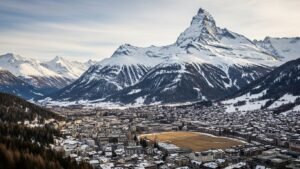
Understanding Switzerland’s Winter Climate
Switzerland’s climate is highly influenced by its mountainous terrain. While lowland areas experience milder winters, the alpine regions often see snow accumulation beginning in late November and lasting until April or even May at higher altitudes. Understanding these patterns is crucial for planning a trip centered around snow.
The Swiss Alps can vary dramatically in snowfall from region to region. For example:
-
Zermatt and St. Moritz: High-altitude resorts with reliable snow from December through April.
-
Jungfrau Region: Offers snow on peaks almost year-round, though valley areas may see less accumulation in early winter.
-
Engadine Valley: Famous for both winter sports and snow reliability.
Temperature fluctuations also matter. Even if snow has fallen, warmer temperatures during the day can cause melting in the valleys. Travelers seeking picturesque snowy landscapes should target mid-December to March, when the snow cover is consistent and the alpine scenery truly comes alive.
Early Winter: November and Early December
Visiting Switzerland in November or early December can be a gamble if your primary goal is snow. At this time, low-altitude areas such as Lucerne or Zurich may not yet be covered in snow. However, high-altitude regions often already have a blanket of snow, especially ski resorts like Zermatt or Davos.
Advantages of visiting early winter:
-
Fewer crowds: Major resorts are not yet at peak capacity.
-
Lower prices: Hotels, flights, and ski passes are generally cheaper.
-
Winter preparation: Resorts are quieter, allowing for an authentic experience before the tourist season peaks.
Drawbacks:
-
Inconsistent snow at lower elevations: You may find brown patches in valleys or towns at moderate altitudes.
-
Limited seasonal events: Christmas markets may not be fully set up yet.
For photographers and travelers who prioritize high-altitude landscapes and solitude, early winter can be ideal. However, those seeking guaranteed snow in towns and valleys should wait until mid-December.
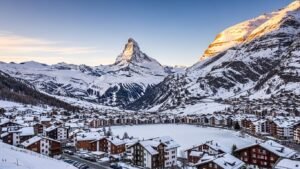
Mid-Winter: December to February
Mid-winter is widely regarded as the best period to see snow in Switzerland. Snowfall is frequent, the landscape is fully transformed into a winter wonderland, and skiing conditions are at their peak. Resorts such as St. Moritz, Verbier, Zermatt, and the Jungfrau region are at their most picturesque.
Reasons mid-winter is ideal:
-
Reliable snow cover: Both valleys and mountains are likely to be snow-covered.
-
Winter activities: Skiing, snowboarding, snowshoeing, and sledging are fully available.
-
Festive atmosphere: Christmas and New Year celebrations add charm to towns and villages.
Practical considerations:
-
Crowds and prices: Peak season brings more visitors and higher costs, especially around Christmas and New Year.
-
Advance booking required: Hotels, ski passes, and transport tickets should be booked months in advance.
-
Weather extremes: Temperatures can drop significantly, so proper clothing and gear are essential.
For photographers, mid-winter offers a perfect balance between natural light, snow cover, and atmosphere. Early mornings often reveal untouched snow, fog in the valleys, and soft golden light over alpine peaks. Late afternoons provide colorful sunsets reflected on snow-covered slopes, ideal for dramatic landscape shots.
Late Winter and Early Spring: March to April
Late winter and early spring in Switzerland bring slightly warmer temperatures while retaining snow at higher elevations. Ski resorts often remain open through March, and some high-altitude areas maintain excellent snow conditions until May.
Advantages of visiting during this period:
-
Warmer temperatures: More comfortable for sightseeing and outdoor activities.
-
Longer daylight hours: More time to explore and photograph.
-
Fewer crowds than peak season: Mid-March sees less tourist congestion.
Considerations:
-
Variable snow conditions at lower altitudes: Snow may melt in towns, limiting the classic “snowy village” aesthetic.
-
Spring festivals and events: Some areas begin transitioning to spring-themed activities, which can enhance cultural experiences.
For photography and travel, late winter provides a mix of snow reliability and more moderate temperatures, allowing for both skiing and sightseeing. This period is particularly attractive for travelers who want to avoid the busiest weeks of the year but still experience authentic alpine snow.
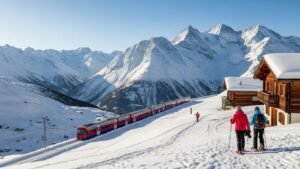
Where to Find Snow Year-Round
While Switzerland’s valleys may experience seasonal fluctuations, high-altitude locations offer snow almost year-round. Popular destinations include:
-
Zermatt: At over 3,800 meters, the Matterhorn Glacier Paradise guarantees snow and skiing even in summer months.
-
Jungfraujoch: Known as the “Top of Europe,” this area offers snowy landscapes year-round.
-
Saas-Fee: High-altitude slopes and glaciers make it ideal for winter sports anytime.
These locations are perfect for travelers whose schedules do not align with mid-winter, or for photographers seeking snow without the crowds and weather extremes of December through February.
Activities Beyond Skiing
Snowy Switzerland is not just for winter sports. Travelers can enjoy:
-
Snowshoe hiking: Explore quiet alpine trails away from resort crowds.
-
Scenic train rides: The Glacier Express and Bernina Express offer breathtaking views of snow-covered peaks.
-
Cultural experiences: Winter markets, traditional Swiss cuisine, and cozy alpine lodges create a memorable atmosphere.
-
Photography excursions: Sunrise and sunset over snowy landscapes offer incredible photo opportunities.
Practical Travel Tips
-
Check weather and snow reports: Sites like Swiss-Ski or local resort websites provide daily updates.
-
Pack appropriate clothing: Layers, waterproof jackets, insulated boots, gloves, and thermal wear are essential.
-
Book early: Especially for mid-winter, reserve accommodation, ski passes, and transport in advance.
-
Use public transport: Switzerland’s trains and buses are reliable and efficient, often offering scenic views en route to ski resorts.
-
Plan for daylight: Short winter days mean less time for exploration; prioritize morning and early afternoon activities.
Conclusion: Timing Your Snow Experience
The best time to see snow in Switzerland depends on your priorities:
-
Guaranteed snow and winter activities: Mid-December to February.
-
Moderate temperatures and fewer crowds: Late February to March.
-
High-altitude snow any time: Zermatt, Jungfraujoch, Saas-Fee.
-
Early snow in remote regions: November to early December.
Ultimately, Switzerland’s alpine landscapes are stunning in every season, but timing your visit around snow ensures the iconic winter wonderland experience that travelers dream of. Whether for skiing, photography, or simply soaking in the breathtaking scenery, careful planning will allow you to experience Switzerland at its most magical — snow-capped peaks, sparkling valleys, and cozy villages all waiting to be explored.

Taylor Smith is a passionate traveler since the age of 19 and currently lives in the United States. At 40 years old, Taylor loves exploring new cultures, experiencing local cuisine, and discovering authentic places around the world. He is also a dedicated writer, sharing his travel experiences and tips on this blog to help others make the most of their journeys in a thoughtful and inspiring way.