
Traveling has always been a source of excitement for me, but before my last big trip, I experienced an unexpected wave of fear and anxiety. The departure date was approaching, and despite meticulous planning, I found myself grappling with “what if” questions and a sense of uncertainty. It was a mixture of nervous anticipation and genuine worry—fear of the unknown that I had never encountered so intensely before. Over the years, I’ve learned how to manage these emotions, and in this article, I’ll share my process, so you can approach your next trip with confidence and courage.
Recognizing the Fear Before It Takes Over
Fear often arrives subtly, almost unnoticed, until it grows into something that can feel overwhelming. For me, it started as small doubts: “What if I get lost?” “What if something goes wrong?” “What if I’m unprepared for cultural differences or logistical challenges?” Left unchecked, these thoughts can snowball, turning excitement into stress.
Identifying Specific Concerns
The first step in confronting fear was writing down every concern. By putting my worries on paper, I could separate real, actionable issues from imagined scenarios. For example, concerns about lost luggage became manageable by packing essentials in a carry-on and creating digital copies of important documents. This exercise helped me realize that many fears were exaggerated and solvable.

Preparation as a Key to Confidence
Once I recognized my fears, preparation became my strongest ally. Preparation doesn’t mean controlling every aspect of the trip, but it equips you with tools and knowledge to feel ready. I focused on researching destinations, transportation options, emergency contacts, and cultural norms. Preparing in advance reduces uncertainty and gives a sense of mastery over the journey ahead.
Practical Steps to Reduce Anxiety
- Creating a detailed itinerary with flexible time slots
- Researching the local culture and customs
- Learning key phrases in the local language
- Packing strategically with essentials easily accessible
- Ensuring travel insurance and safety precautions are in place
Each step, no matter how small, provided reassurance. Having contingency plans for unexpected situations—missed trains, lost items, or minor health issues—reduced my stress significantly.
Building a Support Network
Another essential factor in reducing anxiety was reaching out to experienced travelers. Friends, family, or online travel communities can provide guidance, tips, and reassurance. Hearing about others’ similar fears and how they managed them made me feel less alone. Knowing that uncertainty is universal helped normalize my emotions.

Mindfulness and Mental Preparation
In the days leading up to my trip, I integrated mindfulness practices into my routine. Techniques like meditation, deep breathing, and journaling helped me stay present and calm. Instead of focusing on worst-case scenarios, I trained my mind to anticipate challenges with curiosity and resilience rather than fear.
Visualization Techniques
Visualizing positive outcomes became particularly effective. I imagined navigating airports smoothly, meeting new people, and successfully handling unexpected situations. This mental rehearsal built familiarity and confidence. By imagining success repeatedly, I rewired my mindset from fear to anticipation.
Daily Routines to Reduce Anxiety
Maintaining normal routines—healthy meals, exercise, and adequate sleep—also contributed to emotional stability. Being physically prepared reinforced my mental preparedness. I found that small, consistent practices helped reduce the intensity of anxiety dramatically.
Facing Fear During the Trip
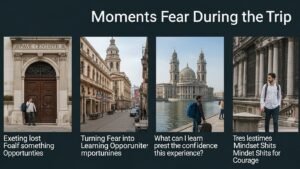
Even after leaving home, moments of fear still emerged: navigating unfamiliar streets, interacting in a foreign language, or making last-minute decisions about transport or meals. Instead of letting fear dominate, I consciously reframed these moments as opportunities for growth. Each challenge became a chance to build confidence and resilience.
Turning Fear into Learning Opportunities
For example, getting lost in a new city initially caused anxiety, but it forced me to engage with locals, practice problem-solving, and trust my instincts. These experiences transformed fear into a bridge to discovery, making the journey richer and more meaningful.
Mindset Shifts for Courage
I adopted a mindset of curiosity and openness. Rather than asking, “What if something goes wrong?” I reframed it as, “What can I learn from this experience?” This subtle shift in thinking transformed moments of uncertainty into opportunities for growth and exploration.
The Rewards of Managing Fear
Facing my fears didn’t eliminate anxiety completely, but it allowed me to engage fully in the travel experience. Moments that initially felt intimidating—such as solo navigating public transport or trying unfamiliar cuisine—became highlights of the trip. Confronting fear strengthened my self-confidence, adaptability, and resilience.
Building Lasting Confidence
Each successful navigation of fear reinforced the belief that I am capable of handling uncertainty. This newfound confidence not only enriched the trip but also carried over into other areas of life, making me more willing to take risks and embrace challenges.
Creating Memorable Experiences
Interestingly, the moments that once caused the most anxiety often became the most memorable. Initiating conversations with strangers, exploring off-the-beaten-path locations, and overcoming language barriers all left lasting impressions. Fear, when managed, became a catalyst for unique, meaningful experiences.
Final Thoughts: Preparing Emotionally as Well as Logistically
Dealing with fear before traveling is a universal experience, but it can be transformed into a powerful tool for personal growth. By acknowledging fear, preparing thoughtfully, practicing mindfulness, and reframing challenges as opportunities, you can travel with confidence and openness. Fear doesn’t have to be a barrier—it can be a bridge to adventure.
Travel isn’t just about destinations; it’s about the personal journey we embark on, the courage we summon, and the stories we create. If fear visits you before a trip, welcome it as part of the adventure—it’s a sign that you’re about to grow, explore, and experience life more fully than ever.
By preparing emotionally as well as logistically, you can ensure that every journey is not only safe and organized but also transformative and fulfilling. Embrace the unknown, trust yourself, and step confidently into the world.

Taylor Smith is a passionate traveler since the age of 19 and currently lives in the United States. At 40 years old, Taylor loves exploring new cultures, experiencing local cuisine, and discovering authentic places around the world. He is also a dedicated writer, sharing his travel experiences and tips on this blog to help others make the most of their journeys in a thoughtful and inspiring way.