
Athens, the capital of Greece, is a city steeped in history, culture, and vibrant modern life. From the ancient ruins of the Acropolis to the bustling streets of Plaka, Athens offers a unique blend of antiquity and contemporary urban experiences. For first-time travelers, a common question arises: How many days should you stay in Athens to truly appreciate its history, culture, and atmosphere?
The answer depends on your interests, pace, and the surrounding sites you wish to explore. This guide will provide a detailed itinerary, insights into attractions, practical tips, and strategies to maximize your visit, ensuring that you leave Athens with a rich and memorable experience.
Understanding Athens and Its Attractions
Athens is not just a city; it is a living museum. Every corner tells a story, from the Parthenon on the Acropolis to the vibrant street art in Exarchia. Understanding the distribution of attractions is key to planning your stay effectively.
-
Acropolis and Acropolis Museum: The most iconic sites, with ancient temples, panoramic city views, and world-class exhibits.
-
Plaka and Monastiraki: Historic neighborhoods full of cafes, shops, and neoclassical architecture.
-
Syntagma Square and the Parliament: Witness the ceremonial Changing of the Guard and explore nearby parks.
-
National Archaeological Museum: Houses one of the world’s most important collections of Greek antiquities.
-
Mount Lycabettus: Offers panoramic views of Athens and is ideal for photography at sunrise or sunset.
Understanding the location and significance of these sites helps in deciding how many days to allocate for your Athens trip.
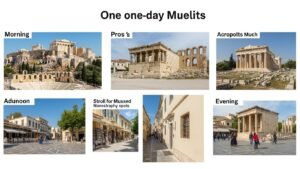
One Day in Athens: Highlights Only
If your schedule is limited and you have only one day, focus on the essentials:
Morning:
-
Visit the Acropolis early to avoid crowds and heat. Explore the Parthenon, Erechtheion, and the Theater of Dionysus.
-
Stop at the Acropolis Museum for a brief tour of artifacts and context.
Afternoon:
-
Walk through Plaka, enjoy lunch in a traditional taverna, and browse souvenir shops.
-
Visit the Ancient Agora and Temple of Hephaestus for an immersive historical experience.
Evening:
-
Stroll through Monastiraki Square, enjoy street performances, and capture the sunset from Areopagus Hill.
Pros of a one-day visit:
-
Covers key landmarks and iconic photography spots.
-
Ideal for travelers with a limited itinerary or as a stopover.
Cons:
-
Very rushed; limited time to explore neighborhoods, museums, and local culture.
-
Minimal flexibility for spontaneous discoveries.

Two Days in Athens: A Balanced Experience
Two days in Athens allow a more relaxed pace and a deeper understanding of the city.
Day One:
-
Morning: Acropolis and Acropolis Museum
-
Afternoon: Plaka and Monastiraki
-
Evening: Lycabettus Hill for sunset views
Day Two:
-
Morning: National Archaeological Museum or Benaki Museum
-
Afternoon: Syntagma Square, Temple of Olympian Zeus, Hadrian’s Arch
-
Evening: Explore Psiri neighborhood for nightlife, cafes, and dining
Advantages of a two-day stay:
-
Time to explore both ancient and modern Athens.
-
Opportunity to enjoy local cuisine and nightlife.
-
Enough flexibility to rest and absorb the city’s atmosphere.
Considerations:
-
Still limited if you wish to take day trips to nearby sites like Delphi or Cape Sounion.
Three Days in Athens: Comprehensive Exploration
A three-day stay allows you to immerse yourself in Athens’ history, culture, and local life while leaving room for day trips.
Suggested Itinerary:
Day One: Acropolis, Acropolis Museum, Plaka, Monastiraki
Day Two: National Archaeological Museum, Syntagma Square, Temple of Olympian Zeus, Panathenaic Stadium, Lycabettus Hill
Day Three: Day trips options
-
Delphi: A UNESCO World Heritage site with ancient ruins and stunning mountain views.
-
Cape Sounion and Temple of Poseidon: Famous for dramatic sunsets over the Aegean Sea.
-
Hydra or Aegina: Accessible by ferry for island day trips from Piraeus port.
Advantages:
-
Covers all major Athens attractions.
-
Allows time for museums, neighborhoods, and cultural immersion.
-
Incorporates one-day trips for broader exploration.
Considerations:
-
Requires careful planning to avoid long commuting times.
-
Pace may still be busy if multiple day trips are included.

Four Days or More: In-Depth Cultural and Regional Exploration
Staying four days or longer allows travelers to experience Athens more slowly and include additional cultural activities:
-
Cooking classes or traditional Greek food tours
-
Street art tours and contemporary cultural exhibitions
-
Lesser-known archaeological sites like Kerameikos Cemetery or Philopappos Hill
-
Day trips to nearby islands or coastal towns such as Vouliagmeni
Advantages:
-
Immersive experience, both in city and surroundings
-
Opportunities for photography and exploration at leisure
-
More time to enjoy dining, nightlife, and local interactions
Considerations:
-
Extended stay may require more accommodation planning
-
Some travelers may prefer to combine Athens with other Greek destinations like Santorini or Mykonos
Factors Affecting Your Stay Duration
-
Travel Goals:
-
History and archaeology → 3–4 days recommended
-
Quick highlights → 1–2 days sufficient
-
Cultural immersion → 4+ days ideal
-
-
Season:
-
Summer (June–August) → longer days, but hot and crowded
-
Spring/Autumn → milder temperatures, fewer tourists
-
Winter → low crowds, indoor attractions like museums are optimal
-
-
Travel Style:
-
Fast-paced sightseeing vs. relaxed exploration
-
Interest in museums, local neighborhoods, and culinary experiences
-
-
Day Trips:
-
Proximity to historic sites, islands, and coastal attractions may extend the ideal duration
-
Practical Tips for First-Time Visitors
-
Start early: Key attractions like the Acropolis get crowded mid-morning.
-
Wear comfortable shoes: Athens is best explored on foot, especially historic areas with cobblestones.
-
Hydrate and sun protection: Summer temperatures can be intense.
-
Public transport: Metro and buses connect major areas efficiently.
-
Local cuisine: Try traditional dishes like moussaka, souvlaki, and Greek salads at local tavernas.
Conclusion: How Many Days Are Enough?
Summary Recommendations:
-
1 day: Quick highlights; essential if time is limited
-
2 days: Balanced visit; covers major sites and neighborhoods
-
3 days: Comprehensive exploration; includes day trips
-
4+ days: In-depth cultural immersion, local experiences, and extended day trips
For first-time visitors aiming to see Athens thoroughly while experiencing its culture, 3 days is generally ideal. It allows enough time to explore historic sites, enjoy neighborhoods, visit museums, and take at least one day trip to nearby attractions.
Athens is a city that rewards both short and extended stays. Planning based on your interests, pace, and the season will ensure that your visit is not just about checking off landmarks, but about absorbing the history, culture, and vibrant energy that makes Athens unforgettable.
Whether you stay for one day or a week, Athens leaves a lasting impression — a city where ancient history and modern life coexist in harmony, offering experiences that remain vivid long after your visit.

Taylor Smith is a passionate traveler since the age of 19 and currently lives in the United States. At 40 years old, Taylor loves exploring new cultures, experiencing local cuisine, and discovering authentic places around the world. He is also a dedicated writer, sharing his travel experiences and tips on this blog to help others make the most of their journeys in a thoughtful and inspiring way.