
Traveling through Europe by train is nothing short of magical. The rhythmic clatter of wheels on tracks, the ever-changing landscapes framed by windowpanes, and the ease of slipping from one vibrant city to another create an immersive and unforgettable experience. However, train travel can sometimes feel like a luxury, especially when you want to maintain comfort without stretching your budget. Over the years, I’ve journeyed across Europe’s extensive rail network, developing little strategies that allow me to save money while still enjoying cozy seats, quiet carriages, and scenic views. If you dream of exploring Europe’s charming towns and iconic capitals by train but worry about cost, this guide is for you.
Understanding the European Train Landscape
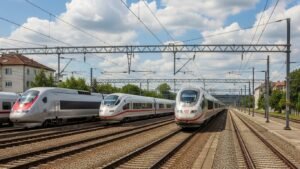
Before diving into cost-saving tactics, it’s important to understand the European rail system. Europe’s train network isn’t uniform; it’s a patchwork of national operators, regional lines, and high-speed rails, each with its own rules, pricing, and booking nuances. From the TGVs in France to Italy’s Frecciarossa, Germany’s ICE trains, and scenic regional routes, the variety can be overwhelming. Knowing which train to choose, when to book, and how to navigate different countries’ systems is essential to save money and maintain comfort.
Each country has unique ticketing strategies: some offer early-bird discounts months in advance, while others have dynamic pricing based on demand. Understanding these patterns can make the difference between an expensive ticket and a bargain.
Booking Smart: Timing and Flexibility
Early Bird Discounts
One of the most effective ways to save money is to book early. Most European trains release tickets 3 to 6 months in advance, and securing a seat as soon as possible often grants access to the lowest fares. For instance, when I booked a train from Paris to Amsterdam four months ahead, I paid nearly half of the standard fare. Early booking requires planning, but the savings can be substantial.
Flexibility Pays Off
Being flexible with travel dates and departure times can drastically reduce costs. Trains during off-peak hours or mid-week are typically cheaper and less crowded. On one trip, I adjusted my departure from a busy Saturday morning to a quiet Tuesday afternoon, saving almost 30 euros and enjoying a relaxed ride. Flexibility also opens the door to last-minute promotions or cancellations highlighted on booking apps.
Choosing the Right Ticket Type
Regional vs. High-speed Trains
High-speed trains are fast and efficient but often expensive. Regional trains, while slower, are usually cheaper and offer unique scenic routes and the chance to explore smaller towns along the way. During a trip in Italy, I opted for regional trains between Florence and Bologna instead of the high-speed Frecciarossa. Although the journey took longer, the cost savings and the picturesque countryside views made it worthwhile without sacrificing comfort.
Rail Passes: Interrail and Eurail
Rail passes like Interrail or Eurail are excellent investments if you plan multiple journeys across several countries. Initially, I thought individual tickets would be cheaper, but mapping out my itinerary revealed that a rail pass saved hundreds of euros. Passes also offer flexibility to hop on and off trains spontaneously, adding an adventurous feel to the trip. Remember that some high-speed and international trains require seat reservations even with a pass, so a bit of research is necessary.
Comfort on a Budget
Second Class vs. First Class
I used to believe first-class tickets were essential for comfort, but over time I realized that second-class seats on many European trains are surprisingly spacious, clean, and quiet. First class has perks like fewer passengers and complimentary snacks, but by traveling during off-peak hours and choosing less busy routes, second class can provide a peaceful journey without the extra expense. Money saved can be reinvested in local experiences, meals, or a fun activity at your destination.
Creating Your Personal Comfort Kit
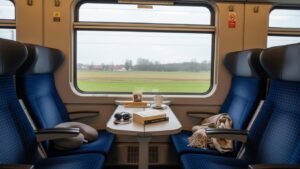
Comfort isn’t just about the seat itself. I always carry a lightweight travel pillow, a scarf or blanket, noise-canceling earbuds, and a good book or playlist. These small additions transform any train ride into a cozy and enjoyable experience. On a chilly morning train from Prague to Vienna, my scarf doubled as a blanket while I sipped coffee and watched the mist lift from the countryside. Small comforts like these enhance the journey without any additional cost.
Insider Tips from a Seasoned Rail Traveler
Check Multiple Booking Platforms
Ticket prices can vary between national rail websites and third-party platforms. I always cross-check prices on official sites, Trainline, and regional booking portals to ensure I get the best deal. Sometimes, booking directly with a country’s rail service reveals promotions or discounts unavailable elsewhere.
Travel Light
Even though most European trains allow generous luggage, traveling light has multiple benefits. Less luggage means easier boarding, more seating options, and fewer worries about storage. Some discounted tickets have luggage restrictions, so packing smart can keep you within budget and comfortable throughout the journey.
Snack Wisely
Buying food on trains can be pricey, so I stop at local markets or bakeries before boarding. Not only does this save money, but it also allows me to enjoy authentic flavors along the way. For example, a fresh croissant from a Parisian boulangerie while watching the countryside roll by is both economical and delightful.
Planning Ahead: The Secret Ingredient
My love for trains has grown alongside my appreciation for preparation. Reading blogs, forums, and personal travel guides has helped me understand local customs, ticketing procedures, and train etiquette. Two posts that guided me early in my rail adventures were Why Every Trip Starts Long Before Boarding and What I Learned Planning a Trip for the First Time. They remind me that thoughtful planning unlocks both comfort and savings.
Final Thoughts
Traveling Europe by train on a budget without sacrificing comfort is completely achievable. Booking early, embracing flexibility, using regional trains, smart packing, and bringing your own comfort items all contribute to an enjoyable and economical journey. For me, the true joy of train travel is in the freedom to explore diverse cultures, landscapes, and histories at a relaxed pace, without financial stress. By combining preparation, insider knowledge, and practical habits, you can turn your European rail trip into an unforgettable experience that is both affordable and comfortable. Happy travels!

Taylor Smith is a passionate traveler since the age of 19 and currently lives in the United States. At 40 years old, Taylor loves exploring new cultures, experiencing local cuisine, and discovering authentic places around the world. He is also a dedicated writer, sharing his travel experiences and tips on this blog to help others make the most of their journeys in a thoughtful and inspiring way.