
There is a specific kind of silence that you only find in the Scottish Highlands. It’s not the absence of sound, but rather the presence of something ancient. It’s the whistle of the wind through the glens, the distant call of a golden eagle, and the soft crunch of peat beneath your boots. When I first set foot in the Highlands, I realized that my previous travels had been loud. Cities have a pulse, but the Highlands have a breath. For a traveler like me, who spent his twenties chasing the fast-paced energy of New York and Tokyo, arriving in the north of Scotland felt like finally exhaling.
The Highlands don’t demand your attention with neon lights or towering skyscrapers. Instead, they command it with a raw, unfiltered beauty that makes you feel both incredibly small and deeply connected to the earth. It is a place where legends feel like history and history feels like a legend. I went there searching for landscapes, but I came back with a different perspective on time itself.
The Call of the North: Why Scotland Now?
Planning a trip to Scotland often starts with the usual suspects: Edinburgh’s historic Royal Mile or the mysterious depths of Loch Ness. But if you want to truly understand the soul of this land, you have to go further. You have to drive until the roads become single-track and the sheep outnumber the people.
My 5-day journey wasn’t about checking off monuments; it was about immersion. Just as I learned during my 3-day trip in Switzerland: lakes, Alps, and hidden villages, the true beauty of a mountainous region is found when you slow down and let the landscape speak. In Switzerland, the beauty is manicured and precise; in Scotland, it is rugged, wild, and unpredictable.
One of the things I’ve learned over twenty years of traveling is that the best experiences often happen when the weather isn’t “perfect.” In the Highlands, “bad” weather is actually the best weather. A mist rolling over a glen or a sudden burst of rain followed by a rainbow creates a cinematic atmosphere that a clear blue sky simply can’t match.
Day 1: Glencoe and the Weight of History
My journey began in Glencoe. To call it a “valley” feels insufficient. It is a cathedral of rock and rain. As I stood at the base of the Three Sisters—the towering ridges that dominate the landscape—the clouds hung low, draping the peaks in a mystical gray veil.
There is a weight to the air in Glencoe. It’s the site of the infamous 1692 massacre, and even if you don’t know the history, you can feel a certain solemnity in the wind. I spent hours just walking the trails, watching how the light changed the color of the grass from a vibrant emerald to a moody gold.
I remember stopping at a small bridge, the water rushing beneath me with a clarity that looked like liquid glass. I realized then that I hadn’t looked at my phone in four hours. That’s the magic of Glencoe; it pulls you out of your digital life and forces you into the present moment. This sense of presence is something I always strive for, much like why every trip starts long before boarding, where the anticipation prepares your mind for the stillness of the destination.
IMAGEM1
Day 2: The Isle of Skye and the Quiraing
Leaving the mainland behind, I crossed the bridge to the Isle of Skye. If Glencoe is the heart of the Highlands, Skye is its imagination. It is a place that feels like it was designed by a fantasy novelist.
The Quiraing was my main objective for the day. It’s a massive landslip on the Trotternish Ridge that has created a landscape of jagged needles, hidden plateaus, and steep cliffs. Walking along the narrow path, with the wind whipping against my face, I felt a surge of adrenaline. It’s not a difficult hike, but the sheer scale of the surroundings is dizzying.
I found a spot away from the other hikers, sat on a flat stone, and just watched the shadows of the clouds race across the sea in the distance. There’s a psychological shift that happens when you’re surrounded by such ancient geology. Your daily worries—the emails, the deadlines, the trivial stresses—start to feel as small as they actually are.
Day 3: The Fairy Pools and the Art of Cold Water
On my third day, I headed to the Fairy Pools at the foot of the Black Cuillin mountains. These are a series of crystal-clear rock pools and waterfalls. The water is a startling shade of turquoise, looking more like the Caribbean than the North Atlantic—until you touch it.
I saw a few brave souls jumping into the freezing water. I didn’t join them this time, but watching them reminded me of the importance of sensory experiences in travel. It’s not just about what you see; it’s about the cold air in your lungs and the smell of wet heather.
I spent the afternoon in Portree, the largest town on Skye, with its famous row of brightly colored houses lining the harbor. I sat in a small pub, ordered a bowl of Cullen Skink (a thick Scottish soup of smoked haddock, potatoes, and onions), and listened to the locals talk. Their accent is like a song, rhythmic and full of character. It’s in these moments—eating local food in a warm room while the rain drums on the window—that you truly feel the “cozy” side of Scotland.
IMAGEM2
Day 4: The Road to Applecross
Many people skip the Applecross peninsula because the road to get there, the Bealach na Bà, is one of the most challenging drives in the UK. It’s a winding, single-track road that climbs to over 2,000 feet with hairpin turns that require nerves of steel.
But the reward at the top is unparalleled. On a clear day, you can see across the Minch to the Outer Hebrides. The descent into the village of Applecross feels like entering a secret world. It’s a tiny community that feels completely disconnected from the frantic pace of modern life.
I spent the night there, and for the first time in years, I saw the Milky Way with total clarity. Without the light pollution of the cities, the sky was a velvet blanket of diamonds. It reminded me of why I started traveling at 19: to see things that reminded me of the wonder of the universe.
Day 5: Eilean Donan and the Return to Reality
On my final day, I made my way back toward Inverness, stopping at Eilean Donan Castle. It sits at the point where three sea lochs meet, and it is perhaps the most photographed castle in Scotland. Even with the tourists, there is an undeniable grace to the structure.
As I walked through the stone corridors, I thought about the layers of time that exist in the Highlands. From the ancient rocks of the Quiraing to the medieval stones of the castle, Scotland is a place that respects the past while remaining stubbornly itself in the present.
What the Highlands Taught Me
Reflecting on those five days, I realize that the Highlands offered me something I didn’t know I needed: a reset. In our daily lives, we are constantly bombarded with information. We are told where to go, what to buy, and how to feel. In the Highlands, the land doesn’t care about your opinion. It simply is.
This journey reinforced my belief that travel should be more than just a collection of photos for social media. It should be an internal shift. Whether it’s navigating a misty road in Scotland or figuring out how to save money on European trains without losing comfort, every trip is an opportunity to learn something about yourself.
Practical Tips for Your Highland Adventure
If you’re planning to follow in my footsteps, here are a few things I learned the hard way:
-
Rent a Small Car: The roads are narrow. A massive SUV might feel safe, but you’ll regret it the first time you have to squeeze past a delivery truck on a cliffside.
-
The “Midges” are Real: If you visit in the summer, these tiny biting insects can be a nightmare. Bring repellent and stay near the coast where the breeze keeps them away.
-
Book Ahead: Even though it feels wild, the Highlands are popular. The best guesthouses and B&Bs fill up months in advance.
-
Embrace the Rain: Don’t let a forecast of rain stop your plans. The Highlands are at their most beautiful when they are moody. Just bring a high-quality waterproof jacket.
IMAGEM3
Conclusion
The Scottish Highlands are not just a destination; they are an experience that stays with you long after you’ve washed the mud off your boots. They remind us that the world is still wild, that history is still alive, and that sometimes, the best way to find yourself is to get a little bit lost in the mist.
As I drove back toward the airport, I looked in the rearview mirror at the receding peaks of the mountains. I felt a pang of sadness to leave, but also a profound sense of gratitude. I came for the magic, and I found it—not in a fairy tale, but in the reality of a landscape that is as honest as it is beautiful.
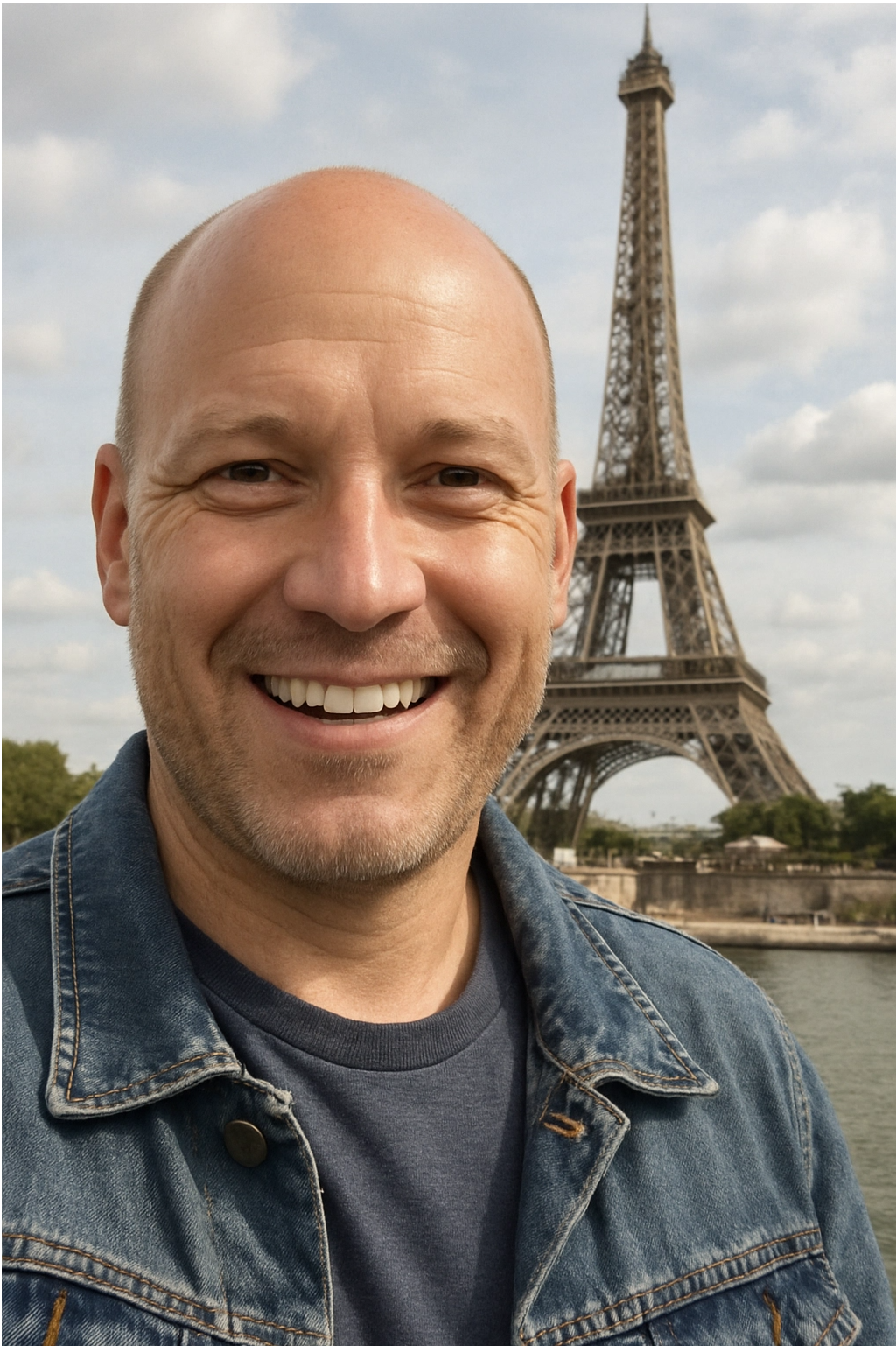
Taylor Smith is a passionate traveler since the age of 19 and currently lives in the United States. At 40 years old, Taylor loves exploring new cultures, experiencing local cuisine, and discovering authentic places around the world. He is also a dedicated writer, sharing his travel experiences and tips on this blog to help others make the most of their journeys in a thoughtful and inspiring way.