
We all go to Barcelona with a checklist: Sagrada Familia, Park Güell, Las Ramblas. It’s the standard, beautiful, and entirely necessary itinerary for a first-time visitor. But there’s a moment in every truly great trip when the checklist is thrown out the window, when you stumble upon something so authentic, so rooted in the local spirit, that it completely redefines your experience of the place. For me, that moment happened in the Gràcia district, during the Festa Major. I hadn’t planned for it; I hadn’t even heard of it until a local mentioned the neighborhood was “getting ready for the party.” What I thought would be a quiet afternoon exploring a residential area turned into an accidental immersion into the heart and soul of Catalan community life. It was a powerful reminder that the best travel memories are often the ones you don’t schedule.
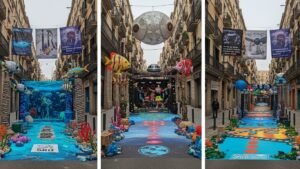
The transformation of the streets was what first caught my attention. Gràcia, already a charming, slightly bohemian neighborhood, had been utterly and fantastically redecorated. Not with simple banners, but with elaborate, themed installations crafted entirely by the residents. One street was a vibrant underwater world, complete with shimmering fish and coral made from recycled materials. Another was a journey through a sci-fi landscape, and yet another was a tribute to a classic film. It was a breathtaking display of collective creativity and fierce neighborhood pride. This wasn’t a show put on for tourists; this was a deep-seated tradition, a friendly but intense competition between the streets to see who could create the most spectacular display. It was a visual feast that spoke volumes about the community’s spirit and their commitment to preserving their unique identity.
Before I found myself swept up in the whirlwind of the festival, my trip was following a predictable, albeit enjoyable, path. I was ticking off the major sights, admiring the architecture, and eating in the well-known tourist spots. It was a great trip, but it lacked that spark of genuine connection. I remember looking at my itinerary, which was packed with museums and monuments, and realizing that I was seeing the shell of Barcelona, not its living, breathing core. The festival changed that instantly. It forced me to slow down, to engage with the people, and to understand the city not as a collection of landmarks, but as a collection of vibrant, passionate communities. It was a shift in perspective that made the city feel suddenly accessible and deeply personal.
If you’re still in the planning stages of your trip and looking for a more traditional approach, you might find my guide on 7-Day Itinerary Through Barcelona: Art, History, and Beaches helpful. It covers all the must-see spots. But once you’ve seen the main sights, I highly recommend seeking out these local, authentic experiences.
The Cultural Depth of Festa Major de Gràcia
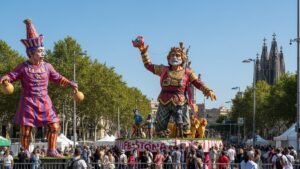
The cultural depth of the Festa Major de Gràcia is astonishing. It’s a celebration that dates back to the 19th century, a time when Gràcia was actually a separate village outside of Barcelona. This history of independence is still palpable in the air, fueling the intense pride and the unique traditions of the festival. One evening, I witnessed the correfoc, or “fire run.” Imagine a parade where people dressed as devils run through the streets, setting off fireworks and sparklers, while drums beat a relentless rhythm. It sounds chaotic, and it is, but it’s also an exhilarating, primal expression of Catalan culture. You stand on the sidelines, dodging sparks, feeling the heat, and you realize you are part of something ancient and powerful.
Another unforgettable moment was watching the castells, the human towers. This is not just a performance; it’s a profound act of teamwork and trust. People of all ages and sizes climb onto each other’s shoulders, forming a towering structure that can reach nine or ten stories high. The crowd holds its breath, the tension is immense, and when the smallest child, the enxaneta, reaches the top and raises a hand, the roar of the crowd is deafening. It’s a powerful metaphor for community and collaboration, a tradition that speaks volumes about the Catalan spirit.
A Culinary Journey Off the Tourist Path
The food during the festival is another story entirely. Forget the tourist menus; this is where the neighborhood taverns shine. They set up stalls, offering traditional Catalan dishes and drinks that are made with love and local ingredients. I spent an entire afternoon sampling different varieties of botifarra (a type of sausage) and washing it down with local wine. It was a culinary journey that was as educational as it was delicious. The best part was sharing a table with a group of elderly locals who, despite the language barrier, insisted on teaching me the proper way to eat a certain dish.
This experience really drove home the importance of seeking out local eateries. If you want to truly taste a city, you have to eat where the locals eat. It’s a simple rule, but it’s one that can transform your trip. I’ve written a whole piece on this philosophy, which you can find here: How to Choose Restaurants That Locals Really Frequent. It’s a guide to bypassing the tourist traps and finding the genuine flavors of a destination.
The Power of Community and Connection
The beauty of the Festa Major is that it’s a celebration of the ordinary, transformed into the extraordinary. It’s about neighbors working together, year after year, to create something beautiful for their community. It’s a living, breathing example of what happens when people invest their time and passion into their local environment. It’s a lesson in travel, too: sometimes, the most profound experiences are not the ones you pay an entrance fee for, but the ones that are freely offered by the heart of a community. It’s a feeling of being welcomed, not just as a visitor, but as a temporary participant in their joy.
The festival completely changed my perception of Barcelona. It showed me a city that is fiercely proud of its heritage, deeply creative, and incredibly welcoming. It was a reminder that travel is not just about seeing new places, but about understanding new people and their stories. I left Gràcia with a sense of warmth and connection that the grand monuments, for all their beauty, simply couldn’t provide. It was a trip that started with a checklist and ended with a memory that will last a lifetime.
Taylor Smith is a passionate traveler since the age of 19 and currently lives in the United States. At 40 years old, Taylor loves exploring new cultures, experiencing local cuisine, and discovering authentic places around the world. He is also a dedicated writer, sharing his travel experiences and tips on this blog to help others make the most of their journeys in a thoughtful and inspiring way.