
There is a specific kind of regret that only travelers know. It’s the feeling of looking back at a hundred photos of a sunset in Santorini or a street market in Bangkok and realizing that, while the images are beautiful, you can’t actually remember what the air felt like or what the person next to you was saying. You were so busy adjusting your lens, checking your exposure, and framing the “perfect” shot that you effectively removed yourself from the experience. I’ve spent the better part of twenty years behind a camera, and for a long time, I was a victim of this digital obsession. I was collecting pixels but losing the soul of my journey.
Photography is a powerful tool—it’s how we anchor our memories in a world that moves too fast. But it is also a barrier. When you look at the world through a viewfinder, you are an observer, not a participant. Finding the balance between documenting your life and actually living it is the ultimate challenge for the modern wanderer. Much like is it worth waking up early to photograph tourist cities?, the secret isn’t in the equipment you carry, but in the intention behind the shutter. It’s about learning to see the world with your eyes first and your sensor second.
The Trap of the “Trophy” Photo
We live in the era of the “trophy” photo. We see a location on social media, we find the exact GPS coordinates, and we stand in line with fifty other people to take the exact same picture. This isn’t photography; it’s a scavenger hunt. When we focus only on the “must-have” shot, we stop being curious. We stop looking for the small, messy, and beautiful details that actually make a place unique.
I remember standing in front of the Eiffel Tower at sunset, surrounded by a sea of tripods. Everyone was waiting for the same light to hit the same iron beams. I looked away from the tower for a moment and saw a young couple sharing a simple baguette on a park bench, their faces glowing in the warm orange light. That was the real story of Paris in that moment. It wasn’t the monument; it was the life happening in its shadow. By shifting my focus, I realized that the best time to photograph the Eiffel Tower isn’t just about the sun’s position, but about when the city feels most alive to you.
The “Five-Minute” Rule
To combat the urge to spend my entire trip behind a camera, I developed what I call the “Five-Minute Rule.” When I arrive at a breathtaking new location—whether it’s the edge of a fjord in Norway or a bustling plaza in Rome—I leave my camera in my bag for the first five minutes.
During those five minutes, I engage all my senses. I smell the salt in the air, I listen to the local dialect, and I feel the temperature of the wind. I let the “wow” factor wash over me without trying to capture it. This simple practice grounds me in the reality of the moment. Once those five minutes are up, I find that the photos I take are much more meaningful because they are tied to a genuine emotional connection. I’m no longer just shooting a landmark; I’m shooting a memory that I’ve already lived.
Gear Doesn’t Make the Memory
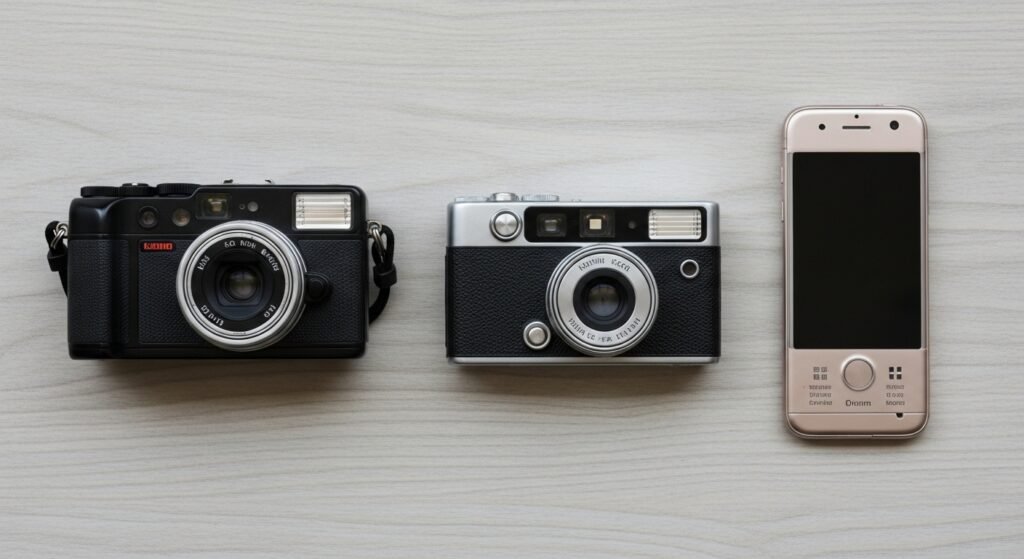
One of the most common questions I get is, “What camera should I buy for my trip?” My answer is always the same: the one you are most comfortable using. I’ve seen travelers lugging around heavy DSLR kits with three different lenses, looking exhausted and stressed. They spend more time cleaning their glass than looking at the scenery.
In the early days of my travels, I thought I needed the best gear to be a “real” photographer. But some of my most cherished images were taken on a beat-up point-and-shoot or an old smartphone. Why? Because I had those cameras ready in my pocket when a spontaneous moment occurred. High-end gear is great for professional landscapes, but for travel, portability is king. If your gear is a burden, you will eventually stop taking it out, and you’ll miss the very moments you traveled so far to see.
The Power of the Candid Portrait
Landscapes are beautiful, but people are the heartbeat of travel. However, taking photos of strangers is a delicate art. Many tourists treat locals like props in a movie, snapping photos without a word and moving on. This creates a wall of resentment.
As a guest in a foreign land, I’ve found that the best portraits come from a place of respect. I rarely take a photo of someone without a smile, a nod, or a short conversation first. Even if we don’t speak the same language, the gesture of asking for permission changes the dynamic. The photo becomes a shared experience rather than a theft. When you look back at that photo years later, you won’t just see a face; you’ll remember the brief, human connection you made in that market or on that train.
Embracing the “Imperfection”
We are obsessed with perfection. We want the straight lines, the perfect lighting, and the absence of other tourists. But the reality of travel is often messy. It’s a rainy day in London, a crowded street in Delhi, or a blurry shot taken from a moving bus.
I’ve started to embrace the “bad” photos. A slightly out-of-focus shot of a dinner with new friends often carries more emotional weight than a perfectly sharp photo of a cathedral. These “imperfect” shots capture the energy and the chaos of the journey. They remind us that travel isn’t a curated gallery; it’s a living, breathing experience. Don’t be afraid to keep the photos where you are laughing too hard or where the lighting is “wrong.” Those are the photos that will make you smile the most in twenty years.
The Discipline of the “Off” Switch
One of the hardest things for a photographer to do is to know when to put the camera away entirely. There are certain experiences that are too big for a lens. A funeral procession in Bali, a deeply personal religious ceremony, or a quiet conversation with a loved one under the stars—these are moments that belong in your heart, not on your hard drive.
I’ve learned to recognize when a moment is “mine” and not for the world to see. By choosing not to photograph everything, I give the truly special moments more room to breathe. I’ve found that my memories of the things I didn’t photograph are often the most vivid. They aren’t anchored to a digital file, so they are free to grow and evolve in my mind.
Curating Your Story
When you get home from a trip with three thousand photos, the task of looking through them can feel like a second job. This is where most memories go to die—in a folder on a computer that never gets opened.
The final step of travel photography is curation. I challenge myself to pick only my top fifty photos from a month-long trip. This forces me to evaluate which images actually tell the story of my journey. I then print them. There is something profoundly different about holding a physical photograph in your hand versus scrolling through a screen. A printed photo on your wall or in a book is a daily reminder of the person you were and the world you saw.

Photography should be a way to enhance your travel, not replace it. It should be a tool that helps you look closer, stay longer, and appreciate the light. But it must always serve the experience. If you find yourself more worried about your battery life than the sunset in front of you, it’s time to put the lens cap on.
As I look at the photos from my last trip, I see more than just colors and shapes. I see the lessons I learned, the fears I faced, and the wonder I felt. I remember the sounds, the smells, and the taste of the food because I made sure to experience them first. The camera was just there to witness it.
Next time you are standing in a place that takes your breath away, take a deep breath yourself. Look around. Smile. And only then, if it feels right, take the picture.
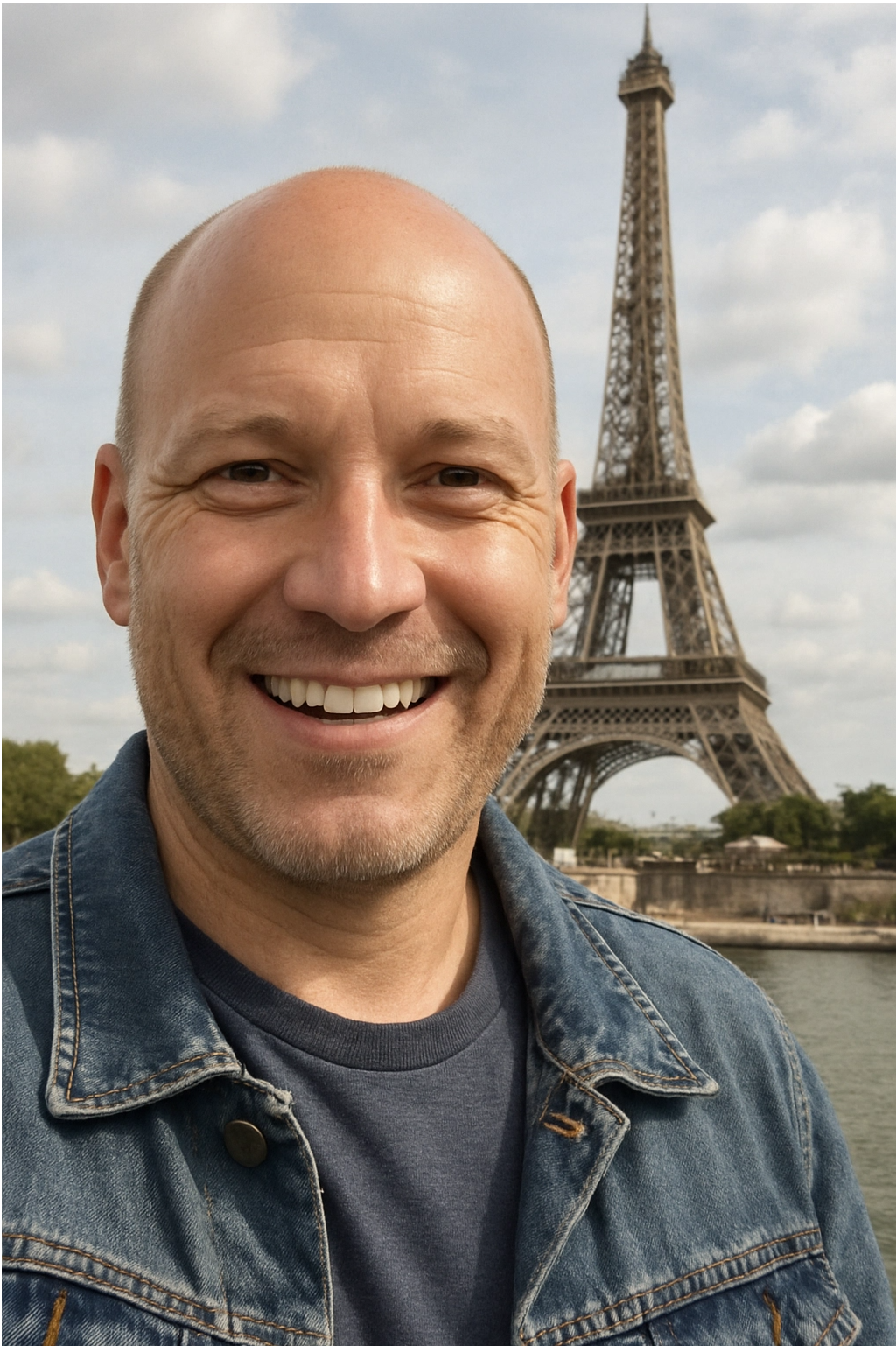
Taylor Smith is a passionate traveler since the age of 19 and currently lives in the United States. At 40 years old, Taylor loves exploring new cultures, experiencing local cuisine, and discovering authentic places around the world. He is also a dedicated writer, sharing his travel experiences and tips on this blog to help others make the most of their journeys in a thoughtful and inspiring way.