
Switzerland. The name conjures images of pristine lakes, towering, snow-capped peaks, and perhaps a certain kind of chocolate. But to truly understand the soul of this Alpine nation, you have to look beyond the postcard and sit down at a table in a cozy mountain chalet. The food of the Swiss Alps is not about refinement; it is about resourcefulness, tradition, and the deep, enduring connection between the people and their rugged land.
This cuisine is a direct, honest reflection of the harsh, beautiful life in the mountains. It’s built on ingredients that could be stored through long, cold winters: cheese, potatoes, cured meats, and dried pasta. Every dish tells a story of survival, community, and the simple, profound pleasure of a warm meal after a day spent in the crisp mountain air. My own journey into Swiss gastronomy was less about tasting new flavors and more about understanding this unique cultural narrative.
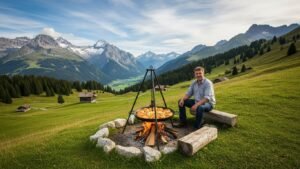
The culinary landscape of Switzerland is a beautiful patchwork, influenced by its neighbors—Germany, France, and Italy. Yet, the Alpine regions have forged a distinct identity, one that prioritizes comfort and sustenance. This is why the most iconic dishes are often communal and built around a few staple ingredients. They are designed to be shared, to bring people together around a warm fire, transforming a simple meal into a cultural ritual.
The history of these dishes is rooted in the life of the Senn, the Alpine herdsmen who spent their summers high up in the pastures. They had access to milk, which they turned into cheese, and little else. This necessity is the mother of the most famous Swiss creations, dishes that have now become global symbols of mountain coziness.
The Holy Trinity of Swiss Comfort: Fondue, Raclette, and Rösti
You cannot talk about Swiss Alpine food without starting with the “Holy Trinity” of comfort. Fondue, of course, is the most famous. It’s more than just melted cheese; it’s a social contract. Dipping bread into a communal pot of bubbling cheese, wine, and kirsch is an act of togetherness. The slow, shared process of eating fondue forces you to slow down, to talk, and to connect—a perfect antidote to the fast pace of modern life. It’s a dish that demands patience and rewards community.
Then there is Raclette, a dish that is both simpler and more dramatic. Named after the French word racler, meaning “to scrape,” it involves melting a large wheel of semi-hard cheese and scraping the molten layer onto a plate of boiled potatoes, pickled onions, and gherkins. It’s a sensory experience: the smell of the melting cheese, the sizzle on the plate, and the satisfying scrape of the knife. It’s a ritual that speaks to the shepherd’s simple, hearty meal, elevated to a national treasure.
Finally, Rösti, the national potato dish. It’s essentially a large, flat pancake made from grated, parboiled potatoes, fried until it has a crisp, golden crust and a soft, creamy interior. Originally a breakfast dish for farmers in the canton of Bern, it has become a staple across the country. It’s the perfect canvas for a variety of toppings, from fried eggs to cured meats, and a testament to the versatility of the humble potato in the Alpine diet.
If you are planning a trip to the region, you might be interested in exploring the stunning landscapes that gave birth to this cuisine. I recently wrote an article on 3-Day Trip in Switzerland: Lakes, Alps, and Hidden Villages that can help you plan an itinerary that combines the best of the scenery with the local gastronomy.
Beyond the Staples: The Hidden Gems of the Alps
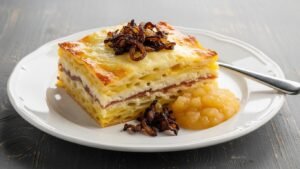
While the cheese dishes get all the international attention, the true depth of Alpine cuisine lies in its lesser-known, regional specialties. One of my personal favorites is Älplermagronen, often called the “Alpine herdsman’s macaroni.” It’s the Swiss answer to mac and cheese, but with a mountain twist: macaroni pasta is layered with potatoes, cream, and cheese, then baked and traditionally served with caramelized onions and a side of apple sauce. The combination of savory, creamy, and sweet is unexpectedly brilliant and deeply comforting.
Another dish that tells a powerful story is Bündnerfleisch, a type of air-dried meat from the canton of Graubünden. The meat is seasoned, pressed, and hung to dry in the cold, clean Alpine air for months. This method of preservation was essential for survival before refrigeration, allowing families to store protein through the winter. Eating thin, delicate slices of Bündnerfleisch is a taste of pure mountain air and ancient tradition.
The influence of Italy is most evident in the southern, Italian-speaking canton of Ticino, where Polenta is a staple. Cooked slowly over a fire until thick and creamy, it’s often served with rich stews or a generous grating of local cheese. This is another example of a simple, filling food that has sustained mountain communities for centuries, a warm, golden hug on a cold day.
The cultural significance of these dishes is tied to the concept of Gemütlichkeit—a German word that translates roughly to coziness, comfort, and a sense of well-being. Eating these foods in a rustic mountain hut, with the wind howling outside and the warmth of the fire inside, is the ultimate expression of this feeling. It’s a moment of peace and contentment, a reward for the hard work of mountain life.
Finding the Authentic Taste
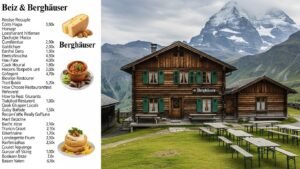
To truly experience this food, you must seek out the authentic Beiz (local inns) and Berghäuser (mountain houses). These are the places where the recipes have been passed down through generations, and the ingredients are sourced from the surrounding pastures. The menus are often small, focused on seasonal and local ingredients, and the atmosphere is always warm and welcoming.
Finding these hidden culinary gems requires a willingness to venture off the main tourist routes. It means looking for the places where the locals gather, where the menu is written in a local dialect, and where the smell of melted cheese hangs heavy in the air. If you are serious about finding these authentic spots, you might want to read my guide on How to Choose Restaurants That Locals Really Frequent. It’s a skill that will unlock the true flavor of any destination, including the Swiss Alps.
The food of the Swiss Alps is a testament to the power of simplicity. It proves that the most profound culinary experiences often come from the humblest of ingredients, transformed by tradition, necessity, and a deep respect for the land. It’s a cuisine that nourishes the body and feeds the soul, a delicious, comforting echo of life in the high mountains.

Taylor Smith is a passionate traveler since the age of 19 and currently lives in the United States. At 40 years old, Taylor loves exploring new cultures, experiencing local cuisine, and discovering authentic places around the world. He is also a dedicated writer, sharing his travel experiences and tips on this blog to help others make the most of their journeys in a thoughtful and inspiring way.