
We live in a world that worships at the altar of speed. We want faster internet, faster food, and faster results. Unfortunately, this obsession with efficiency has bled into the way we travel. We’ve turned our vacations into “bucket lists” to be conquered, transforming what should be a soulful escape into a high-pressure logistics operation. We race from monument to monument, checking off boxes, capturing the perfect photo, and then rushing to the next train before we’ve even had a chance to breathe the local air.
I know this trap well. In my early thirties, I spent a week in Tokyo where I had every hour mapped out on a spreadsheet. I saw everything, yet I felt like I had seen nothing. I returned home more exhausted than when I left, with a camera full of pictures but a mind that couldn’t remember the smell of the ramen shops or the sound of the city at night. It took me years to realize that I wasn’t traveling; I was just relocating my stress to a different zip code.
That experience changed everything for me. I began to explore the concept of “Slow Travel”—the radical idea that the quality of a journey is not measured by the number of miles covered, but by the depth of the connection made. It’s about choosing a few places and staying long enough to find the rhythm of the local life. It’s about having no schedule, no “must-sees,” and no deadlines.
The Psychology of the Empty Calendar
The hardest part of slow travel isn’t the logistics; it’s the guilt. We feel a strange obligation to be “productive” even when we are on holiday. We feel that if we aren’t seeing the Eiffel Tower or the Colosseum, we are wasting our money. But the truth is exactly the opposite. When you over-schedule your trip, you leave no room for serendipity—and serendipity is where the magic of travel actually lives.
When you wake up in a new city with absolutely nothing on your calendar, your brain shifts gears. You stop looking at your watch and start looking at the world. You notice the way the light hits a certain cobblestone street at 10:00 AM. You notice the elderly man who sets up his flower stall with meticulous care every morning. You begin to feel like a resident rather than a spectator.
I remember a time in Lisbon when I decided to cancel all my tours for the day. I had no plan other than to walk. I ended up in a small neighborhood away from the tourists, where I spent three hours reading a book and drinking coffee while watching a local festival being set up. That afternoon taught me more about Portuguese culture than any museum ever could. It’s the same feeling I described when I wrote about how a local festival changed my experience in Barcelona; the best moments are the ones you didn’t see coming.
Breaking the “Must-See” Fever
The digital age has made travel anxiety worse. Instagram and TikTok tell us that if we don’t visit the “top 10 spots,” we’ve missed out. This creates a “fear of missing out” (FOMO) that ruins the very essence of a vacation. Slow travel is the ultimate cure for FOMO. It’s the conscious decision to say, “I might miss the famous fountain, but I’m going to spend the whole afternoon in this hidden garden instead.”
When you stop chasing the “must-sees,” you start discovering the “should-sees”—the places that actually resonate with your personality. For me, it was a tiny, nameless bookstore in Paris. For you, it might be a specific bench overlooking the sea in a Greek village. By removing the schedule, you give yourself permission to follow your curiosity wherever it leads.
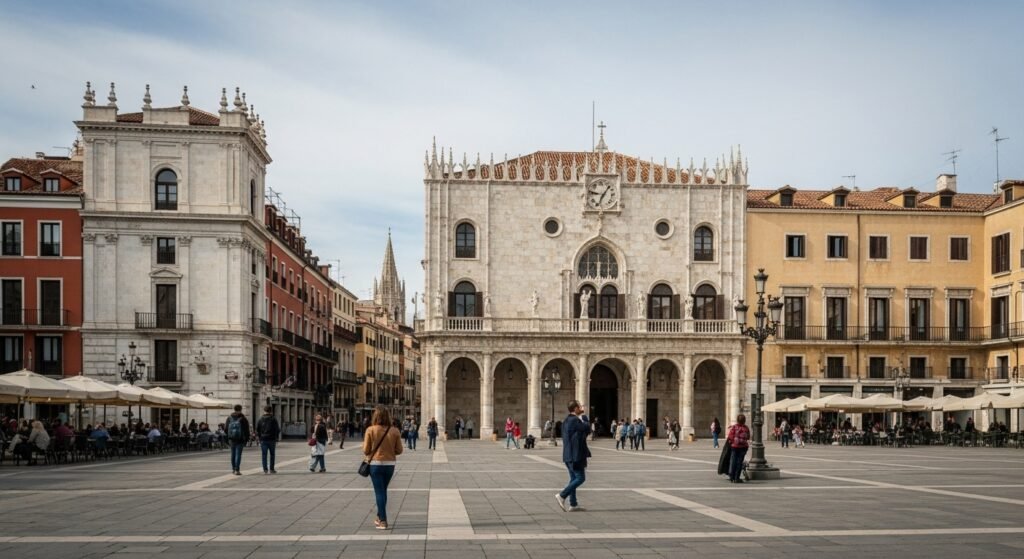
This philosophy is especially important if you are a first-timer. I often tell people that why every trip starts long before boarding is about mental preparation, not just booking flights. If you prepare your mind to be flexible, you won’t feel like a failure if you don’t see every museum on the list. You’ll realize that sitting in a plaza for two hours watching the world go by is a perfectly valid—and often superior—way to spend your time.
The Logistics of Doing Less
So, how do you actually practice slow travel without feeling lost? It starts with your accommodation. Instead of booking a hotel in the center of the tourist district, try staying in a residential neighborhood. Go to the same grocery store three days in a row. The staff will start to recognize you. You’ll learn which bread is the freshest. You’ll start to understand the local economy and the daily struggles and joys of the people who actually live there.
Another key is transportation. Instead of taking the high-speed train or a taxi, walk. If it’s too far, take a local bus. Walking is the only way to truly map a city in your mind. It allows you to see the transitions between neighborhoods, the changing architecture, and the small details—the street art, the window displays, the cats sleeping on doorsteps—that you would miss from a car window.
Slow travel also means eating differently. Instead of searching for the “best-rated” restaurant on your phone, walk around until you find a place that smells good and is filled with people speaking the local language. Don’t look at the menu before you sit down. Let the waiter tell you what’s good today. This surrender to the moment is what turns a meal into a memory.
Connection Over Collection
At its core, slow travel is about people. When you are rushing, people are just obstacles in your way. When you slow down, people become the highlight of your trip. You have time to ask the shopkeeper about the history of the building. You have time to play a game of chess in a public park. You have time to listen.
I’ve found that locals are much more open to talking to a traveler who looks relaxed than one who looks like they are on a mission. There is a different energy to someone who is just “being” rather than “doing.” Some of my best travel stories don’t involve landmarks at all; they involve a four-hour conversation with a fisherman in Croatia or a shared tea with a family in Thailand. These connections are the true souvenirs of travel, and they are impossible to find if you are checking your watch every ten minutes.
The Financial and Environmental Benefits
Beyond the emotional rewards, slow travel is better for your wallet and the planet. Traveling quickly is expensive. Last-minute taxis, high-speed trains, and eating at convenient (and overpriced) tourist spots add up. When you stay longer in one place, you can cook some of your meals, use weekly transit passes, and find the local spots where prices aren’t inflated for travelers.
Environmentally, slow travel reduces your carbon footprint significantly. By taking fewer flights and fewer long-distance trains, you are putting less strain on the infrastructure of the places you visit. It’s a more sustainable way to see the world, ensuring that these beautiful destinations remain intact for the next generation of travelers.
Learning to Be Bored
In our modern life, we are terrified of boredom. We reach for our phones the second there is a lull in the conversation or a wait in line. Slow travel forces you to confront that stillness. There will be moments when you are sitting in a quiet square and you don’t know what to do next. That is exactly where the growth happens.
In that “boredom,” your imagination wakes up. You start to reflect on your life back home. You start to think about what really matters to you. Travel shouldn’t just be an escape from your life; it should be a way to gain a new perspective on it. When you return from a slow trip, you don’t just bring back gifts; you bring back a clearer version of yourself.
How to Start Your First Slow Trip
If you aren’t ready to go completely schedule-free, try the “One Thing a Day” rule. Pick one major thing you want to do or see, and leave the rest of the day completely open. No dinner reservations, no second museum, no “quick stops.” If you find a cafe you love after your one activity, stay there for the rest of the afternoon. Give yourself the gift of time.
You might find that you see “less” of the city, but you will remember infinitely more. You will remember the name of the barista. You will remember the way the air smelled after the afternoon rain. You will remember the feeling of being completely at peace in a foreign land.
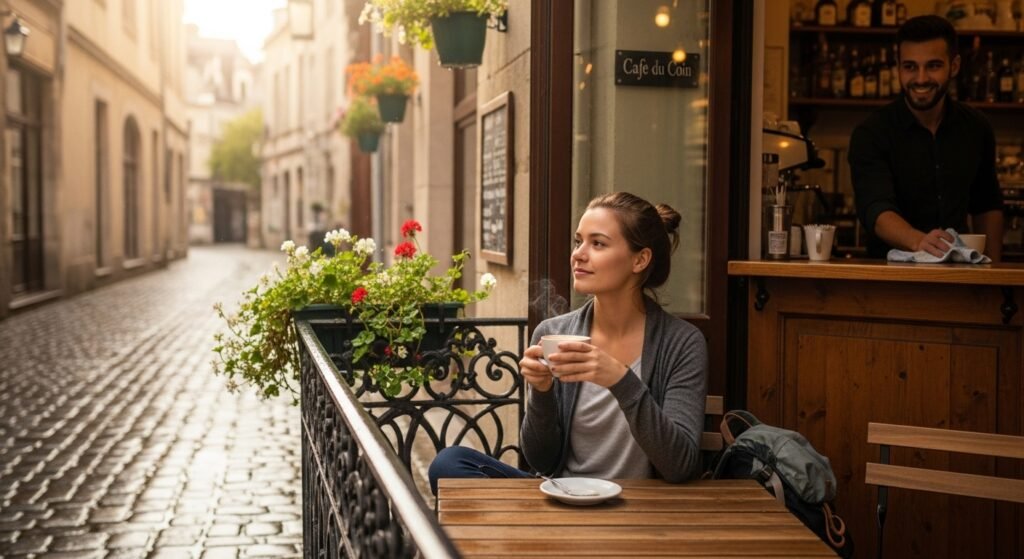
The art of slow travel is a skill that takes practice. It’s a rebellion against the “more is more” culture we live in. But I promise you, once you experience a trip with no schedule, you will never want to go back to the spreadsheet again. You’ll realize that the world isn’t a museum to be walked through; it’s a conversation to be joined.
Next time you find yourself packing your bags, leave the itinerary at home. Bring a good book, a comfortable pair of walking shoes, and an open heart. The world has a way of showing you exactly what you need to see, provided you are moving slowly enough to see it.
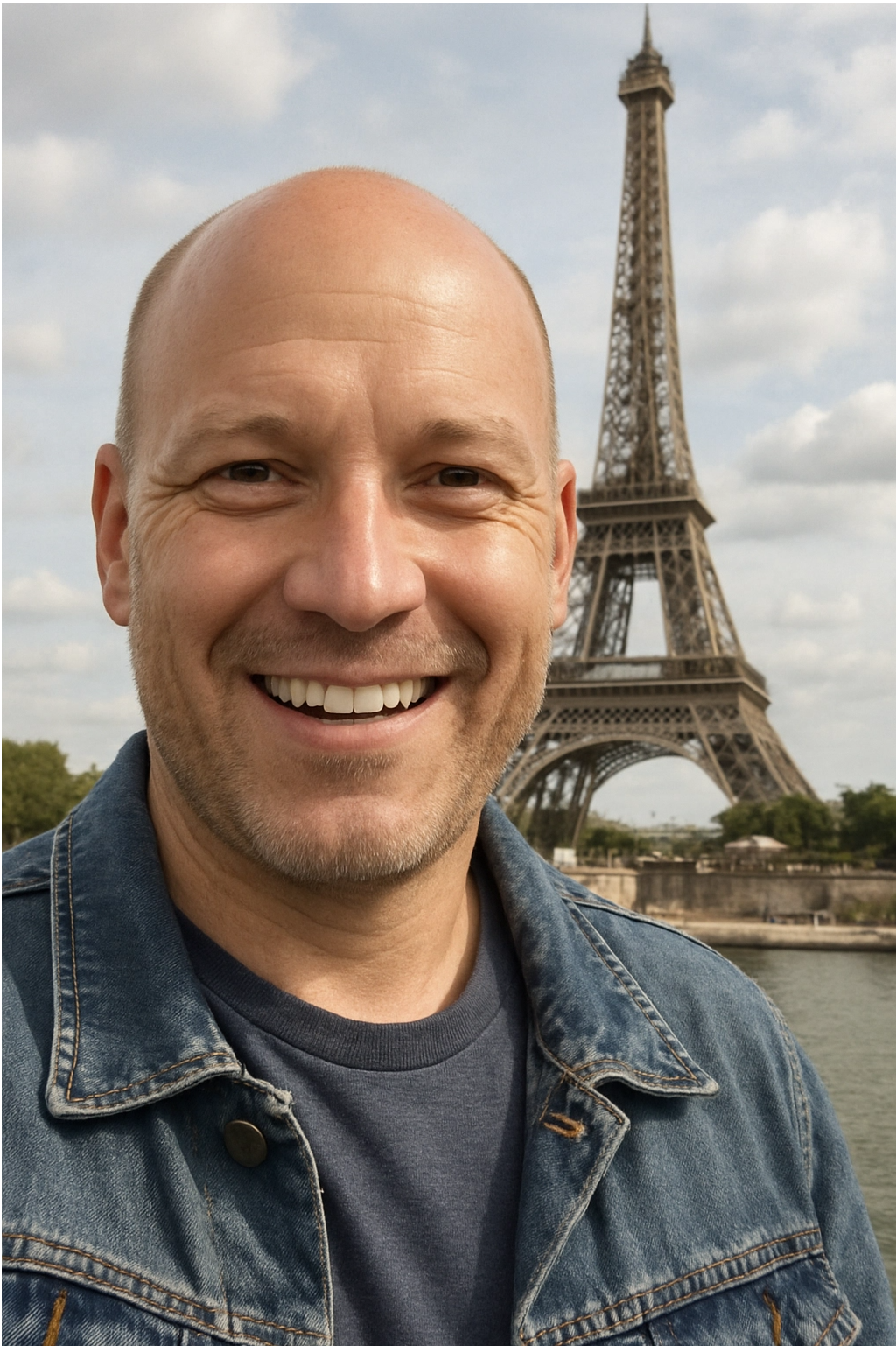
Taylor Smith is a passionate traveler since the age of 19 and currently lives in the United States. At 40 years old, Taylor loves exploring new cultures, experiencing local cuisine, and discovering authentic places around the world. He is also a dedicated writer, sharing his travel experiences and tips on this blog to help others make the most of their journeys in a thoughtful and inspiring way.