
Zermatt is a small alpine village in Switzerland, renowned worldwide for its breathtaking views of the Matterhorn, its car-free streets, and world-class skiing. Choosing the best month to visit Zermatt is a question that every traveler asks, but the answer depends on your priorities: skiing, sightseeing, photography, hiking, or simply enjoying the atmosphere of a quintessential Swiss mountain village.
This guide explores each month, highlighting climate, activities, crowd levels, and unique experiences, helping you decide when Zermatt will provide the perfect experience for your visit.
Understanding Zermatt’s Climate
Zermatt sits at an elevation of 1,620 meters (5,315 feet), with higher alpine areas exceeding 3,800 meters (12,500 feet). Its climate is classified as alpine, meaning cold winters with heavy snowfall and mild summers with clear skies.
Key points to consider:
Winter (December–March): Ideal for snow sports, snow photography, and winter festivals.
Spring (April–June): Transitional period with melting snow at lower elevations but continued snow at high altitudes.
Summer (July–September): Warm weather, perfect for hiking, climbing, and outdoor photography.
Autumn (October–November): Fewer crowds, crisp air, and vibrant autumn foliage.
Understanding these climate patterns is essential for choosing the best time to visit based on your interests.
Winter in Zermatt: December to March
Winter is arguably the most iconic time to visit Zermatt. The village is blanketed in snow, ski slopes are in prime condition, and alpine views are dramatic and photogenic.
Advantages of visiting in winter:
Skiing and snowboarding: Zermatt offers over 360 km of ski slopes, accessible to all skill levels.
Snow reliability: High-altitude resorts ensure snow from November through April.
Festive atmosphere: Christmas markets, holiday decorations, and winter festivals create a magical ambiance.
Winter photography: Snow-covered Matterhorn provides classic alpine imagery.
Considerations:
Crowds: December and February are peak seasons, especially around Christmas and ski holidays.
Higher costs: Accommodation and lift passes can be expensive.
Cold temperatures: Prepare for sub-zero temperatures, especially at night.
For travelers seeking skiing, winter sports, or the quintessential snowy alpine experience, December to February is the best period.
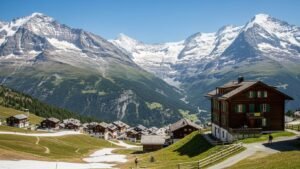
Spring in Zermatt: April to June
Spring is a transitional period. Lower valleys may start to see melting snow, while higher altitudes retain snow for late-season skiing. Early spring offers a mix of winter activities and the emerging greenery of alpine meadows.
Advantages:
Fewer crowds: Many tourists visit in peak winter, making spring quieter.
Skiing continues at high altitudes: Glacier skiing remains available in Zermatt.
Hiking opportunities begin: Lower altitude trails start to open as snow melts.
Milder weather: Daytime temperatures are pleasant, allowing easier exploration of the village.
Considerations:
Variable snow coverage: Some areas may be unsuitable for skiing.
Mixed weather: Occasional rain or late snowfalls can affect outdoor plans.
Spring is ideal for travelers who want a combination of winter sports and early hiking, with more space to enjoy Zermatt without peak-season crowds.
Summer in Zermatt: July to September
Summer is a completely different experience. Snow is largely gone from lower trails, but higher peaks remain snow-capped, offering stunning contrasts. Hiking, climbing, and mountain biking are popular during this period.
Advantages:
Hiking and nature exploration: Trails like Gornergrat, Riffelsee, and Schwarzsee are fully accessible.
Long daylight hours: Extended daylight allows for more activities and photography opportunities.
Mild temperatures: Ideal for outdoor adventures and village strolls.
Festivals and events: Summer brings music festivals and local events in the alpine villages.
Considerations:
Limited skiing: Lower slopes are closed for skiing; only glaciers provide snow activities.
Tourist crowds: Summer holidays, especially August, bring international visitors.
Summer is best for hikers, photographers, and travelers who enjoy alpine scenery without winter sports, with temperatures averaging 15–25°C (59–77°F) in the village.
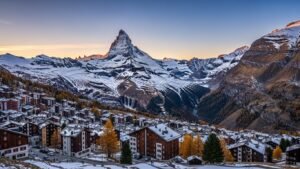
Autumn in Zermatt: October to November
Autumn is one of the least crowded periods to visit Zermatt. The crisp air, golden foliage, and quiet streets create a peaceful atmosphere.
Advantages:
Fewer tourists: Perfect for photography and relaxed exploration.
Autumn colors: Alpine meadows and forests display vibrant shades of red, yellow, and orange.
Mild weather: Cool but manageable temperatures for hiking and sightseeing.
Considerations:
Variable snow: Early snowfall may occur at higher elevations, while lower areas are mostly snow-free.
Limited outdoor activities: Ski resorts may not yet open for the season.
Autumn is ideal for travelers seeking serenity, scenic photography, and a slower pace, with fewer crowds and moderate costs.
High-Altitude Snow: Year-Round Options
Regardless of the month, Zermatt offers snow experiences at higher altitudes:
Matterhorn Glacier Paradise: The highest cable car station in Europe offers skiing, snowboarding, and panoramic snow views year-round.
Klein Matterhorn: Snow-covered peaks provide opportunities for photography and glacier exploration even in summer.
These areas are perfect for travelers with limited flexibility or for those who want guaranteed snow outside of winter months.
Photography Tips by Season
Winter: Capture snow-covered villages, frozen lakes, and the Matterhorn at sunrise or sunset for dramatic light.
Spring: Contrast between melting snow and emerging alpine flora creates dynamic compositions.
Summer: Clear skies, lush meadows, and high-altitude snow provide vibrant images.
Autumn: Golden foliage and calm streets allow atmospheric shots with fewer tourists.
Tips for all seasons:
Arrive early to capture soft morning light.
Use a tripod for long exposures and low-light situations.
Explore multiple vantage points: Gornergrat, Riffelalp, and Schwarzsee.
Check weather forecasts to plan the best shooting days.
Practical Travel Tips
Book accommodations in advance: Peak season months (winter holidays and summer) require early reservations.
Check transportation: Zermatt is car-free; use trains and electric taxis.
Pack season-appropriate gear: Winter layers, summer hiking shoes, and autumn jackets depending on the visit.
Consider guided tours: For skiing, glacier trips, or photography, guides enhance the experience.
Plan for altitude: Some visitors may experience mild altitude effects; acclimate gradually.
Conclusion: Choosing the Best Month
The best month to visit Zermatt depends on your priorities:
Winter sports and iconic snow scenes: December to February.
Combination of skiing and hiking: March to early April.
Summer adventures, hiking, and mild temperatures: July to September.
Quiet, scenic, and autumn photography: October to November.
Guaranteed snow year-round at high altitudes: Matterhorn Glacier Paradise and Klein Matterhorn.
Zermatt offers unique experiences in every season. Careful planning ensures you experience the alpine beauty, vibrant village life, and unparalleled views of the Matterhorn — whether covered in snow, adorned with spring blooms, or framed by autumn colors.
Visiting Zermatt is about aligning your travel goals with the season. By understanding weather patterns, altitude effects, crowd levels, and activities, you can choose the month that delivers the most unforgettable alpine experience.

Taylor Smith is a passionate traveler since the age of 19 and currently lives in the United States. At 40 years old, Taylor loves exploring new cultures, experiencing local cuisine, and discovering authentic places around the world. He is also a dedicated writer, sharing his travel experiences and tips on this blog to help others make the most of their journeys in a thoughtful and inspiring way.