
Europe is a dream destination for many travelers, offering a rich tapestry of history, culture, art, and natural beauty. From the romantic canals of Venice to the historic streets of Paris and the sun-drenched beaches of the Mediterranean, Europe has something for every type of traveler. If it’s your first time visiting, one of the most important decisions is choosing the best time to travel to Europe.
This guide will provide a detailed overview of Europe’s seasons, regional variations, major festivals, and travel tips to help first-time visitors plan a trip that maximizes experiences, comfort, and value.
Understanding Europe’s Seasons
Europe’s climate varies widely, so understanding the seasons is crucial for planning:
-
Spring (March–May): Mild temperatures, blooming landscapes, and fewer tourists. Ideal for city sightseeing, nature walks, and festivals.
-
Summer (June–August): Warm weather, long daylight hours, and beach opportunities. Peak tourist season, with crowded attractions and higher prices.
-
Autumn (September–November): Mild temperatures, colorful foliage, fewer crowds, and harvest festivals.
-
Winter (December–February): Cold in northern and central Europe, ideal for winter sports, Christmas markets, and fewer tourists in major cities.
Knowing the seasonal characteristics helps first-time travelers decide when to visit based on weather preferences, budget, and activities.
Spring: The Ideal Start for First-Time Travelers
Spring in Europe is widely considered one of the best times to visit, especially for first-timers.
Advantages:
-
Comfortable temperatures for walking and sightseeing.
-
Less crowded major cities like Paris, Rome, and Barcelona.
-
Flowering parks and gardens enhance photography and sightseeing experiences.
-
Festivals such as Cherry Blossom celebrations in Germany, Easter processions in Spain, and local spring fairs add cultural depth.
Considerations:
-
Weather can be unpredictable in northern Europe, with occasional rain.
-
Some mountain regions may still have snow, limiting access to hiking trails.
Suggested Spring Destinations:
-
Paris and the Loire Valley: Blooming gardens, mild weather, and fewer crowds.
-
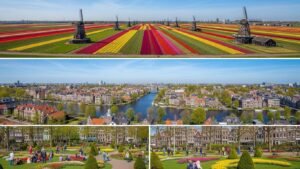
Amsterdam and Netherlands: Tulip season in April, canals and vibrant parks.
-
Rome and Florence: Comfortable temperatures, ideal for exploring historical sites.

Summer: Vibrant and Busy
Summer is the peak travel season in Europe, offering warmth, festivals, and outdoor activities, but it comes with challenges.
Advantages:
-
Long daylight hours allow more sightseeing each day.
-
Beaches in Spain, Italy, and Greece are at their best.
-
Outdoor festivals, music events, and cultural celebrations abound.
-
Ideal for outdoor dining, rooftop experiences, and vibrant street life.
Considerations:
-
High temperatures in southern Europe, particularly Spain, Italy, and Greece, can be intense.
-
Crowds in popular tourist destinations like Venice, Paris, and Barcelona.
-
Accommodation and flight prices peak during these months.
Summer Tips:
-
Visit coastal regions like the Amalfi Coast, Greek Islands, and the French Riviera.
-
Book attractions and accommodations well in advance.
-
Plan sightseeing early in the morning or late afternoon to avoid heat and crowds.
Autumn: Mild and Picturesque
Autumn is an underrated season for first-time travelers, offering a perfect balance between pleasant weather and fewer tourists.
Advantages:
-
Mild temperatures and colorful foliage enhance scenic landscapes.
-
Lower crowds at major attractions and historic sites.
-
Local harvest festivals provide authentic cultural experiences.
-
Fewer tourist crowds make for a relaxed pace and more intimate experiences.
Considerations:
-
Some northern destinations may experience early rain or cooler temperatures.
-
Beach activities in southern Europe may still be possible, but water temperatures may be cooler.
Suggested Autumn Destinations:
-
Tuscany, Italy: Vineyards and countryside tours during harvest season.
-
Bavaria, Germany: Oktoberfest in Munich and stunning alpine landscapes.
-
Lisbon and Porto, Portugal: Pleasant temperatures and fewer crowds.
Winter: A Different European Experience
Winter offers a unique experience in Europe, especially for travelers seeking festive activities and winter sports.
Advantages:
-
Christmas markets in Germany, Austria, and France create a magical atmosphere.
-
Winter sports in the Alps, Pyrenees, and Scandinavian countries.
-
Low crowds in cities like Rome, Paris, and London outside holiday periods.
-
Budget-friendly travel with lower accommodation and flight rates.
Considerations:
-
Cold temperatures in northern and central Europe require proper clothing.
-
Shorter daylight hours limit outdoor sightseeing.
-
Some attractions may have reduced hours or seasonal closures.
Winter Destinations:
-
Vienna, Austria: Famous Christmas markets and winter concerts.
-
Lapland, Finland: Northern lights and winter activities.
-
Prague and Budapest: Magical winter ambiance, cozy cafes, and historic streets.
Regional Considerations for First-Time Travelers
Europe is diverse, and the best time to visit often depends on the region:
-
Southern Europe (Spain, Italy, Greece, Portugal):
-
Best visited in spring or autumn to avoid extreme summer heat and crowds.
-
Ideal for beaches, historical sites, and outdoor dining.
-
-
Western Europe (France, Germany, Belgium, Netherlands):
-
Spring and autumn offer mild weather and manageable crowds.
-
Summer is popular but can be crowded in major cities and landmarks.
-
-
Northern Europe (Scandinavia, UK, Ireland):
-
Summer is best for longer daylight hours and comfortable temperatures.
-
Winter offers unique experiences like northern lights and festive events.
-
-
Eastern Europe (Czech Republic, Hungary, Poland, Croatia):
-
Spring and autumn provide optimal weather for sightseeing and city exploration.
-
Summer can be hot and crowded in tourist hubs.
-
Factors for First-Time Travelers to Consider
-
Travel Goals:
-
Sightseeing and cultural immersion → Spring or autumn
-
Beaches and festivals → Summer
-
Winter sports and holiday markets → Winter
-
-
Budget Considerations:
-
Peak summer and December holidays are expensive.
-
Spring and autumn often provide better value and fewer crowds.
-
-
Weather Preferences:
-
Warm, sunny weather → Southern Europe in late spring or summer
-
Mild temperatures and walking-friendly weather → Spring or autumn
-
Snow and winter experiences → Alps or northern Europe in winter
-
-
Crowd Levels:
-
Avoid peak summer months if you want a more relaxed, authentic experience.
-
Spring and autumn provide easier access to attractions and less stress while traveling.
-
Practical Tips for First-Time Travelers
-
Plan ahead: Book flights, accommodations, and popular attractions in advance.
-
Pack season-appropriate clothing: Layering is essential for spring, autumn, and winter.
-
Research local festivals: Align your visit with cultural events for a richer experience.
-
Use public transportation: Europe has excellent train and metro networks for city and regional travel.
-
Mix major cities with smaller towns: For a more authentic European experience, combine capitals with local villages.
Conclusion: Choosing the Best Time to Travel to Europe
For first-time visitors, the best time to travel to Europe depends on your priorities, weather preferences, and the experiences you seek:
-
Spring (March–May): Mild weather, blooming landscapes, fewer crowds, ideal for city and countryside exploration.
-
Summer (June–August): Warm weather, long days, beach trips, and festivals, but crowded and expensive.
-
Autumn (September–November): Comfortable temperatures, colorful scenery, cultural events, and fewer tourists.
-
Winter (December–February): Christmas markets, winter sports, low tourist density, and budget-friendly travel.
For a first-time European adventure, spring or autumn is often ideal, combining pleasant weather, fewer crowds, and diverse cultural experiences. Summer is perfect for beach lovers and festival enthusiasts, while winter offers a magical, festive atmosphere and winter sports opportunities.
Europe is a continent full of variety, and no matter when you visit, careful planning ensures that your first European journey is memorable, immersive, and full of unforgettable experiences. From iconic landmarks to hidden gems, from culinary delights to cultural festivals, Europe promises a first-time travel experience that will leave you eager to return.

Taylor Smith is a passionate traveler since the age of 19 and currently lives in the United States. At 40 years old, Taylor loves exploring new cultures, experiencing local cuisine, and discovering authentic places around the world. He is also a dedicated writer, sharing his travel experiences and tips on this blog to help others make the most of their journeys in a thoughtful and inspiring way.