
There is a specific, quiet thrill that comes with opening your laptop in a centuries-old plaza, the steam from a fresh espresso mingling with the morning mist of a foreign city. For years, the boundary between “home” and “away” was a rigid line, defined by the two weeks of vacation time we carefully hoarded each year. But the world has shifted. The office is no longer a destination; it’s a connection. As I sit here in a sun-drenched cafe, watching the world go by, I realize that being a digital nomad isn’t just about working from a beach—it’s about the art of integrating your professional life with your thirst for discovery.
[imagem1]
However, the “nomad life” isn’t always the polished version you see on social media. There are no filters for a failing Wi-Fi connection during a board meeting or the struggle of finding a quiet corner in a bustling European capital. Balancing work and wonder requires more than just a passport and a paycheck; it requires a new kind of discipline. Much like what I learned planning a trip for the first time, the transition to remote work on the road is a steep learning curve that demands patience, humor, and a very good pair of noise-canceling headphones.
The Myth of the Beach Office
Let’s address the elephant in the room: working from a beach is a terrible idea. The glare on the screen is blinding, the sand gets into your keyboard, and the lure of the ocean makes focusing on a spreadsheet nearly impossible. True digital nomadism in Europe is less about tropical shores and more about the “third spaces”—the libraries, the specialized co-working hubs, and the hidden cafes where the coffee is strong and the internet is stable.
Europe is uniquely suited for this lifestyle. You can spend your mornings working in a Gothic library in Prague and your afternoons wandering through a medieval castle. But the key to success is creating a “anchor.” Without a routine, the days bleed into each other, and you find yourself either working too much and missing the destination, or exploring too much and letting your deadlines slip. I’ve found that the most successful nomads are the ones who treat their work hours with the same reverence they treat their travel plans.
Choosing Your Base: Stability Over Sightseeing
When you are a nomad, your priorities for choosing a destination change. You aren’t just looking for the best monuments; you’re looking for “livability.” Does the city have a reliable public transit system? Is there a local market nearby? How is the community of other remote workers?
I often recommend starting in cities like Lisbon or Tallinn. These places have invested heavily in the infrastructure that nomads need. In Lisbon, for example, you have a perfect blend of historic charm and modern tech hubs. It reminds me of the balance I sought when exploring Lisbon in 5 days; you need that mix of history and functionality to feel grounded. If you choose a place solely for its “postcard” value, you might find that the daily logistics of living there are more stressful than they are worth.
The “Deep Work” Morning Ritual
My secret to balancing work and wonder is the “9-to-1” rule. I dedicate the hours from 9:00 AM to 1:00 PM to deep, uninterrupted work. No emails, no social media, just the heavy lifting. In Europe, this is often the quietest part of the day in the cafes, before the lunch crowd arrives. By knocking out my most important tasks early, I “buy” myself the afternoon to explore.
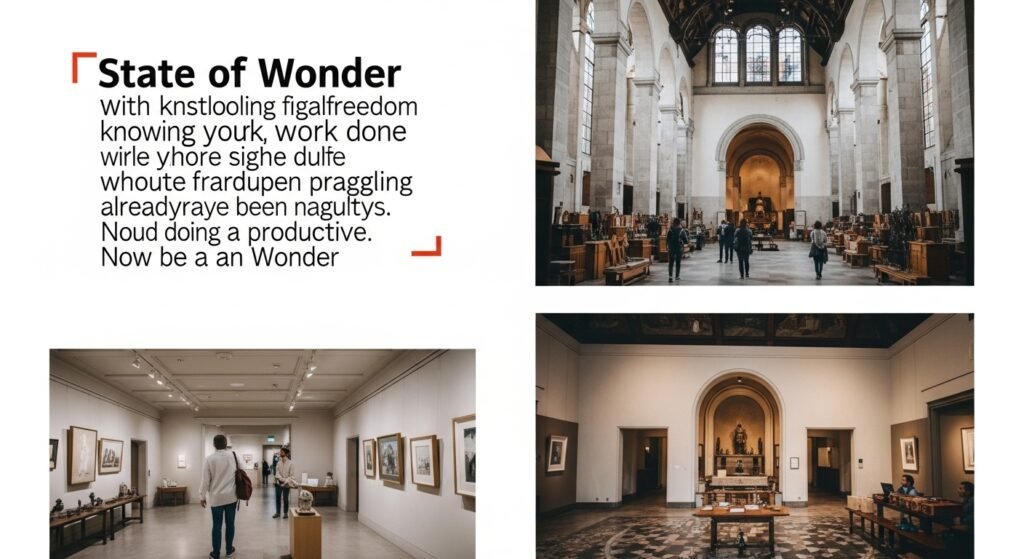
There is a psychological freedom that comes with knowing your work is done while the sun is still high in the sky. It allows you to wander through a museum or hike a trail without the nagging guilt that you should be “doing something productive.” You’ve already been productive. Now, you are allowed to be a traveler. This separation of “State of Work” and “State of Wonder” is the only way to prevent the burnout that many nomads experience after six months on the road.
Logistics: The Unsung Hero of Nomadism
We don’t talk enough about the boring stuff: taxes, visas, and health insurance. Being a digital nomad in Europe means navigating a patchwork of regulations. Thankfully, many countries—from Portugal to Greece—have introduced “Digital Nomad Visas” that make it legal to live and work locally for a year or more.
Investing in a high-quality global SIM card and a portable power bank is non-negotiable. I’ve been in situations where a sudden power outage in a small village nearly cost me a client. You have to be your own IT department. You also have to be your own travel agent. This level of self-reliance is a muscle that grows stronger with time. It teaches you a kind of resilience that stays with you long after you’ve returned home.
The Loneliness Factor and Building Community
Perhaps the greatest challenge of the nomad life is the lack of a “tribe.” When you are constantly moving, you miss the deep, long-term connections of a home office. This is why co-working spaces are so vital. They aren’t just for the Wi-Fi; they are for the human connection.
I make it a point to attend local “Nomad Meetups” or join Facebook groups for remote workers in whatever city I’m in. You’ll meet people from all over the world who are facing the same challenges you are. These shared experiences—the frustration of a lost baggage or the joy of finding a hidden tapas bar—are what turn a lonely trip into a shared adventure. Being a nomad doesn’t mean you have to be a loner; it just means you have to be more intentional about making friends.
The Art of “Slow Nomadism”
If there is one piece of advice I can give to anyone starting this journey, it’s this: stay longer. Many people try to change cities every week, treating their nomad life like a high-speed tour. This is a recipe for exhaustion.
When you stay in a city for a month instead of a week, the pressure to “see everything” vanishes. You stop being a tourist and start being a resident. You find your favorite bakery, you learn the name of the barista, and you start to understand the soul of the place. You have the time to work effectively because you aren’t constantly worried about the next train or the next check-in. Slowing down isn’t just better for your work; it’s better for your soul.
Bringing the Wonder Back to the Work
Ultimately, the goal of the digital nomad manual is to remind us that work doesn’t have to be the enemy of wonder. In fact, they can fuel each other. The inspiration you find in a Roman ruin or a Parisian gallery can make you more creative in your professional life. The discipline you learn from your work can make you a more organized and capable traveler.

As I close my laptop for the day and watch the sunset over the terracotta roofs, I feel a profound sense of gratitude. I haven’t just finished a workday; I’ve lived a day. And in this new world where the office is wherever we choose to be, that is the greatest balance of all.
Being a digital nomad in Europe is a privilege, a challenge, and a constant lesson in adaptability. It’s about realizing that the world is too big to be seen in just two weeks a year, and our lives are too short to be spent in a cubicle. If you are willing to embrace the logistics, the loneliness, and the occasional slow Wi-Fi, the reward is a life where every Monday feels like a new beginning.
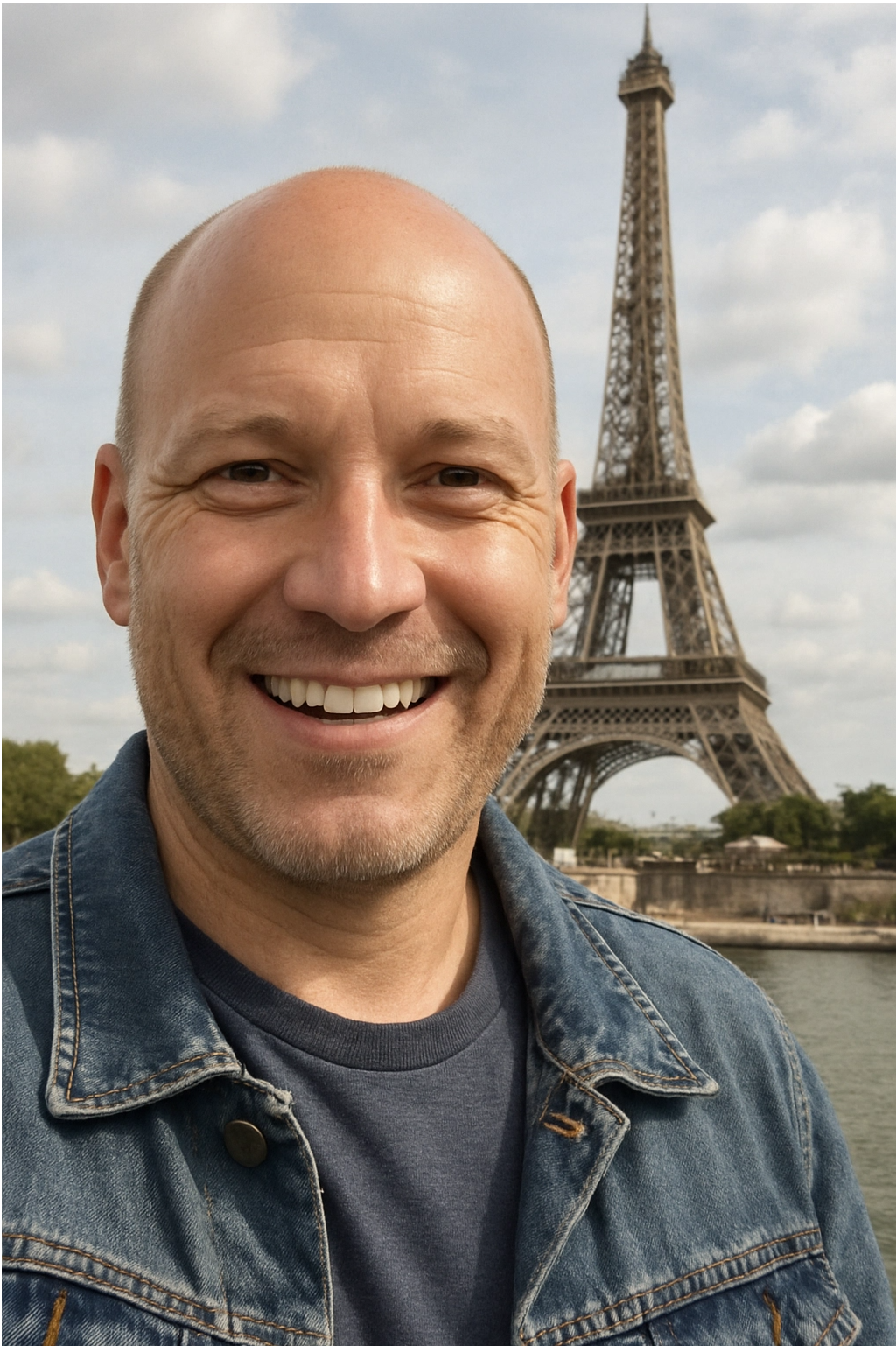
Taylor Smith is a passionate traveler since the age of 19 and currently lives in the United States. At 40 years old, Taylor loves exploring new cultures, experiencing local cuisine, and discovering authentic places around the world. He is also a dedicated writer, sharing his travel experiences and tips on this blog to help others make the most of their journeys in a thoughtful and inspiring way.