
Rome. The Eternal City. It’s a place where history isn’t just in museums; it’s in the cobblestones, the ruins, and perhaps most profoundly, in the food. For many travelers, Italian cuisine means pizza and a generic pasta dish. But to eat in Rome is to participate in a centuries-old cultural ritual, a deep dive into the city’s soul that is far more complex and rewarding than any tourist menu suggests. My journey into Roman gastronomy was a quest to move beyond the clichés and taste the real, unvarnished history of the city.
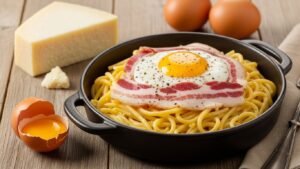
The foundation of Roman cooking, or cucina romana, is a testament to ingenuity and necessity. It was historically the food of the poor, the shepherds, and the working class, built on simple, readily available ingredients. This is why the most iconic dishes are so deceptively simple, relying on the quality of a few key components: pecorino romano cheese, black pepper, guanciale (cured pork cheek), and eggs. Each dish tells a story of resourcefulness, a narrative of a people who knew how to turn humble ingredients into something extraordinary.
IMAGEM2
The four pillars of Roman pasta are the best place to start this cultural education. There is Cacio e Pepe, the purest expression of Roman cooking, a creamy emulsion of cheese, pepper, and pasta water. Then there is Gricia, which adds the salty, savory depth of guanciale. Amatriciana brings in the sweet acidity of tomato, and finally, Carbonara introduces the richness of egg yolk. These aren’t just recipes; they are a family tree, a progression of flavors that define the region. To understand one is to understand them all, and to taste them in Rome is to taste history.
If you are planning a trip to the Eternal City, you might find it helpful to combine your culinary exploration with a broader itinerary. You can check out my article on What to Do in 2 Days in Rome: Experiences Beyond the Obvious for tips on balancing your time between the historical sites and the authentic local experiences.
Beyond the Pasta: The Fifth Quarter and Street Food
To truly grasp the Roman culinary spirit, you must venture into the realm of the quinto quarto, or the “fifth quarter”—the offal and less-desirable cuts of meat that the wealthy left to the butchers’ families. Dishes like Coda alla Vaccinara (oxtail stew) and Trippa alla Romana (tripe cooked in tomato sauce) are not for the faint of heart, but they are the most honest reflection of Roman tradition. They are slow-cooked, deeply flavorful, and represent the Roman commitment to wasting nothing. Eating them is a sign of respect for the city’s heritage.
The Roman street food scene is another vital cultural window. Forget the slices of tourist pizza; the real star is the Supplì. These are fried rice balls, similar to Sicilian arancini, but with a Roman twist: they are filled with tomato-sauce-coated rice and a core of melting mozzarella. The name comes from the French word “surprise,” because when you break one open, the mozzarella stretches like a telephone wire. They are the perfect snack, a quick, affordable taste of Roman comfort.
Another essential Roman experience is the Carciofi. Depending on the season, you’ll find them prepared in two classic ways. Carciofi alla Romana are braised with mint and garlic until tender, a delicate, herbaceous dish. Carciofi alla Giudia (Jewish-style artichokes) are deep-fried until they bloom like a flower and are shatteringly crisp. This dish is a beautiful example of the deep, historical influence of the Jewish Ghetto on Roman cuisine, a cultural fusion that has enriched the city’s table for centuries.
The ritual of eating is as important as the food itself. Romans adhere to a strict, almost religious schedule: colazione (breakfast) is small and sweet, pranzo (lunch) is the main meal, and cena (dinner) is later and lighter. There are even traditional dishes for specific days of the week, like Gnocchi on Thursday and Trippa on Saturday. This adherence to tradition is what keeps the culture alive, a beautiful, edible calendar.
Finding these authentic culinary experiences requires a bit of effort and a willingness to step off the main streets. It means looking for the trattorias and osterias where the menu is written only in Italian and the patrons are speaking the local dialect. If you are serious about finding these hidden gems, you might want to read my guide on How to Choose Restaurants That Locals Really Frequent. It’s a skill that will serve you well in Rome and beyond.
The Sweet Finish and the Espresso Ritual
No Roman meal is complete without a sweet finish and the sacred ritual of the caffè. While Tiramisu is a global favorite, seek out the Maritozzo, a sweet, soft bun sliced open and generously filled with fresh whipped cream. It’s a simple, comforting pastry that is often enjoyed for breakfast or as a mid-afternoon treat. It’s a taste of pure, unpretentious Roman sweetness.
The final act is the espresso, taken standing at the bar, quickly and intensely. It’s not a leisurely affair; it’s a shot of energy, a punctuation mark at the end of the meal. This quick, efficient ritual perfectly encapsulates the Roman spirit: passionate, focused, and always ready for the next thing. To drink your espresso standing is to momentarily become a part of the Roman rhythm, a small, perfect moment of cultural immersion.
To truly understand Rome is to understand its table. It’s a cuisine built on respect for ingredients, a deep sense of history, and a commitment to tradition. It’s a culture that values the simple, the honest, and the shared experience of a meal. By exploring the four classic pastas, the quinto quarto, and the street food, you don’t just eat well; you connect with the heart of the Eternal City.


Taylor Smith is a passionate traveler since the age of 19 and currently lives in the United States. At 40 years old, Taylor loves exploring new cultures, experiencing local cuisine, and discovering authentic places around the world. He is also a dedicated writer, sharing his travel experiences and tips on this blog to help others make the most of their journeys in a thoughtful and inspiring way.