
When you hold a warm cup of coffee in your hands, it is easy to forget that you are consuming the seed of a tropical fruit. That liquid gold is the result of a long, perilous, and incredibly complex journey that spans continents and involves hundreds of hands. From the moment a seed is planted in the volcanic soil of a high-altitude farm to the second it is loaded onto a shipping container, the “Journey of a Bean” is a miracle of agriculture and logistics. Understanding this process is not just for professionals; it is for every enthusiast who wants to appreciate the true value of what they drink every morning.
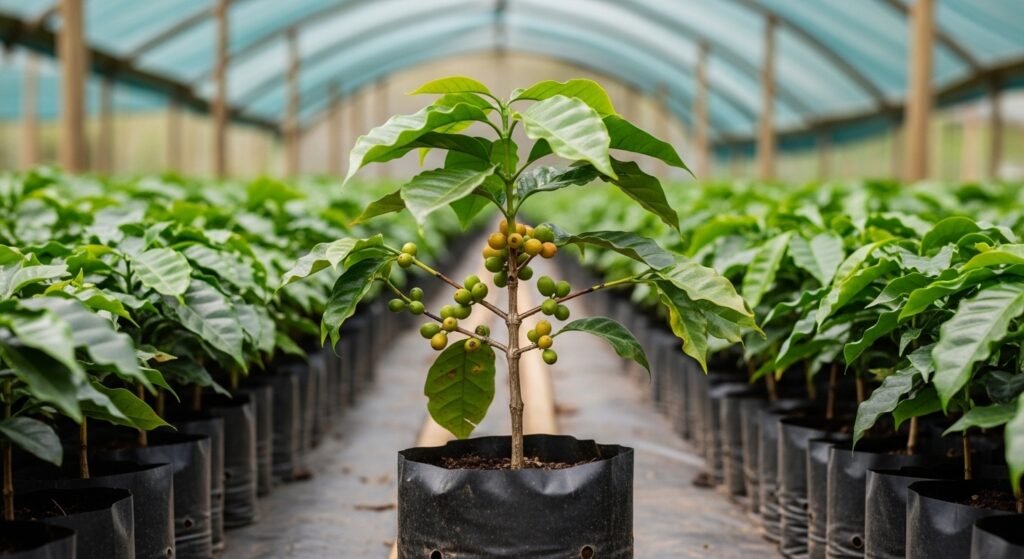
The story begins in a nursery, where the highest quality coffee seeds are carefully selected. Coffee plants are delicate, requiring specific conditions of shade, moisture, and temperature to thrive. For the first few months of its life, a coffee seedling is pampered in a protected environment, shielded from the harsh sun and pests. It takes about three to four years for a coffee tree to reach maturity and produce its first harvest of “cherries.” This long waiting period is a testament to the patience required by farmers who dedicate their lives to this craft.
The Miracle of the Harvest: Timing is Everything
Once the trees are mature, the harvest season begins. In the world of specialty coffee, this is where the quality is truly defined. Unlike commercial coffee, which often uses mechanical harvesters that strip everything from the branch (ripe, unripe, and overripe fruit), specialty coffee relies heavily on “selective picking.” This means that workers go through the plantation multiple times, picking only the cherries that have reached the perfect shade of deep red or yellow.
This labor-intensive process is crucial because a single unripe green bean can ruin the flavor of an entire batch, introducing a sour, metallic taste. The harvest is a race against time and nature. Farmers must balance the sugar content of the fruit (measured as Brix) with the impending weather patterns. Once the cherries are picked, they are heavy, full of water, and highly perishable. They must be transported to the processing station, or “wet mill,” within hours to prevent unwanted fermentation that could lead to moldy or “off” flavors.
Processing: The Art of Flavor Development
At the mill, the journey takes a turn into the realm of chemistry. The farmer must decide how to remove the fruit from the seed, and this decision will drastically change the flavor profile of the final cup. There are three primary methods: Washed, Natural, and Honey. In the Washed process, the fruit is completely removed by a pulper and then fermented in water tanks to break down the sticky mucilage. This method results in a “clean” cup that highlights the bean’s inherent acidity and floral notes.
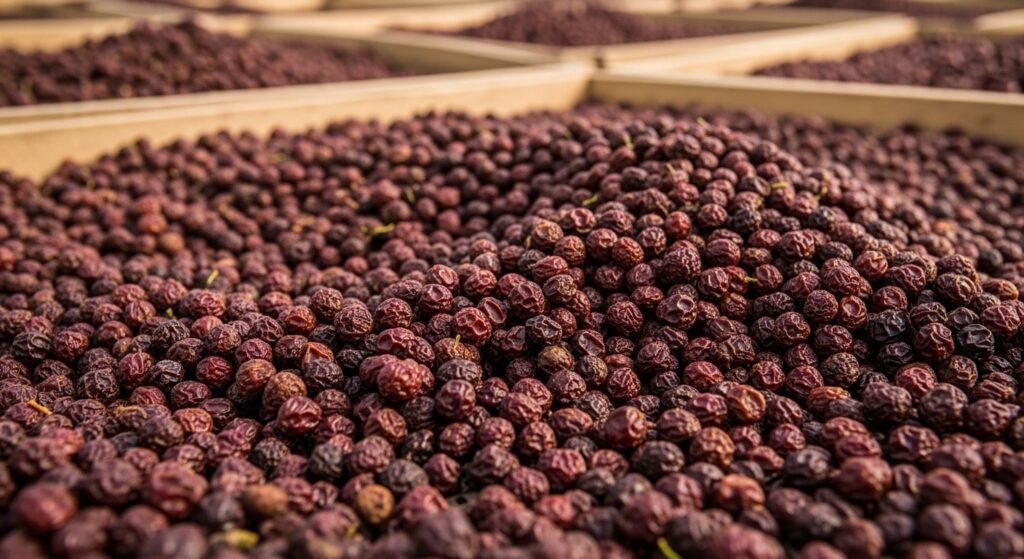
In the Natural process, the cherries are dried whole, with the fruit still intact around the seed. This is an ancient method that requires constant turning on “raised beds” to ensure even drying. Because the seed stays in contact with the fruit for weeks, it absorbs intense sweetness and heavy body, often resulting in notes of dried berries, wine, and tropical fruits. The Honey process is the middle ground, where the skin is removed but some of the sticky fruit (the “honey”) is left on the bean during drying. Each method requires incredible precision and monitoring of humidity levels to ensure the beans reach the “golden” moisture content of 10% to 12%.
The Dry Mill and the Quest for Perfection
After the beans are dried, they are known as “parchment coffee” because they are still encased in a protective papery skin. They must rest for a period of weeks in cool warehouses to stabilize their moisture and flavor. This resting phase, or reposo, is vital for the longevity of the coffee. If shipped too early, the coffee will age quickly and lose its vibrancy. Once rested, the coffee moves to the “dry mill,” where the parchment is mechanically removed, revealing the “green coffee” bean we recognize.
The dry mill is also where the most rigorous quality control happens. The beans are sorted by size using large vibrating screens and then passed through optical sorters that use high-speed cameras to “shoot” out any discolored or defective beans. In many regions, this is still supplemented by hand-sorting, where rows of experts examine the beans on conveyor belts. They are looking for “primary defects” like black beans or sour beans that could disqualify the lot from being labeled as “Specialty Grade.” Only the survivors of this intense scrutiny are bagged in grain-pro liners (to protect against moisture) and then placed into traditional jute sacks.
Exporting: The Logistics of the Global Bean
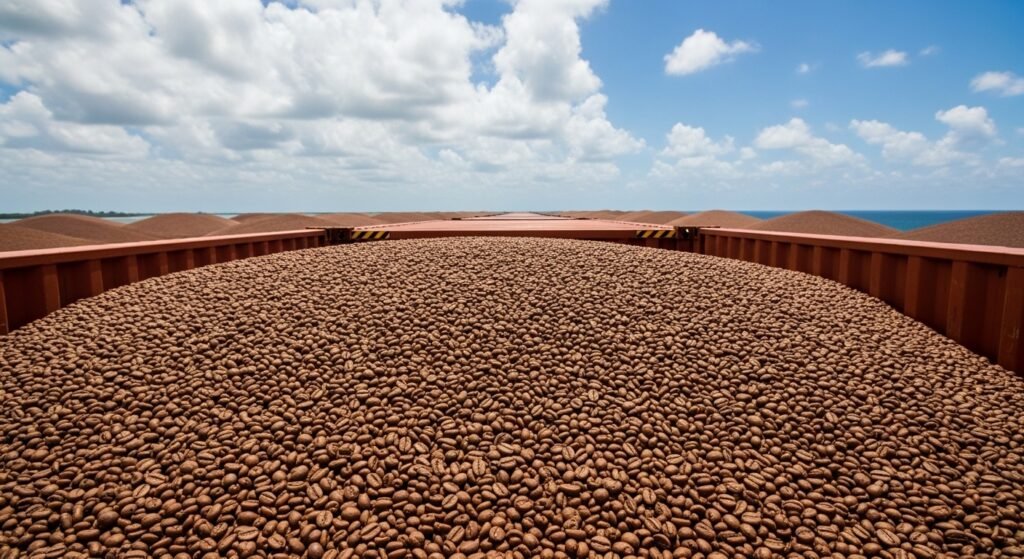
The final stage of the origin journey is the export. Coffee is one of the most traded commodities in the world, and its movement is a massive logistical feat. The green coffee is hauled from mountain farms to coastal ports, where it is loaded into 20-foot shipping containers. A single container can hold up to 320 sacks of coffee, representing the entire year’s work for multiple small-scale farmers.
During the ocean voyage, which can last from two weeks to two months, the coffee is at the mercy of the elements. “Container sweat” (condensation caused by temperature changes) can ruin an entire shipment. This is why specialty importers pay extra for ventilated containers or specialized liners. When the coffee finally arrives at the port of the consuming country, it must pass through customs and agricultural inspections before finally reaching the roaster’s warehouse. The bean that started as a tiny seedling in a tropical nursery has now traveled halfway across the globe, ready to be roasted, ground, and brewed.
Conclusion: A Respect for the Origin
When we understand the journey of the bean, we stop complaining about the price of a bag of specialty coffee. We begin to see that the price reflects the thousands of hours of manual labor, the risks taken by farmers against climate change, and the scientific precision of the processing mill. Every step of this journey is an opportunity for quality to be lost; it takes a true commitment to excellence at every stage to ensure that the quality is preserved.
The next time you enjoy a cup of coffee, take a moment to think about the selective pickers in the mountains of Colombia, the mill workers in Ethiopia, and the logistics experts who moved those beans across the sea. The journey from seed to export is a testament to human ingenuity and the global community’s love for a perfect cup of coffee. By choosing specialty coffee, you are supporting this entire chain of quality and ensuring that this incredible journey can continue for generations to come.

Kevin Smith is deeply interested in the craft and culture of coffee, with practical experience exploring specialty beans, brewing techniques, and flavor development. Over the years, he has spent time studying preparation methods, observing extraction processes, and understanding how small details influence the final cup.
Through NovaWeHub, Kevin shares clear, practical, and research-based insights designed to make coffee knowledge approachable for everyone — from beginners to enthusiasts. His focus is on simplifying complex concepts and encouraging readers to explore coffee with curiosity, confidence, and a more refined sensory awareness.