
For a long time, “decaf” was a dirty word in the specialty coffee industry. It was often associated with stale, chemically-tasting beans that were a byproduct of industrial processes. However, in the modern “sensory laboratory,” decaffeinated coffee is undergoing a massive prestige revolution. Today, you can find high-altitude Colombian Geishas and fruity Ethiopian lots that have had their caffeine removed while preserving 99% of their original flavor notes.
The challenge of decaffeination is a feat of chemical engineering. Caffeine is just one of over 800 compounds within a coffee bean. The goal is to selectively target and remove the caffeine molecule without stripping away the sugars, acids, and lipids that define a coffee’s terroir. In this guide, we will explore the three primary scientific methods used to decaffeinate coffee and how you can ensure your decaf cup still offers a world-class sensory experience.
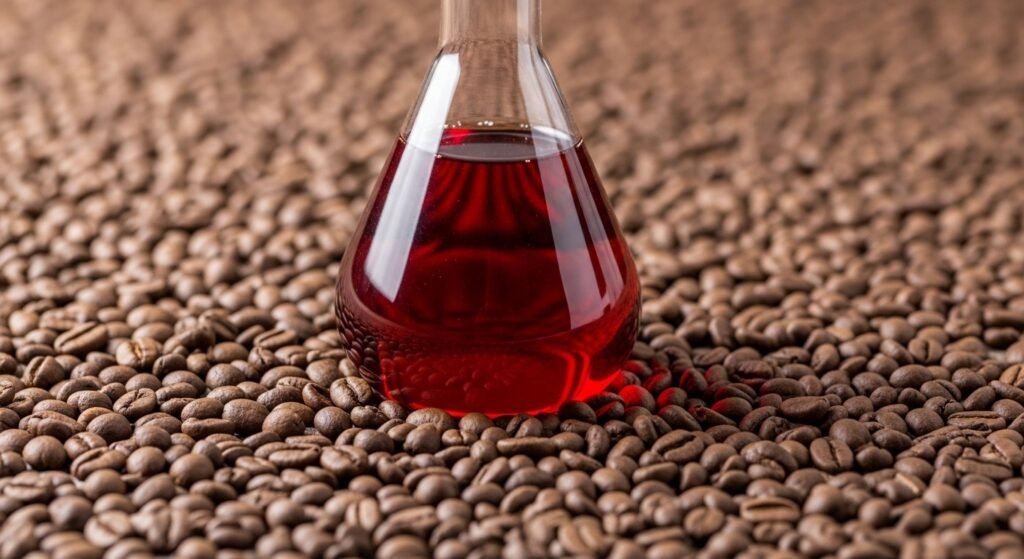
The Solvent Methods: Ethyl Acetate and Methylene Chloride
The most common way to decaffeinate coffee involves using a solvent. In this process, the green (unroasted) coffee beans are steamed to open their pores and then soaked in a solvent that bonds specifically to caffeine.
-
Ethyl Acetate (The “Sugar Cane” Process): This is the darling of the specialty world. Ethyl Acetate is a natural compound found in ripening fruits and is often derived from fermented sugar cane in countries like Colombia. Because it uses a natural byproduct, it is often marketed as the “Natural Process.” It is incredibly effective at preserving the body and mouthfeel of the coffee, often adding a slight fruity sweetness to the final aftertaste.
-
Methylene Chloride: While highly effective at leaving the coffee flavors intact, this method uses a synthetic solvent. Although the solvent is completely removed during the roasting process (it evaporates at a very low temperature), many health-conscious consumers prefer the sugar cane or water-based alternatives.
The Swiss Water Process: The Power of Solubility
For those who want a completely chemical-free experience, the Swiss Water Process (SWP) is the gold standard. This method relies on two things we talk about constantly on the barista’s bench: solubility and water quality.
The process begins by creating “Green Coffee Extract” (GCE). They soak a batch of beans in hot water, extracting all the caffeine AND all the flavors. This initial batch of beans is discarded. The GCE is then passed through a carbon filter that is sized specifically to trap caffeine molecules but allow flavor molecules to pass through. Now, you have water that is “saturated” with coffee flavors but has zero caffeine.
When a new batch of green beans is soaked in this flavor-saturated GCE, the caffeine migrates out of the beans (seeking equilibrium), but the flavor molecules stay put because the water is already “full” of them. It is a brilliant display of osmosis that protects the intrinsic characteristics of the bean.
The Carbon Dioxide (CO2) Method
The CO2 method is a high-tech approach often used for larger specialty lots. It uses “supercritical” carbon dioxide—a state where CO2 acts as both a gas and a liquid. Under high pressure, the CO2 acts as a selective solvent for caffeine.
This method is highly efficient and keeps the acid vs. bitter balance very stable. Because it doesn’t involve high heat or aggressive chemicals, the journey of the bean from seed to export remains uncompromised, allowing the final roast to shine as if it were a regular caffeinated coffee.
Roasting and Brewing Decaf: The Barista’s Challenge
Decaffeinated beans behave differently in the roaster and on the barista’s bench. Because the decaffeination process slightly alters the cellular structure of the bean, decaf coffee often looks darker than it actually is and roasts much faster.
When calibrating your espresso with decaf, you may notice it requires a finer grind size. The lack of caffeine makes the beans more brittle, which can affect the flow rate. However, if your equipment is well-maintained, a decaf shot can produce a crema just as rich as any Brazilian natural.
Decaf is also an excellent candidate for cold brew experiments. Since the caffeine is already gone, you can enjoy the deep, chocolatey notes of a long-steeped cold brew late in the evening without worrying about your sleep cycle.
The Sensory Gap: Can You Taste the Difference?
In blind cupping sessions, even professional tasters sometimes struggle to identify a high-quality decaf. The key is freshness. Because the decaffeination process makes the bean more porous, decaf coffee can oxidize (go stale) faster than regular coffee.
If you store your decaf properly and grind it fresh, the aftertaste and flavor notes will be indistinguishable from its caffeinated cousins. This is the ultimate goal of the “sensory laboratory”: to make the coffee experience accessible to everyone, regardless of their caffeine tolerance.
Conclusion: Decaf Deserves a Place on Your Shelf
The science of decaf has come a long way from the chemical-heavy processes of the past. Whether through the sugar cane method, the Swiss Water Process, or CO2 extraction, we now have the technology to respect the terroir of the coffee while removing the stimulant.
For the lover of the “drink laboratory,” decaf offers a unique opportunity. It allows us to enjoy the complexity of a modern Carajillo or a Coffee Old Fashioned at midnight. It is a testament to our obsession with flavor that we have spent decades perfecting the art of removing a single molecule while keeping the soul of the bean intact. So, don’t be afraid to explore the world of decaf—your palate (and your sleep) will thank you.

Kevin Smith is deeply interested in the craft and culture of coffee, with practical experience exploring specialty beans, brewing techniques, and flavor development. Over the years, he has spent time studying preparation methods, observing extraction processes, and understanding how small details influence the final cup.
Through NovaWeHub, Kevin shares clear, practical, and research-based insights designed to make coffee knowledge approachable for everyone — from beginners to enthusiasts. His focus is on simplifying complex concepts and encouraging readers to explore coffee with curiosity, confidence, and a more refined sensory awareness.