
Discussions about specialty coffee often highlight regions such as the mountainous landscapes of Colombia or the volcanic terrains of Central America. Yet, an equally important and historically influential part of global coffee production can be found across Asia. The region plays a major role in the industry, contributing distinctive coffees that differ significantly from the bright and floral characteristics commonly associated with many African origins.
Asian coffee-producing countries are known for developing flavor profiles that emphasize depth, body, and earthy complexity. These characteristics reflect unique growing environments, traditional processing methods, and long-standing cultivation practices that continue to shape the diversity of coffee enjoyed around the world today.
The spirit of Asian coffee—specifically from Vietnam and Indonesia—is defined by its depth, its intensity, and its wild, earthy characteristics. These are coffees that demand attention. They don’t whisper with delicate floral aromas; they shout with notes of cedar, tobacco, dark chocolate, and spice. To understand the global journey of the bean, we must explore the unique “Giling Basah” processing of Sumatra and the Robusta revolution that has made Vietnam the second-largest producer in the world.
Vietnam: The Robusta Giant and the New Specialty Wave
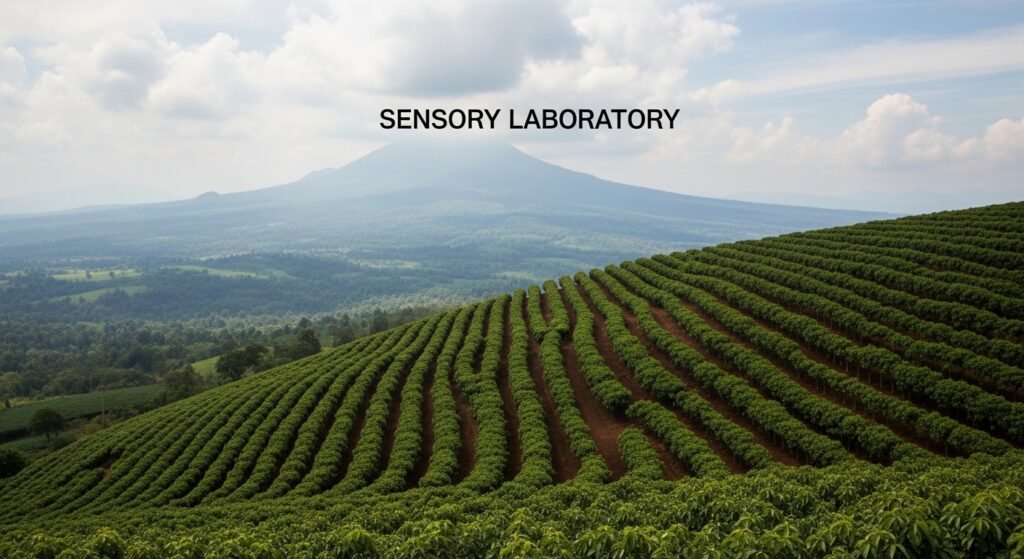
Vietnam is the undisputed king of Robusta. For decades, the global industry relied on Vietnam to provide the high-caffeine, high-crema base for espresso blends and instant coffee. The terroir of the Central Highlands, with its red basalt soil, is perfect for the hardy Robusta plant.
However, the “Spirit of Asia” is evolving. Vietnam is now making significant strides in specialty coffee, both in high-quality Robusta (Fine Robusta) and Arabica. Vietnamese coffee is characterized by an incredibly heavy body and mouthfeel. When you brew Vietnamese coffee, you are met with a syrupy texture that cuts through milk effortlessly. This is why the traditional Vietnamese “Phin” filter, paired with condensed milk, has become a global cultural phenomenon. It isn’t just a drink; it’s a masterclass in how bitterness can be balanced with intense sweetness.
Indonesia: The Magic of “Giling Basah”
If Vietnam is about volume and intensity, Indonesia is about mystery and processing innovation. Indonesia is a sprawling archipelago, and each island—Sumatra, Java, Sulawesi, Bali—produces a distinct profile.
The most iconic Indonesian coffee comes from Sumatra and is defined by a unique processing method called Giling Basah (Wet Hulling). In most parts of the world, coffee is dried until it reaches 10-12% moisture before the parchment is removed. In Sumatra, the parchment is removed while the beans are still at 30-50% moisture. This exposure to the humid tropical air during the early stages of drying creates the signature Sumatran profile: low acidity, massive body, and deep “forest floor” notes of moss, wood, and spice.
The Chemistry of Asian Bitterness
In our sensory lab investigations, we often categorize Asian coffees as “low acidity.” Chemically, these beans have a higher concentration of certain minerals and a different organic acid structure compared to Latin American beans.
Because of this low acidity and high body, Indonesian and Vietnamese coffees are the preferred choice for those who find high-altitude Arabicas too “sour.” They offer a grounded acid vs. bitter balance that feels “savory” rather than “fruity.” This makes them exceptional candidates for espresso calibration, where they contribute a thick, stable crema and a lingering, chocolatey finish.

Exploring the Island Profiles
-
Sumatra: Famous for Mandheling and Gayo profiles. Expect heavy body and herbal, earthy complexity.
-
Java: Historically so significant that “Java” became a synonym for coffee. These coffees are often “aged” or monsooned, leading to a very mellow, low-acid profile with woody notes.
-
Sulawesi: Known for the Toraja region, these beans are often cleaner than Sumatran lots but maintain that distinct Asian spiciness and nuttiness.
-
Bali: Often produced in the Kintamani highlands, Balinese coffee frequently features citrus notes due to being inter-cropped with orange and tangerine trees—a rare bright spot in the generally dark Asian landscape.
Brewing the Spirit of Asia
To get the most out of these bold beans, you must adjust your technique on the barista’s bench.
-
Full Immersion: The French Press is the ideal tool for Indonesian coffee. The long contact time and metal filter allow the oils and heavy body to shine.
-
The AeroPress: Use the AeroPress to create a concentrated “moka-style” brew that highlights the dark chocolate notes of a Vietnamese Arabica.
-
Milk-Based Drinks: Asian coffees are the undisputed champions of the latte and cappuccino. Their intense flavors aren’t “drowned” by milk; instead, the milk highlights the caramel and nutty notes of the beans.

Conclusion: The Anchor of the Coffee World
Asian coffee provides the “earth” to the specialty world’s “fire.” While we celebrate the bright and acidic, we must respect the deep and resonant. Vietnam and Indonesia offer a history of resilience and a unique approach to processing that challenges our western palates.
Whether you are enjoying the herbal mystery of a Sumatran Giling Basah or the high-caffeine kick of a Vietnamese Phin, you are experiencing a vital part of the global coffee tapestry. These coffees remind us that the sensory experience is vast, and there is beauty in the shadows, the smoke, and the spice of the East.

Kevin Smith is deeply interested in the craft and culture of coffee, with practical experience exploring specialty beans, brewing techniques, and flavor development. Over the years, he has spent time studying preparation methods, observing extraction processes, and understanding how small details influence the final cup.
Through NovaWeHub, Kevin shares clear, practical, and research-based insights designed to make coffee knowledge approachable for everyone — from beginners to enthusiasts. His focus is on simplifying complex concepts and encouraging readers to explore coffee with curiosity, confidence, and a more refined sensory awareness.