
Classic cocktails often invite a closer look, and the Espresso Martini is no exception. Originally created by Dick Bradsell in the 1980s, it was meant to provide a jolt of energy followed by indulgence—a drink defined by intensity and purpose.
With the evolution of the specialty coffee movement, the approach to the Coffee Martini has become more refined. Modern interpretations focus on highlighting the unique characteristics of the coffee bean, rather than relying on heavy syrups to mask generic bitterness. The goal is now to create a balanced and nuanced sensory experience that honors both the spirit and the coffee it contains.
The evolution of the Coffee Martini involves a shift from simple mixology to liquid engineering. We must consider the water quality used in the ice, the molecular structure of the crema, and the specific acid vs. bitter balance of the coffee component. This is no longer just a cocktail; it is a showcase for the journey of the bean in a chilled, alcoholic format.
The Foundation: Espresso vs. Concentrates
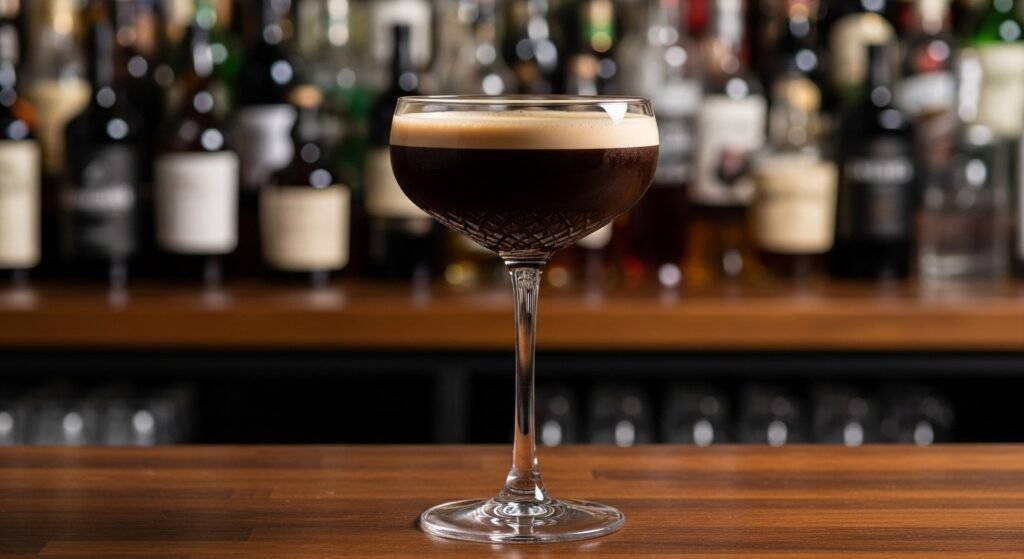
The traditional recipe calls for a fresh shot of espresso. From a chemical perspective, this introduces a fascinating variable: the crema. Crema is an emulsion of CO2 and coffee oils that provides the drink’s signature frothy head. However, using hot espresso in a cold shaker creates “thermal shock,” which can cause the ice to melt too rapidly, leading to over-dilution.
In our “drink laboratory,” we are experimenting with alternatives:
-
The Flash-Chilled Espresso: Pulling a shot directly onto a single, small ice cube to drop the temperature instantly without losing the aromatic volatiles.
-
The Cold Brew Concentrate: Using a high-strength Cold Brew. This offers a much smoother, chocolatey profile and total temperature control, though it lacks the natural “foam” of an espresso-based build.
-
The AeroPress “Faux-spresso”: Using the AeroPress protocol to create a concentrated, textured liquid that mimics the intensity of espresso but with the clarity of a filter coffee.
The Spirit Selection: Neutrality vs. Character
The classic Martini uses Vodka as a neutral canvas. But in the “Sensory Laboratory,” we ask: Why use a canvas when you can use a catalyst?
-
Vodka: Best for highlighting a delicate, floral Ethiopian coffee. It gets out of the way and lets the jasmine and citrus notes shine.
-
Aged Rum: The molasses and oak notes of a 5-year-old rum pair perfectly with the chocolatey Brazilian Sul de Minas. This creates a “darker,” more dessert-like cocktail.
-
Cognac: If your coffee has a high “winey” acidity (like a Kenyan lot), Cognac provides a grape-based backbone that amplifies the complexity of the fruit.
The Science of the Shake: Texture and Dilution
The “Martini” part of the name implies a certain texture. When you shake a Coffee Martini, you are performing a mechanical emulsification. The proteins and fats in the coffee (and the sugars in the liqueur) trap air bubbles.
To achieve the “Wet Paint” foam:
-
The Dry Shake: Shake the ingredients without ice first to build the foam structure.
-
The Wet Shake: Add large, “hard” ice cubes (made from filtered water to maintain water quality) and shake vigorously for 10-12 seconds. This chills the drink and provides the necessary dilution to open up the aromas.
[Image showing the anatomy of a shaken cocktail, illustrating the layer of microfoam, the body, and the sediment]
Beyond Sugar: Balancing the Sweetness
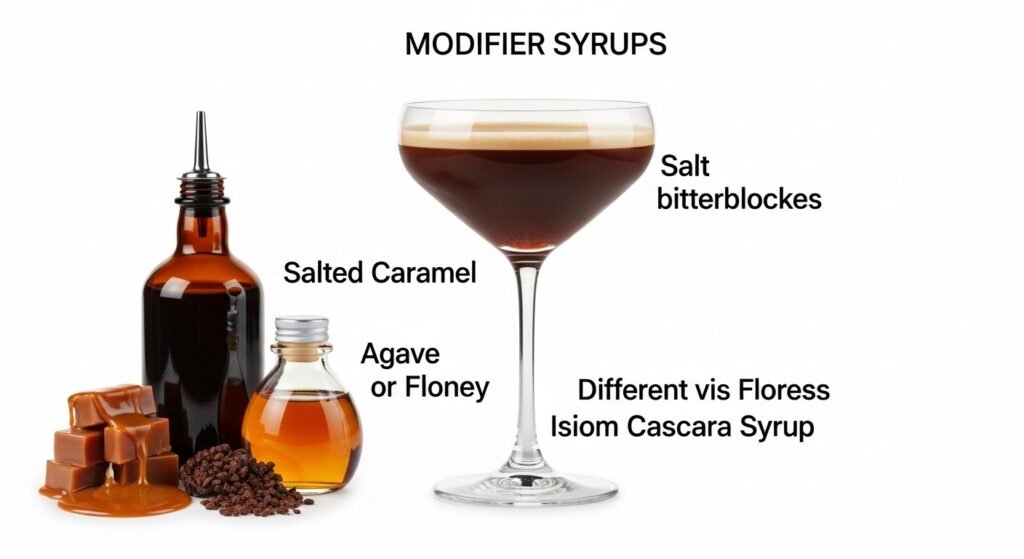
The biggest flaw in many Coffee Martinis is excessive sweetness. In the lab, we use “Modifier Syrups.” Instead of simple sugar syrup, we use:
-
Salted Caramel: Salt acts as a “bitter-blocker,” reducing the perception of ashiness in the coffee and making the sweetness pop.
-
Agave or Honey: These provide different viscosities and “floral” sweetness that can match the origin of the coffee.
-
Cascara Syrup: Using a syrup made from the dried skins of the coffee cherry. This creates a “full-circle” cocktail, where every ingredient comes from the coffee plant.
Sensory Analysis: Temperature and Glassware
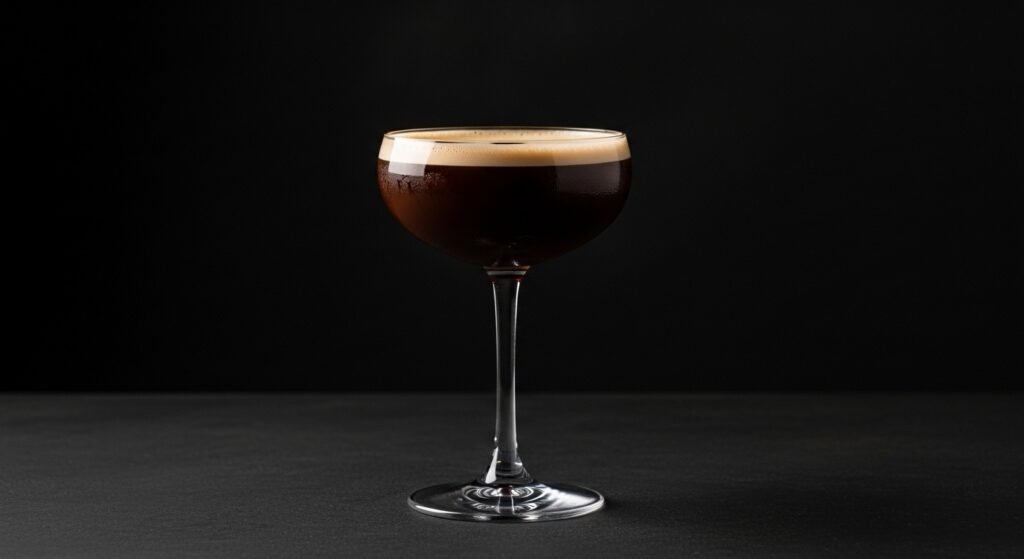
The psychology of taste tells us that we perceive flavors differently as they warm up. A Coffee Martini should be served in a chilled Coupe or Nick & Nora glass. The stem prevents your hand from warming the liquid.
As you sip the drink, notice how the flavors change.
-
Phase 1 (Ice Cold): You will mostly perceive the texture of the foam and the “burn” of the alcohol.
-
Phase 2 (Cool): The primary coffee notes (chocolate, nut, or fruit) begin to emerge.
-
Phase 3 (Room Temp): The aftertaste becomes dominant. If the coffee was over-extracted on the barista’s bench, this is where the bitterness will become unpleasant.
Conclusion: The New Standard
The evolution of the Coffee Martini is a move toward transparency. It is about treating coffee as a “noble ingredient” rather than a flavoring agent. By controlling the science of extraction, selecting spirits that complement the terroir, and managing the physics of the shake, we transform a simple cocktail into a sophisticated sensory experiment.
Whether you prefer the classic vodka-espresso build or a modern rum-cold-brew hybrid, remember that the secret is in the details. Respect the foam, balance the sugar, and always use the best coffee the “Sensory Laboratory” has to offer. The night is young, and the science of the drink is infinite.

Kevin Smith is deeply interested in the craft and culture of coffee, with practical experience exploring specialty beans, brewing techniques, and flavor development. Over the years, he has spent time studying preparation methods, observing extraction processes, and understanding how small details influence the final cup.
Through NovaWeHub, Kevin shares clear, practical, and research-based insights designed to make coffee knowledge approachable for everyone — from beginners to enthusiasts. His focus is on simplifying complex concepts and encouraging readers to explore coffee with curiosity, confidence, and a more refined sensory awareness.