
When we talk about the “elite” of the coffee world, the conversation inevitably turns toward Central America. Specifically, the bridge of land connecting North and South America—Costa Rica and Panama—has become the epicenter of experimental processing and high-end varieties. While other regions might focus on mass production, these two nations have specialized in “boutique” coffee. Here, the focus is on micro-lots, where farmers treat every harvest like a limited edition vintage wine.
For the specialty coffee enthusiast, Costa Rica and Panama represent a playground of flavor. It is a region where the secrets of high altitude meet a restless spirit of innovation. In Costa Rica, the “Micro-Mill Revolution” changed how we think about processing, while in Panama, the discovery of the Geisha variety in the highlands of Boquete redefined the price and prestige of the coffee seed. In this deep dive into “Origin and Earth,” we will explore the unique terroir characteristics that make these Central American treasures a world standard for excellence.
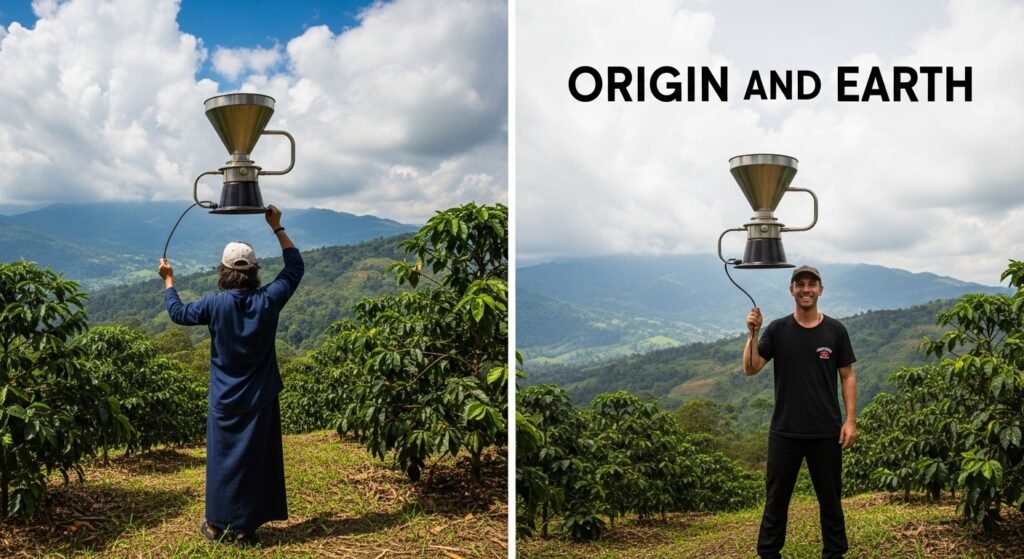
Costa Rica: The Land of Honey and Micro-Mills
Costa Rica’s contribution to the coffee world is defined by its ingenuity. In the early 2000s, the “Micro-Mill Revolution” took place, where small farmers stopped selling their cherries to large industrial cooperatives and instead invested in their own processing equipment. This allowed them to experiment with “Honey Processing”—a method that sits between the Washed and Natural processes.
In Honey processing, the skin of the cherry is removed, but some of the sticky fruit mucilage is left on the bean during drying. Depending on how much mucilage remains, you get “White,” “Yellow,” “Red,” or “Black” honey. This technique gives Costa Rican coffee a unique sweetness and a creamy body and mouthfeel that is hard to find elsewhere. When you identify flavor notes in a Costa Rican Honey coffee, you will often find hints of brown sugar, melon, and stone fruits. This balance of clarity and sweetness makes it a favorite on the barista’s bench, especially for those who appreciate a clean yet syrupy cup.
Panama: The Geisha Phenomenon
If Costa Rica is about processing, Panama is about genetics. The Chiriquí province, particularly the town of Boquete, is home to the most famous coffee variety in modern history: the Geisha (or Gesha). Originally from Ethiopia, this variety found its true expression in the volcanic soils of the Baru Volcano. Panamanian Geisha is legendary for its tea-like body and an aromatic profile that includes jasmine, bergamot, and lemongrass.
The impact of Panamanian Geisha on the sensory experience cannot be overstated. It is a coffee that challenges our perception of what coffee can be. Because of its extreme quality and rarity, these beans often reach record-breaking prices at international auctions. When brewing a Panamanian Geisha, perhaps using a precisely mastered V60 pour-over, you aren’t just drinking a beverage; you are experiencing the peak of botanical potential. It is a loud, floral, and vibrant coffee that leaves a sparkling aftertaste that can last for hours.

Volcanic Influence and Microclimates
Both Costa Rica and Panama benefit from being part of the “Central American Volcanic Arc.” The soil is incredibly rich in minerals like potassium and phosphorus, which are vital for the development of the organic acids that provide acid vs. bitter balance. These minerals, combined with the water quality of the mountain springs used in the mills, ensure a clean and vibrant profile.
The climate also plays a role. These regions experience a unique phenomenon where the winds from the Atlantic and the Pacific oceans collide over the mountains, creating a constant mist known as bajareque. This mist keeps the coffee trees hydrated and cool, even during the height of the dry season, allowing for the slow maturation of the fruit. This is a critical stage in the journey of a bean from seed to export, where the environmental stress of the mountains is perfectly balanced by the nurturing volcanic soil.
Sustainability and “Pura Vida” in Farming
Costa Rica has also become a leader in environmental sustainability. The country has strict laws regarding the cleaning of water used in coffee equipment and processing. Most mills use “eco-pulpers” that require minimal water, protecting the local rivers and ecosystems. This “Pura Vida” approach to farming ensures that the land remains fertile for future generations.
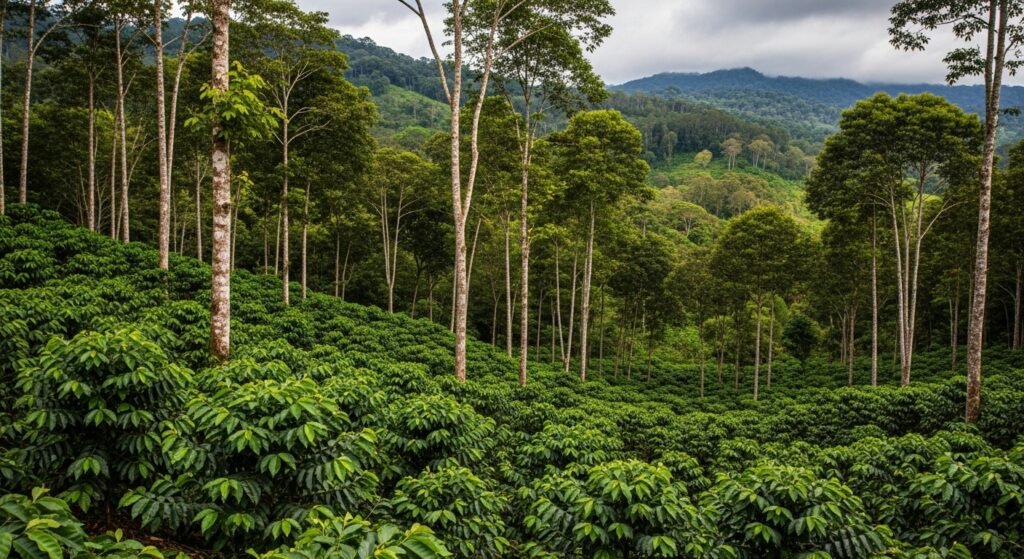
In Panama, many of the top farms are integrated into the natural forest, using shade-grown techniques that preserve biodiversity. This harmony between the farmer and the environment is a core pillar of the “Origin and Earth” category. When a tree grows in a healthy, diverse ecosystem, it produces a more complex and resilient bean. For the consumer, this translates to a higher quality cup that you can feel good about drinking.
Brewing the Treasures: From Espresso to Cold Brew
Because of their high sweetness and balanced acidity, Costa Rican and Panamanian beans are incredibly versatile. A “Black Honey” Costa Rican coffee makes for an exceptional calibrated espresso, where the sugars caramelize into a thick, dark crema. On the other hand, the floral elegance of a Panamanian bean is best appreciated in a manual filter brew or even a slow-steeped cold brew, which can highlight the delicate fruit notes without the interference of high heat.
If you are looking for a unique cocktail base, a Costa Rican coffee’s honey-sweetness pairs beautifully in a modern Carajillo, where it complements the vanilla notes of the liqueur. The flexibility of these beans is why they are a staple in specialty cafes from Tokyo to London; they are reliable, high-performing, and always surprising.
Conclusion: The Peak of the Bridge
Costa Rica and Panama may be small in geographic size, but their impact on the global coffee culture is massive. They have moved coffee away from being a mere commodity and toward being a fine artisanal product, much like a grand cru wine. By focusing on micro-mills, rare varieties like Geisha, and sustainable practices, they have set a benchmark that the rest of the world strives to follow.
The next time you brew a cup from Central America, take a moment to savor the complexity. Think about the volcanic soil of Boquete or the honey-covered beans drying in the Costa Rican sun. These are the treasures of the mountains—the result of a perfect intersection between nature’s gifts and human innovation. Whether you are seeking the ultimate floral aroma or a syrupy, sweet body, you will find it in the heart of the Central American highlands.

Kevin Smith is deeply interested in the craft and culture of coffee, with practical experience exploring specialty beans, brewing techniques, and flavor development. Over the years, he has spent time studying preparation methods, observing extraction processes, and understanding how small details influence the final cup.
Through NovaWeHub, Kevin shares clear, practical, and research-based insights designed to make coffee knowledge approachable for everyone — from beginners to enthusiasts. His focus is on simplifying complex concepts and encouraging readers to explore coffee with curiosity, confidence, and a more refined sensory awareness.