
As the specialty coffee movement continues to evolve, the boundaries between the café and the cocktail bar are becoming increasingly blurred. One of the most successful results of this crossover is the Coffee Tonic. Once a niche creation found only in high-end Scandinavian coffee shops, the “Espresso Tonic” or “Cold Brew Tonic” has become a global phenomenon. It is the ultimate summer beverage: a sophisticated, effervescent, and deeply refreshing drink that highlights the acidic and floral notes of high-quality coffee while providing the crisp bitterness of quinine.
For many, the idea of mixing coffee with carbonated tonic water sounds counterintuitive. However, the chemistry of the two ingredients is a match made in heaven. The acidity of a light-roast coffee cuts through the sweetness of the tonic, while the carbonation helps to carry the delicate aromatics of the bean directly to your olfactory system. Making a coffee tonic at home is surprisingly simple, but like any “laboratory” experiment, the quality of the result depends entirely on the precision of your ingredients and the order in which you combine them.

The Foundation: Choosing the Right Coffee
Not all coffees are suited for a tonic pairing. Because tonic water is naturally sweet and carries its own distinct bitterness from quinine, you want a coffee that can stand up to these flavors without getting lost or becoming overly muddy. In the “drink laboratory,” the golden rule for coffee tonics is to lean toward acidity. Light to medium-light roasts from East Africa—specifically Ethiopia, Kenya, or Rwanda—are the champions of this category. These coffees often carry notes of citrus, jasmine, and stone fruits, which harmonize beautifully with the botanical profile of the tonic.
You have two main choices for the coffee base: Espresso or Cold Brew Concentrate. A fresh shot of espresso provides a dramatic visual “layered” effect and a creamy crema that interacts with the bubbles. On the other hand, a Cold Brew Concentrate offers a smoother, less acidic profile that integrates more seamlessly into the drink. If you are using espresso, it is crucial to let the shot rest for about 30 seconds or “pull” it directly over a cold metal spoon to drop the temperature slightly before it hits the ice, preventing excessive dilution and preserving the crispness of the carbonation.
The Tonic Factor: Beyond the Supermarket Aisle
When making a coffee tonic, the tonic water is not just a mixer; it represents 70% of the drink’s volume. Therefore, using a generic, overly sweet supermarket tonic can ruin the experience. To achieve a professional-grade drink, look for “premium” tonic waters that use natural quinine and have a lower sugar content. These tonics often have more refined carbonation (smaller, tighter bubbles) and subtle botanical hints like lemongrass or Mediterranean herbs that complement the coffee’s complexity.
The temperature of the tonic is another critical variable. Your tonic must be as cold as possible—ideally kept in the back of the refrigerator until the very moment you are ready to pour. Carbon dioxide is more stable in cold liquids; if your tonic is even slightly warm, it will lose its fizz the moment it touches the coffee, leaving you with a flat, lackluster beverage. In our home laboratory, we treat the tonic as the “anchor” of the drink, providing the structure upon which the coffee flavors can dance.

The Science of the Pour: Technique Matters
The visual appeal of a Coffee Tonic is part of its charm. To achieve that beautiful, ombre-layered effect where the dark coffee slowly bleeds into the clear, sparkling water, the order of operations is essential. Start by filling a highball glass or a large wine glass to the brim with large, solid ice cubes. The more ice you use, the slower it will melt, keeping the drink carbonated and intense for longer.
Pour the chilled tonic water over the ice first, filling the glass about three-quarters of the way. Do this slowly to preserve the bubbles. If you want to add a sweetener or a botanical syrup (like elderflower or simple syrup), add it now and give it a very gentle stir. Finally, the “hero” moment: slowly pour your coffee over the top. If you are using espresso, pour it directly onto an ice cube or the back of a bar spoon to break its fall. This prevents the coffee from plunging to the bottom immediately, allowing it to sit on top of the tonic in a stunning dark layer before slowly drifting downward in “tendrils” of flavor.
Garnish and Botanical Enhancements
In the laboratory of drinks, the garnish is the final chemical touch that rounds out the aroma. For a classic Coffee Tonic, a slice of citrus is the standard. A grapefruit wedge is particularly effective as its pithy bitterness matches the quinine, while its bright acidity echoes the coffee. However, you can get creative. A sprig of fresh rosemary adds a woody, aromatic layer that pairs perfectly with earthy Indonesian coffees.
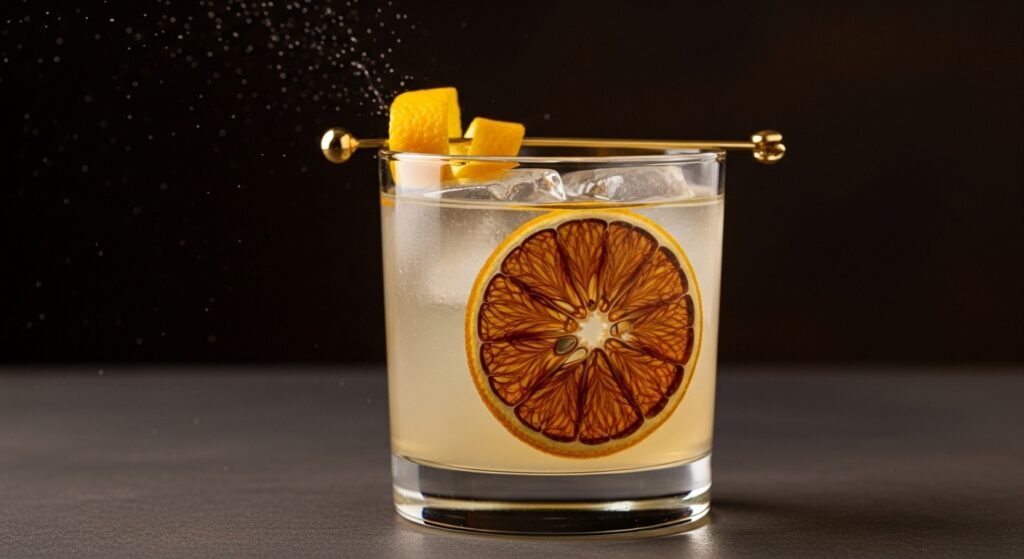
Some mixologists like to “express” a twist of lemon or orange peel over the glass. This means twisting the peel to spray the essential oils over the surface of the drink. These oils are the first thing the drinker smells, setting the stage for the citrusy notes of the coffee. Another pro tip is to add a single dehydrated citrus wheel; it looks beautiful and slowly rehydrates in the drink, releasing a concentrated burst of flavor as you reach the bottom of the glass. The goal is to enhance, not distract from, the primary relationship between the coffee and the tonic.
Conclusion: The Ultimate Summer Ritual
The Coffee Tonic is more than just a trend; it is a testament to the versatility of the coffee bean. It proves that coffee doesn’t always have to be a comforting, warm hug in a mug; it can also be a bright, electric, and sophisticated social drink. By treating the process with the precision of a laboratory—focusing on origin, temperature, and carbonation—you can recreate this café favorite in your own kitchen with stunning results.
As you become more comfortable with the basic recipe, don’t be afraid to experiment. Try different ratios, play with different tonic brands, or even add a splash of gin for a “Turbo Gin & Tonic.” The beauty of the Drink Laboratory is the discovery of new flavor frontiers. The next time the sun is shining and you need a caffeine boost, skip the hot latte and reach for the tonic. It is a refreshing reminder that in the world of specialty coffee, the possibilities are as endless as they are delicious.

Kevin Smith is deeply interested in the craft and culture of coffee, with practical experience exploring specialty beans, brewing techniques, and flavor development. Over the years, he has spent time studying preparation methods, observing extraction processes, and understanding how small details influence the final cup.
Through NovaWeHub, Kevin shares clear, practical, and research-based insights designed to make coffee knowledge approachable for everyone — from beginners to enthusiasts. His focus is on simplifying complex concepts and encouraging readers to explore coffee with curiosity, confidence, and a more refined sensory awareness.