
Africa is the birthplace of coffee, specifically the high plateaus of Ethiopia, where the Coffea Arabica plant was first discovered. While Brazil may lead the world in volume, African nations—particularly Ethiopia and Kenya—are the undisputed leaders in flavor complexity and aromatic intensity. For the specialty coffee lover, an African bean represents the pinnacle of the sensory experience. These are not your typical “coffee-flavored” coffees; they are bright, tea-like, and often explode with the scents of jasmine, bergamot, and tropical fruits.
The magic of these coffees is deeply rooted in their unique geography. As we have explored when discussing what is terroir and how it shapes flavor, the combination of ancient volcanic soils, extreme altitudes, and indigenous heirloom varieties creates a profile that is impossible to replicate anywhere else on Earth. If you are looking to expand your palate, understanding the distinction between an Ethiopian and a Kenyan coffee is an essential step in your journey through the “Origin and Earth” category.
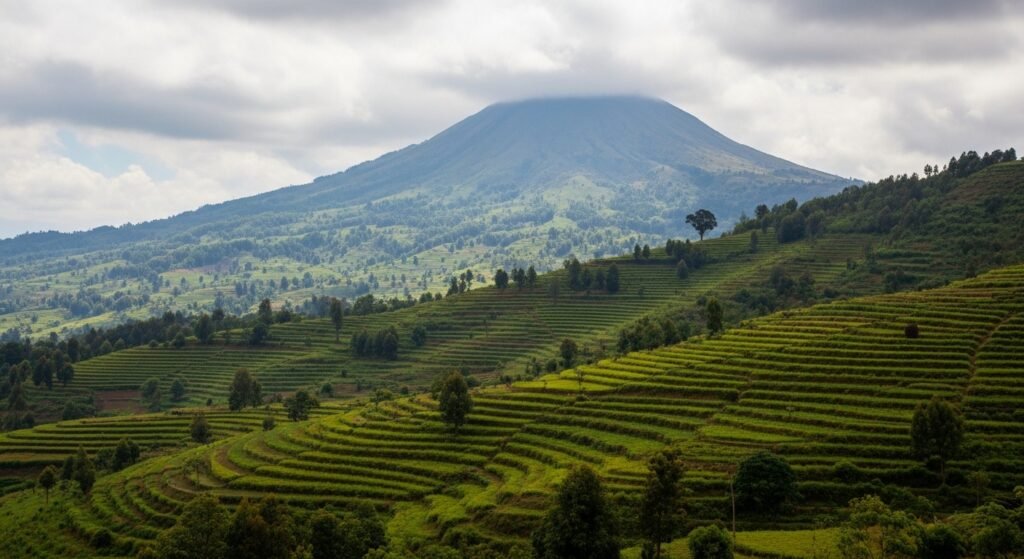
Ethiopia: The Garden of Heirloom Varieties
Ethiopia is unique because coffee grows wild here. While other countries plant specific varieties like Bourbon or Caturra, Ethiopia is home to thousands of “Heirloom” varieties—genetically diverse plants that have adapted to their specific micro-regions over centuries. This genetic diversity is the reason why Ethiopian coffee is so incredibly aromatic. When you identify flavor notes in an Ethiopian cup, you are often met with delicate floral aromas that feel more like a fine perfume than a morning beverage.
The two most famous regions in Ethiopia are Yirgacheffe and Guiding. Yirgacheffe is legendary for its “washed” coffees, which are clean, elegant, and taste of lemon zest and jasmine. It has a light, tea-like consistency, a perfect example of how body and mouthfeel can be delicate yet impactful. Guiding (especially Sidamo), on the other hand, is famous for its “natural” processed coffees. Because the cherries dry in the sun with the fruit intact, these beans develop intense flavors of dried strawberries, blueberries, and even dark chocolate, offering a much heavier and syrupy experience.
Kenya: The Power of Acidity and Precision
If Ethiopia is about elegance and mystery, Kenya is about power and precision. Kenyan coffee is often regarded as the most consistently high-quality coffee in the world, thanks to a highly organized cooperative system and a unique processing method known as “Double Washed.” This intense cleaning process removes every trace of fruit mucilage, leaving behind a bean of extreme purity.
The defining characteristic of Kenyan coffee is its phosphoric acidity. Unlike the soft, citric acid of a lemon, Kenyan acidity is bold and “sparkling,” reminiscent of blackcurrants or juicy tomatoes. Grown on the slopes of Mount Kenya, these beans benefit from some of the most nutrient-rich volcanic soils on the planet. For the barista, brewing a Kenyan coffee is a thrill; the flavors are so distinct that even a beginner can easily spot the notes of grapefruit and spice. It is a loud, confident coffee that demands your attention from the first sip to the lingering aftertaste.

Processing Traditions: The African Bed
One of the visual icons of African coffee production is the “African Raised Bed.” Instead of drying coffee on concrete patios (common in Brazilian coffee regions), farmers in Ethiopia and Kenya use elevated wooden structures covered in mesh. This allows air to circulate above and below the beans, ensuring a perfectly even drying process.
This meticulous attention to detail at the washing station is what preserves the high-quality acids that make African coffee famous. By keeping the beans off the ground, the risk of earthy or fermented “off-flavors” is greatly reduced. This is a primary reason why African coffees often command a premium price on the international market; the labor required to hand-sort and carefully dry these beans is immense, but the result is a cup of unforgettable clarity.
Choosing the Right Brew for Africa
Because African coffees are so prized for their acidity and floral nuances, the way you brew them is critical. To truly appreciate the tea-like clarity of a Yirgacheffe or the blackcurrant punch of a Nyeri (Kenya), manual filter methods are highly recommended. Using a V60 or a Chemex allows you to highlight the “high notes” of the coffee without the interference of heavy oils.
However, if you are adventurous, a “Longberry” Ethiopian Harrar can make a fascinating espresso tonic, where the natural fruitiness of the coffee acts like a botanical syrup when mixed with carbonated water. The versatility of African beans is endless, but they always reward the brewer who pays attention to the details of temperature and ratio.

Conclusion: A Journey to the Source
To drink coffee from Ethiopia or Kenya is to take a trip to the very source of our global coffee culture. These regions represent the raw, untamed potential of the Arabica bean. They remind us that coffee is, at its heart, a fruit—full of life, acidity, and seasonal character.
As you explore these profiles, you will find that your palate becomes more refined and your standards for “quality” begin to shift. You’ll start to look for that specific Ethiopian “sparkle” or the Kenyan “boldness” in every cup you try. African coffee isn’t just a drink; it’s an education in terroir and a celebration of the farmers who continue to produce the most complex seeds on earth. Next time you see a bag labeled “Sidamo” or “Kenya AA,” don’t hesitate—grab it and prepare for a sensory journey back to the birthplace of coffee.

Kevin Smith is deeply interested in the craft and culture of coffee, with practical experience exploring specialty beans, brewing techniques, and flavor development. Over the years, he has spent time studying preparation methods, observing extraction processes, and understanding how small details influence the final cup.
Through NovaWeHub, Kevin shares clear, practical, and research-based insights designed to make coffee knowledge approachable for everyone — from beginners to enthusiasts. His focus is on simplifying complex concepts and encouraging readers to explore coffee with curiosity, confidence, and a more refined sensory awareness.