
If you look closely at a bag of specialty coffee, you will almost always find a number followed by the acronym MASL (Meters Above Sea Level). Whether it is 1,200m, 1,800m, or even above 2,000m, altitude is more than just a geographic statistic; it is a seal of quality. In the world of specialty coffee, the general rule is: the higher the mountain, the better the bean. But have you ever wondered why? It isn’t because the air is cleaner or the view is better—it is due to a fascinating biological reaction to environmental stress.
Understanding the “Secrets of High Altitude” is key to mastering the what is terroir concept. While many factors shape a coffee’s flavor, altitude acts as the primary regulator of the plant’s metabolism. For the enthusiast, knowing how elevation affects the bean helps in predicting the acid vs. bitter balance before even taking a sip. In this exploration of “Origin and Earth,” we will climb to the highest peaks to understand why the struggle for survival in thin air leads to the most delicious cups of coffee in the world.
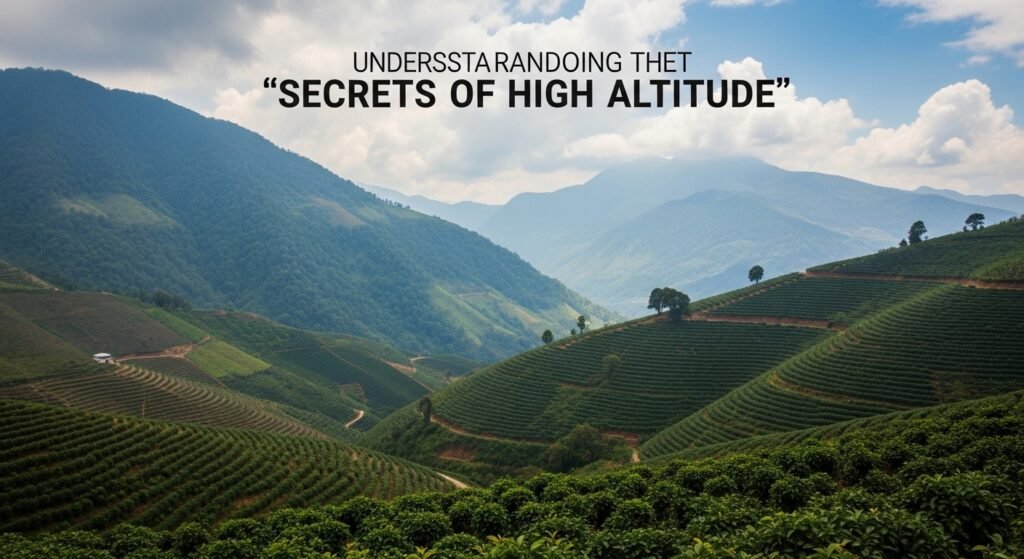
The Metabolism of Cold: Slowing Down Time
The most significant impact of high altitude is temperature. For every 100 meters you climb, the temperature drops significantly. At high elevations, particularly in regions like the African coffee highlands, the days are warm and the nights are freezing. This drastic temperature shift forces the coffee tree to slow down its biological clock.
In the lowlands, coffee cherries ripen quickly in the heat, often reaching maturity in just a few months. On a mountain peak, the same cherry might take nearly a year to ripen. This “extended childhood” of the coffee fruit is where the magic happens. The longer the cherry stays on the branch, the more time it has to convert sunlight into complex organic acids and dense sugars. This slow maturation is the direct cause of the vibrant fruitiness and intense sweetness we crave. When you identify flavor notes like peach, raspberry, or floral honey, you are essentially tasting the result of a long, slow ripening process that only the mountains can provide.
Density: The Strictly Hard Bean (SHB)
The physical result of this slow growth is density. High-altitude beans are much harder and more compact than their lowland counterparts. In the industry, these are known as Strictly Hard Beans (SHB). If you were to cut a high-altitude bean in half and look at it under a microscope, you would see a very tight cell structure, packed with flavor precursors.
This density is a crucial factor on the barista’s bench. A hard bean can withstand the intense heat of a roaster without scorching, allowing for a more even development of flavor. Furthermore, when you are choosing the right grinder, you’ll notice that high-altitude beans shatter more cleanly into uniform particles, whereas soft, low-altitude beans can sometimes crumble and create “fines” that make your coffee taste muddy. The physical integrity of the mountain bean is what enables the clarity of flavor that defines the specialty movement.
Drainage and the Volcanic Connection
Mountains are not just about height; they are about slope. Coffee trees hate having “wet feet.” If water sits around the roots for too long, the plant becomes stressed in a negative way, leading to rot or muted flavors. Mountain slopes provide natural drainage, ensuring that only the necessary amount of moisture reaches the roots.
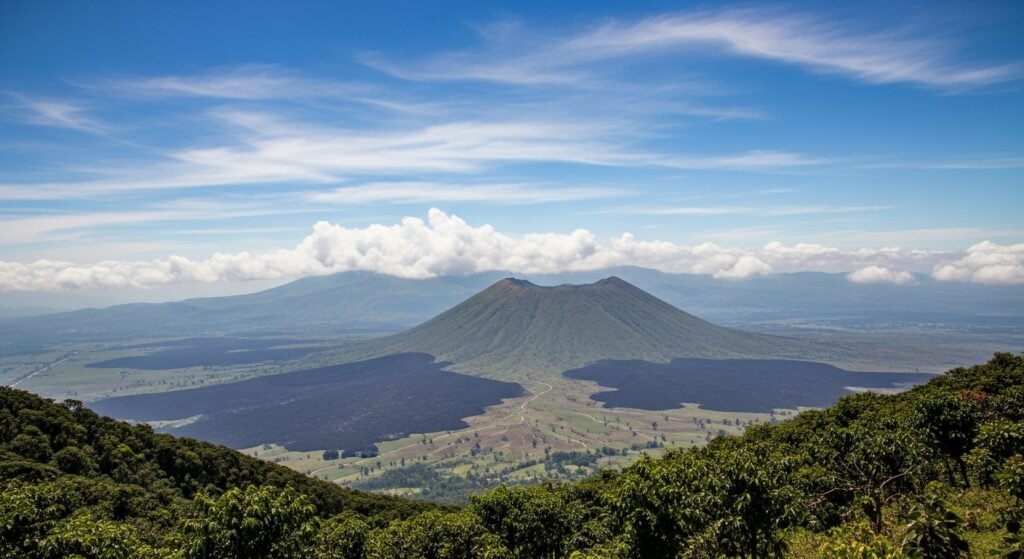
Additionally, many of the world’s highest coffee regions are situated on volcanic belts. The soil is rich in minerals like potassium and phosphorus, which are the building blocks of the bean’s body and mouthfeel. While some Brazilian coffee regions achieve great heights and produce stunning results, it is the combination of volcanic soil and extreme altitude in places like Colombia, Panama, and Ethiopia that creates the most sought-after “competition-level” lots.
The Struggle Against Pests: A Natural Defense
Another secret benefit of high altitude is the lack of pests. The Hypothenemus hampei (Coffee Berry Borer) and Hemileia vastatrix (Coffee Leaf Rust) thrive in warm, humid conditions. As you climb higher, the cold becomes a natural barrier against these threats. This allows the trees to grow more healthily and often reduces the need for chemical interventions.
A healthy, stress-free tree (aside from the “good” stress of the cold) can focus all its energy on the development of the seed. This is part of the long journey of a bean that most consumers never see. The farmer’s ability to manage these high-elevation environments is a feat of agricultural engineering, often involving manual labor on slopes so steep that machines cannot go.
Conclusion: Reaching for the Peak
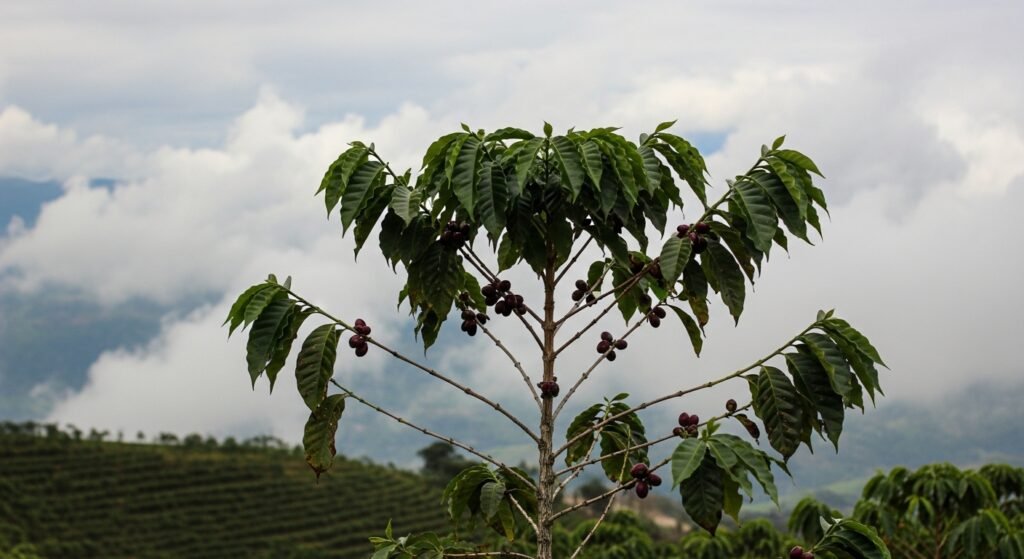
The next time you enjoy a cup of coffee with a high MASL rating, take a moment to appreciate the environmental struggle that created it. Those beans survived cold nights, thin air, and a slow, agonizing ripening process just to bring that “sparkling” acidity to your palate. High altitude is nature’s way of concentrating quality.
By choosing mountain-grown coffee, you are supporting the farmers who brave difficult terrains to preserve the most complex flavors our planet can produce. Whether it’s a tea-like Ethiopian or a syrupy Colombian, the altitude is the silent orchestrator of the experience. The mountains don’t just grow coffee; they refine it. So, look for those numbers on the bag, and prepare to taste the peaks of the world.

Kevin Smith is deeply interested in the craft and culture of coffee, with practical experience exploring specialty beans, brewing techniques, and flavor development. Over the years, he has spent time studying preparation methods, observing extraction processes, and understanding how small details influence the final cup.
Through NovaWeHub, Kevin shares clear, practical, and research-based insights designed to make coffee knowledge approachable for everyone — from beginners to enthusiasts. His focus is on simplifying complex concepts and encouraging readers to explore coffee with curiosity, confidence, and a more refined sensory awareness.