
Espresso preparation often emphasizes precision, with baristas carefully measuring weight, extraction time, and TDS to achieve a consistent flavor. Traditionally, this approach treats taste as a fixed property of the liquid itself.
Recent findings in cognitive science, however, show that flavor perception is far more complex. Human taste is “cross-modal,” influenced by sight, sound, touch, and even smell during consumption. This interplay, sometimes referred to as the “synesthesia of taste,” means that the environment, presentation, and context can be just as important to the drinking experience as the quality of the beans or water.
If you drink a high-quality Ethiopian coffee in a white ceramic mug while listening to high-pitched jazz, it will taste significantly more acidic than if you drank the same coffee from a dark, heavy cup in a room with low-frequency ambient sounds. Understanding these cognitive shortcuts allows the barista to design a complete sensory experience that goes beyond the liquid in the cup.
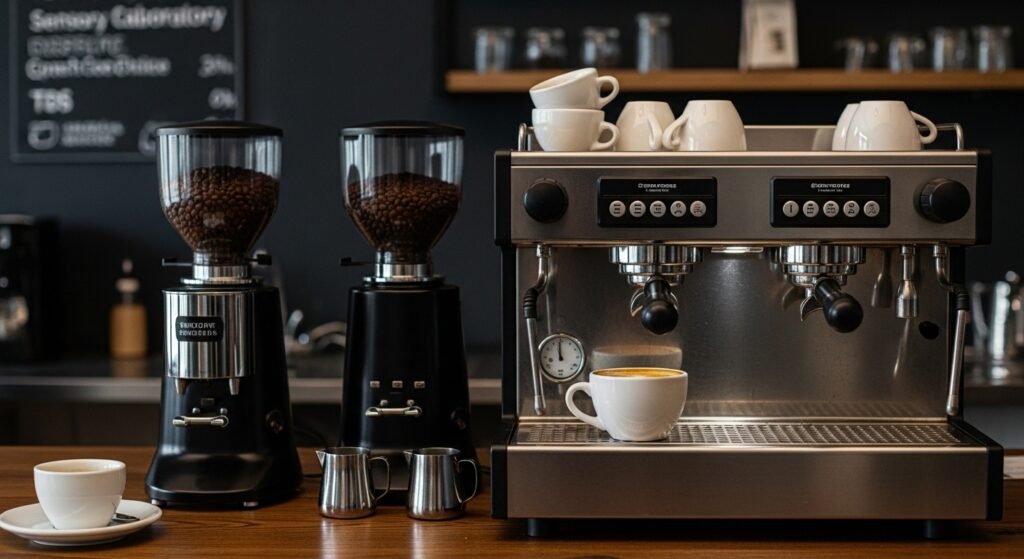
The Psychology of Color: Why the Cup Matters
The most immediate visual cue in coffee consumption is the vessel. In our laboratory trials, we have observed that the color of a coffee cup acts as a “priming” mechanism for the brain.
-
White Cups and Bitterness: Research shows that white mugs tend to enhance the perceived intensity and bitterness of coffee. The reason is contrast. The deep brown of the coffee stands out sharply against the white background, signaling to the brain that the liquid is “concentrated” and “strong.”
-
Blue and Pink Cups and Sweetness: Blue cups are often associated with saltiness in other foods, but in coffee, they have been found to reduce the perception of bitterness. Pink or orange vessels, conversely, trick the brain into looking for “Fruity” or “Sweet” flavor notes.
-
The “Clear” Paradox: Transparent glass mugs allow the drinker to see the mouthfeel and the clarity of the coffee. For a light-roasted specialty coffee, this visual clarity can actually enhance the perceived “cleanliness” of the aftertaste.
Sonic Seasoning: The Sound of Acidity
One of the most surprising findings in the “Sensory Laboratory” is the impact of sound. This is known as “Sonic Seasoning.” Our brains have inherent associations between pitch and taste.
-
High-Pitch and High Acidity: High-frequency sounds, like those from a flute or high-pitched piano notes, are cognitively linked to acidity and sourness. If you want to highlight the sparkling citric notes of a high-altitude Kenyan coffee, playing music with high frequencies can actually amplify that sensation on the tongue.
-
Low-Pitch and Bitterness: Deep, bass-heavy sounds are associated with bitterness and “darker” flavors like cocoa and smoke.
-
The Crunch Factor: Even the sound of a coffee bean cracking during the grinding process or the sound of the steam wand can set an expectation. A “smooth” steaming sound suggests a creamy texture before the first sip is even taken.
Tactile Influence: Weight and Texture
The “Sense of Touch” is often the forgotten variable on the barista’s bench. The weight of the spoon or the texture of the cup’s rim can fundamentally change the perceived mouthfeel of the coffee.
In the lab, we have found that a heavier cup makes the coffee feel “more expensive” and “higher quality.” If the cup has a rough, matte texture, the brain may perceive the coffee as being more “earthy” or “astringent.” Conversely, a smooth, polished ceramic rim enhances the perception of a silky, buttery body. This is why maintenance and cleanliness of the equipment is not just about hygiene—it’s about removing tactile distractions that could ruin the sensory harmony.
The Olfactory-Visual Bridge: Expectations of Aroma
Our sense of smell is the only sense that travels directly to the brain’s emotional center (the limbic system). However, what we see can override what we smell.
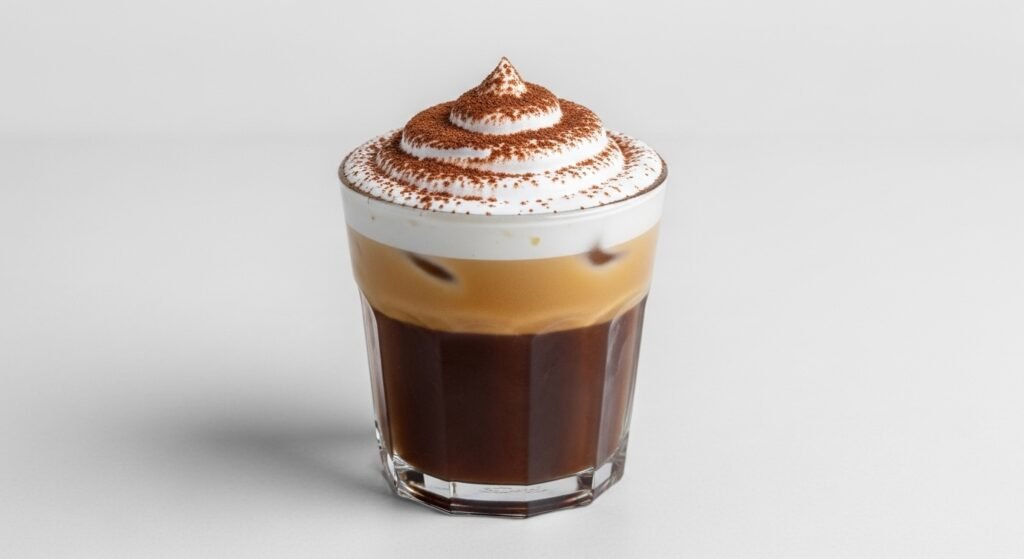
If a coffee is served in a way that looks like a dessert—thick foam, dusted with cocoa—the brain prepares for a sugar rush. Even if the coffee is a very bright, acidic Central American roast, the drinker may struggle to find the acidity because the visual cues are shouting “Sweetness.” In the “Sensory Laboratory,” we use this to our advantage by “matching” the visual presentation to the chemical reality of the bean.
Applying Synesthesia: A Laboratory Guide for Baristas
To design a truly synesthetic home cupping or cafe experience, follow these cognitive protocols:
-
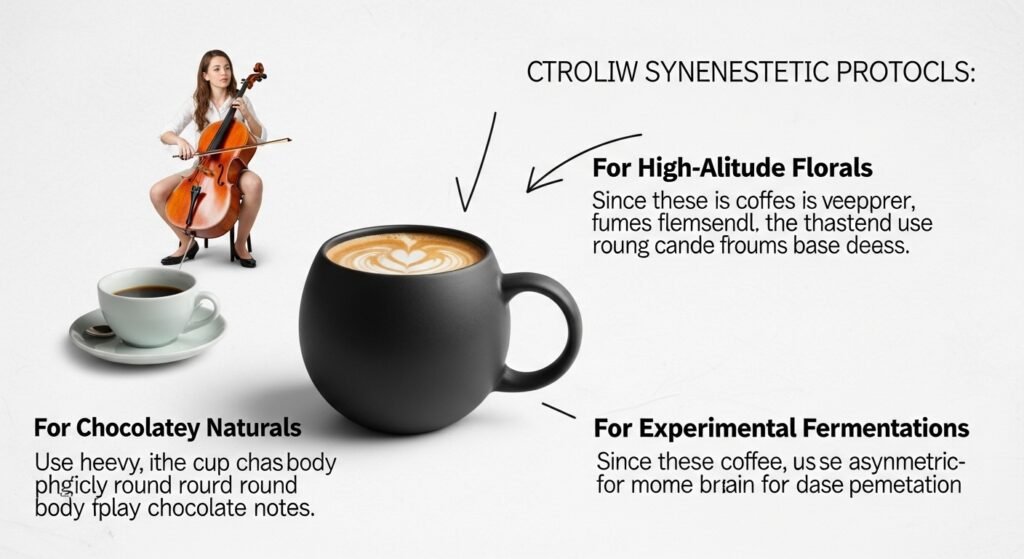
For High-Altitude Florals: Use thin-walled, light-colored cups. Play acoustic music with high-frequency strings. The lightness of the vessel and the sound will elevate the floral aromas.
-
For Chocolatey Naturals: Use heavy, rounded, dark-colored mugs. The “roundness” of the cup physically mirrors the roundness of the body. Play jazz or soul with deep bass lines to anchor the chocolate notes.
-
For Experimental Fermentations: Since these coffees are often “funky” and “unexpected,” use asymmetrical or unconventional vessels to prepare the brain for a non-traditional flavor profile.
Conclusion: The Brain as the Final Filter
The “Sensory Laboratory” reminds us that we do not taste with our tongues; we taste with our minds. While the science of grinding and water chemistry are the foundations of a great cup, the synesthetic environment is the finishing touch.
By understanding how sound, color, and touch interact, we can become “Architects of Flavor.” We can compensate for a coffee’s natural bitterness or highlight its hidden sweetness simply by changing the environment. As you refine your barista skills, remember to pay attention to the “invisible ingredients.” The perfect cup of coffee is not just a liquid—it is a symphony of senses working in harmony. Respect the terroir, master the ratio, but never underestimate the power of a blue cup and a high-pitched song.

Kevin Smith is deeply interested in the craft and culture of coffee, with practical experience exploring specialty beans, brewing techniques, and flavor development. Over the years, he has spent time studying preparation methods, observing extraction processes, and understanding how small details influence the final cup.
Through NovaWeHub, Kevin shares clear, practical, and research-based insights designed to make coffee knowledge approachable for everyone — from beginners to enthusiasts. His focus is on simplifying complex concepts and encouraging readers to explore coffee with curiosity, confidence, and a more refined sensory awareness.