
The White Russian is often met with skepticism, largely due to its association with low-quality coffee liqueurs and overly heavy dairy. Yet when prepared thoughtfully, it reveals a remarkable culinary complexity.
At its core, the drink is a careful interplay of ethanol, coffee compounds, and dairy fats. This interaction creates a rich and balanced system of emulsions, where flavor, texture, and mouthfeel come together harmoniously. When executed with precision, the White Russian transforms from a simple cocktail into a sophisticated experience, highlighting both the body and subtleties of its ingredients.
Reimagining the White Russian requires us to move beyond the “Dude’s” simple pour. We must analyze the acid vs. bitter balance of the coffee component and the molecular stability of the cream. By applying the science of cold extraction, we can transform this drink from a dessert-heavy cocktail into a balanced, aromatic masterpiece.

The Coffee Component: Beyond the Liqueur
The traditional White Russian relies on a coffee liqueur, which is typically 50% sugar. In the “Sensory Laboratory,” this creates a problem: the sugar masks the delicate aromas of the coffee. To fix this, we introduce the Specialty Split:
-
The Base: A high-quality, artisanal coffee liqueur (or a homemade syrup using high-altitude beans).
-
The Intensifier: A 30ml shot of “Flash-Chilled” AeroPress coffee.
By adding a concentrated, non-sweetened coffee element, we introduce the organic acids and complex volatiles that a liqueur lacks. For this drink, we recommend a Brazilian Sul de Minas for its natural chocolate and hazelnut notes, which harmonize perfectly with dairy.
The Physics of the “Float”: Density and Viscosity
The most striking visual element of a White Russian is the “layering” or “marbling.” This is a lesson in Specific Gravity.
-
The Alcohol/Coffee Layer: By mixing the vodka and coffee liqueur first, you create a base with a high sugar concentration (high density).
-
The Cream Layer: Fresh heavy cream has a lower density than the sugar-heavy coffee base.
To achieve the perfect “float,” the cream should be lightly aerated. This isn’t about making whipped cream; it’s about “shaking the cream” for 5 seconds in a jar to introduce just enough micro-bubbles to lower its density further. When poured over the back of a spoon, the cream will sit perfectly on top, creating a beautiful “black and white” contrast. As the drink sits, the cream slowly “bleeds” into the coffee, a process of diffusion that changes the sensory experience with every sip.
The Dairy Science: Fat Content and Cold Stability
In our “Sensory Laboratory,” we know that fat is a flavor carrier. The 36% fat content of heavy cream acts as a “bitter-blocker.” It binds to the chlorogenic acids in the coffee, smoothing out the aftertaste.
However, temperature is critical. If the coffee or the vodka is too warm, the cream will “break” or curdle. To prevent this, every component must be pre-chilled. This is where Cold Brew becomes the hero of the reimagined White Russian. Because Cold Brew is never heated, it lacks the “cooked” acids that can cause dairy to destabilize, ensuring a silky, consistent emulsion from start to finish.
The Spirit: Vodka vs. The “Infused” Alternative
While Vodka is the standard, it provides no flavor, only “burn.” In the drink laboratory, we experiment with Coffee-Infused Vodka.
-
The Method: Macerating 50g of coarsely ground African coffee in 500ml of vodka for 2 hours.
-
The Chemistry: The ethanol acts as a highly efficient solvent, pulling out the aromatic esters while leaving the heavy, woody tannins behind.
Using an infused vodka allows you to reduce the amount of sugary liqueur needed, resulting in a “Drier” White Russian that highlights the terroir of the bean rather than the sweetness of the syrup.
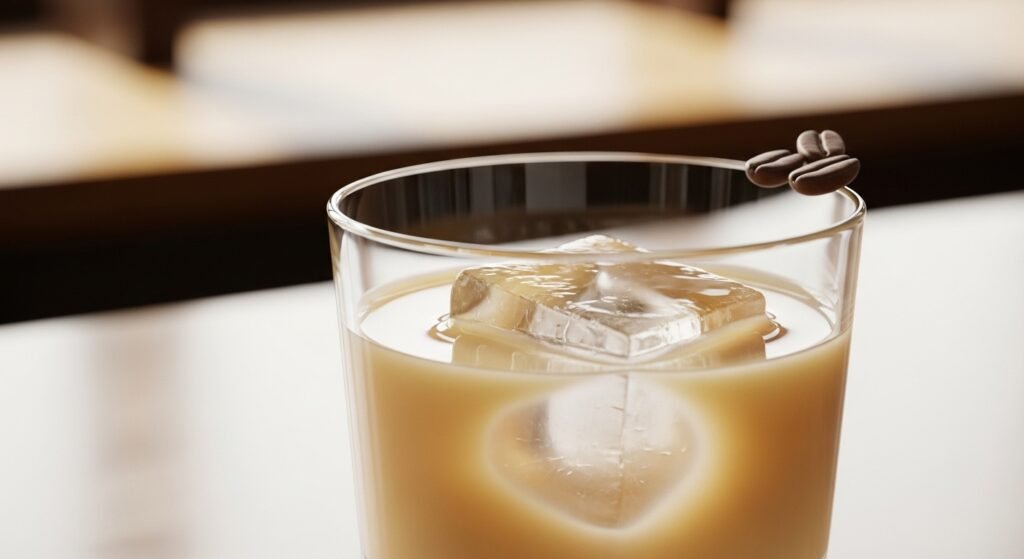
Sensory Analysis: Texture and Temperature
The reimagined White Russian should be analyzed in three phases:
-
Phase 1 (The Topper): The first sip is pure cream and cold alcohol. It should feel cold and luxurious.
-
Phase 2 (The Integration): As the cream mixes with the coffee, the aroma wheel shifts toward “Milk Chocolate,” “Toasted Nut,” and “Caramel.“
-
Phase 3 (The Finish): The aftertaste should be clean. If the drink is too sweet, the palate will feel “sticky.” If the water quality of the ice was poor, a metallic note may emerge as the ice melts.
The Vegan Evolution: Plant-Based Lipids
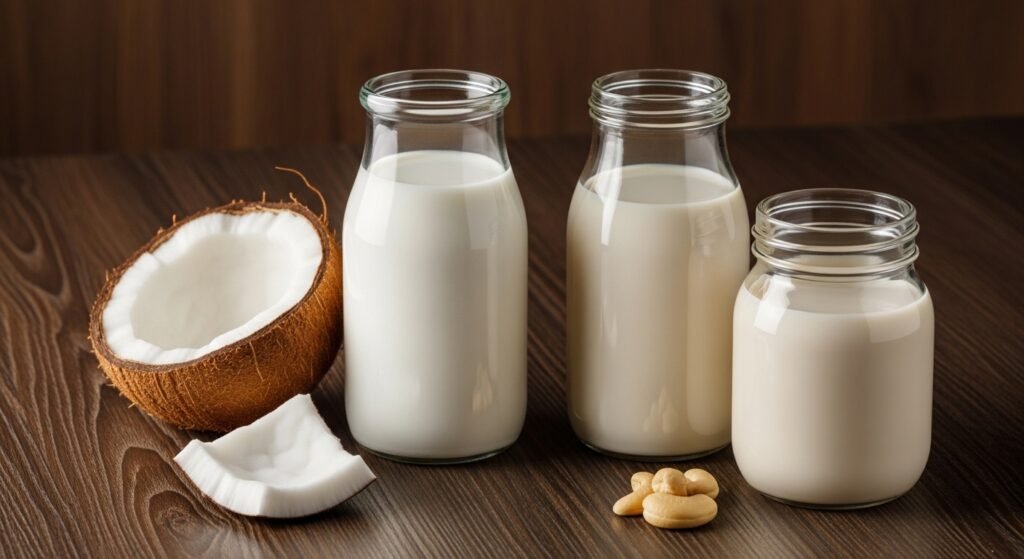
No modern “Sensory Laboratory” is complete without exploring plant-based alternatives. To replicate the heavy mouthfeel of cream, we look to Coconut Cream or Cashew Milk.
-
Coconut Cream: Offers high fat content but introduces a strong tropical flavor. This works exceptionally well with Indonesian coffees.
-
Cashew Milk: When homemade, it has a high protein-to-water ratio that mimics the “weight” of dairy without the “nutty” distraction of almond milk.
Conclusion: Complexity in a Rocks Glass
The White Russian doesn’t have to be a “guilty pleasure.” By treating the cream as a structural element and the coffee as a technical extract, we can elevate this classic to the level of a fine espresso drink. It is a masterclass in how maintenance of temperature and an understanding of density can change our perception of a familiar flavor.
As we conclude Cycle 18, we remember that the “Sensory Laboratory” is about curiosity. Whether we are steaming milk for a latte or layering cream for a cocktail, the physics remain the same. Respect the ingredients, measure your densities, and always prioritize the spirit of the bean. The “Dude” might have made it famous, but the barista makes it art.

Kevin Smith is deeply interested in the craft and culture of coffee, with practical experience exploring specialty beans, brewing techniques, and flavor development. Over the years, he has spent time studying preparation methods, observing extraction processes, and understanding how small details influence the final cup.
Through NovaWeHub, Kevin shares clear, practical, and research-based insights designed to make coffee knowledge approachable for everyone — from beginners to enthusiasts. His focus is on simplifying complex concepts and encouraging readers to explore coffee with curiosity, confidence, and a more refined sensory awareness.